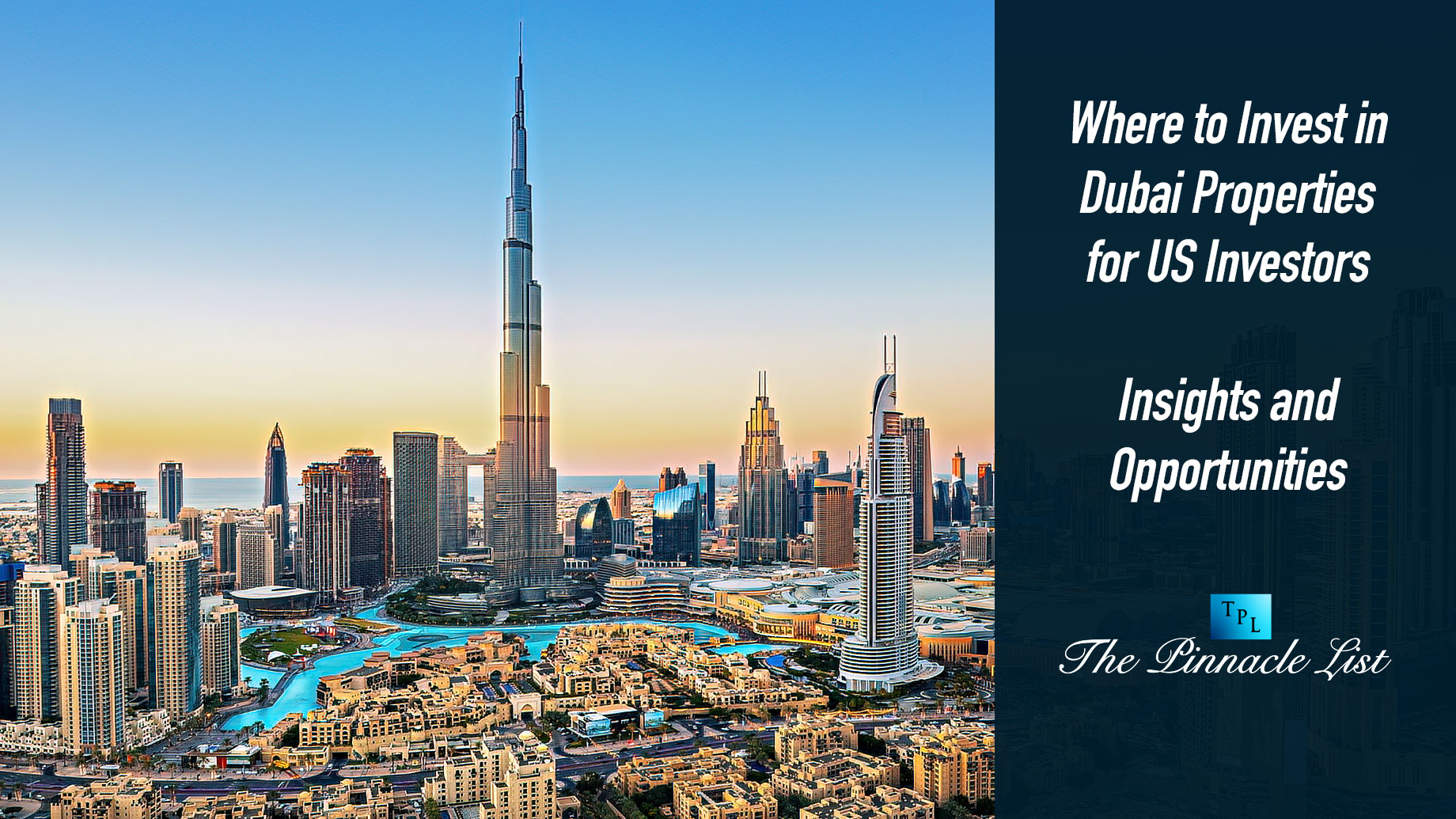
Dubai Property Investment Opportunities: A Comprehensive Guide for Astute Investors
Dubai, a city that perpetually defies expectations, has transformed from a desert outpost into a global metropolis, a beacon of innovation, luxury, and economic dynamism. At the heart of its remarkable growth lies a robust and ever-evolving real estate market, presenting an array of enticing opportunities for astute investors worldwide. Far from being just a playground for the ultra-rich, Dubai’s property landscape offers diverse entry points, attractive returns, and a secure environment for capital growth.
This comprehensive guide delves into the multifaceted aspects of Dubai’s property investment scene, exploring the underlying strengths that drive its appeal, the various types of opportunities available, key investment zones, regulatory frameworks, and essential considerations for prospective investors.
The Irresistible Allure of Dubai: Why Invest Here?
Understanding the macro-economic and socio-political factors underpinning Dubai’s success is crucial to appreciating its real estate potential. These foundational strengths create a fertile ground for property appreciation and robust rental yields.
-
Economic Stability and Diversification:
Dubai’s economy has successfully diversified away from oil, becoming a global hub for trade, finance, tourism, logistics, and technology. The government’s strategic vision, exemplified by initiatives like the Dubai Industrial Strategy 2030 and the Dubai Future Foundation, fosters continuous economic growth. This diversification creates sustained demand across various property segments, from residential units for a growing expat workforce to commercial spaces for burgeoning businesses. The UAE’s stable currency, pegged to the US Dollar, also provides a layer of predictability for international investors. -
Strategic Global Location:
Situated at the crossroads of Europe, Asia, and Africa, Dubai serves as a crucial bridge for international trade and travel. Its world-class airport, Jebel Ali Port, and extensive logistics infrastructure make it an unparalleled logistical hub. This strategic positioning attracts multinational corporations, international talent, and a constant flow of tourists, all of whom contribute to the demand for real estate. -
Pro-Business and Investor-Friendly Policies:
The UAE government has consistently implemented policies designed to attract foreign investment and foster a business-friendly environment. These include:- 100% Foreign Ownership: Foreigners can own 100% of businesses in most sectors.
- Zero Income Tax and Corporate Tax (for most activities): This translates to higher net returns for investors and higher disposable income for residents, fueling the rental market.
- Ease of Doing Business: Streamlined processes for company formation and property transactions.
- Golden Visa Program: Significant property investments can qualify investors for long-term residency visas, offering greater security and stability.
-
Population Growth and Expat Magnet:
Dubai’s population is continuously growing, driven by a steady influx of skilled professionals and entrepreneurs seeking career opportunities and a high quality of life. Expats constitute over 85% of the population, creating a robust rental market and a diverse pool of potential tenants. The city’s cosmopolitan lifestyle, safety, and world-class amenities are powerful draws. -
Tourism and Hospitality Hub:
As one of the world’s most visited cities, Dubai’s tourism sector is a cornerstone of its economy. Iconic attractions, luxury hotels, and year-round events ensure a constant demand for short-term rental properties, particularly in prime tourist areas. This also fuels investment in hotel apartments and serviced residences, offering attractive yields to investors. -
World-Class Infrastructure and Quality of Life:
Dubai boasts state-of-the-art infrastructure, including an efficient public transportation system (metro, tram), modern road networks, advanced healthcare facilities, and top-tier educational institutions. Coupled with its reputation for safety, cleanliness, and diverse entertainment options, Dubai offers an unparalleled quality of life, making it an attractive place to live, work, and invest.
The Dubai Real Estate Market: A Snapshot
Dubai’s property market has demonstrated remarkable resilience and growth, particularly in the post-pandemic era. Several factors contribute to its attractiveness for real estate investors:
- High Rental Yields: Compared to many global cities, Dubai consistently offers competitive rental yields, often ranging from 5% to 8% or even higher in specific segments and locations. This provides a strong passive income stream for buy-to-let investors.
- Capital Appreciation Potential: While market cycles exist, Dubai’s long-term growth trajectory, driven by government initiatives and population influx, suggests significant potential for capital appreciation, especially in well-planned communities and upcoming growth corridors.
- No Annual Property Tax: This is a major differentiator. Investors only pay a one-time DLD (Dubai Land Department) registration fee (4% of the property value) at the time of purchase, significantly reducing ongoing ownership costs compared to cities with recurring property taxes.
- Freehold Ownership: Foreigners can enjoy full freehold ownership of properties in designated areas, providing complete control and security over their investment.
- Transparent and Regulated Market: The Dubai Land Department (DLD) and its regulatory arm, the Real Estate Regulatory Agency (RERA), have implemented robust laws and regulations to ensure transparency, protect investor rights, and maintain market stability.
Diverse Investment Opportunities
Dubai’s property market caters to a wide spectrum of investors, from those seeking affordable entry points to those targeting ultra-luxury segments.
1. Residential Properties:
- Apartments: The most common type of investment, offering a range from compact studios to sprawling penthouses.
- Luxury Apartments: Found in areas like Downtown Dubai, Dubai Marina, Palm Jumeirah, and Business Bay, these cater to high-net-worth individuals and offer premium rental income, often suitable for short-term rentals.
- Mid-Range/Affordable Apartments: Located in communities like Jumeirah Village Circle (JVC), Dubai Sports City, Arjan, and Discovery Gardens, these provide higher rental yields due to lower entry prices and strong demand from working professionals and families.
- Villas and Townhouses: Ideal for families, these properties are typically found in master-planned communities offering amenities like parks, schools, and retail.
- Premium Villas: Areas like Emirates Hills, Palm Jumeirah, Dubai Hills Estate, and Arabian Ranches offer spacious homes, often with private pools and gardens, commanding high capital appreciation and rental values.
- Family-Friendly Townhouses: Communities such as Damac Hills, The Springs, Reem, and Mirdif provide more accessible entry points for families seeking a community lifestyle.
- Off-Plan Properties: Purchasing properties directly from developers before or during construction.
- Pros: Often available at attractive prices with flexible payment plans (e.g., 60/40, 50/50, or even post-handover plans), potential for significant capital appreciation upon completion, and the ability to customize interiors.
- Cons: Risk of delays, market fluctuations during construction, and reliance on the developer’s reputation. Thorough due diligence on the developer and project is crucial.
- Ready Properties: Purchasing completed units, either new or resale.
- Pros: Immediate rental income, no construction risk, ability to inspect the actual unit, and clearer understanding of the immediate market value.
- Cons: Higher upfront payment, potentially less room for capital appreciation compared to a well-timed off-plan purchase.
- Short-Term vs. Long-Term Rentals:
- Short-Term (Holiday Homes): Managed through platforms like Airbnb or specialized operators, these can yield higher income, especially in tourist hotspots, but involve more operational costs and management effort.
- Long-Term: Provides stable, predictable income with less management hassle, ideal for investors seeking passive income.
2. Commercial Properties:
- Office Spaces: Demand is high in Free Zones (e.g., DIFC, DMCC) and business districts (e.g., Business Bay, Downtown Dubai) due to the influx of international companies.
- Retail Units: Opportunities exist in large shopping malls, community retail centers, and high-street locations, driven by Dubai’s strong consumer spending and tourism.
- Warehouses and Industrial Units: The growing logistics and e-commerce sectors create demand for storage and distribution facilities, particularly in areas like Dubai Industrial City and Jebel Ali.
3. Niche Opportunities:
- Hotel Apartments/Serviced Residences: These offer a hybrid model, combining residential living with hotel amenities and services, often managed by international hospitality brands, providing attractive returns from tourism revenue.
- Branded Residences: High-end properties associated with luxury brands (e.g., Address, Bulgari, Fendi), offering exclusive amenities and services, appealing to ultra-high-net-worth individuals seeking prestige and premium living.
Key Investment Zones to Consider
Dubai’s vast landscape offers numerous distinct communities, each with its unique charm and investment profile.
- Downtown Dubai: The iconic heart of the city, home to Burj Khalifa, Dubai Mall, and Dubai Opera. Offers ultra-luxury apartments with premium rental yields and strong capital appreciation potential, especially for short-term rentals.
- Dubai Marina: A vibrant waterfront community known for its stunning skyscrapers, promenades, and diverse dining options. Popular with expats, offering strong rental demand for apartments.
- Palm Jumeirah: The world-famous man-made island, synonymous with luxury. Features opulent villas, high-end apartments, and hotels, catering to the elite market.
- Business Bay: Positioned as Dubai’s business district, it’s a mix of commercial and residential towers. Offers competitive prices for apartments compared to Downtown, with good rental yields and strong growth potential.
- Jumeirah Village Circle (JVC): A rapidly developing, family-friendly community offering a mix of apartments, townhouses, and villas at more affordable price points, known for high rental yields.
- Dubai Hills Estate: A master-planned community by Emaar, offering luxury villas and townhouses surrounding an 18-hole championship golf course. High demand for premium family living.
- Arabian Ranches: Another well-established, family-oriented villa community known for its spacious homes, lush greenery, and excellent amenities.
- Meydan / Mohammed Bin Rashid (MBR) City: An ambitious project featuring luxury villas, apartments, and upcoming attractions. Represents significant future growth potential.
- Jumeirah Lakes Towers (JLT): Adjacent to Dubai Marina, offering a more affordable alternative with a similar vibrant lifestyle and excellent connectivity.
- Dubai Silicon Oasis (DSO): A technology-focused free zone with a mix of residential and commercial properties, attractive to professionals working in the tech sector.
Understanding the Investment Process and Regulations
Investing in Dubai property is a relatively straightforward process, facilitated by clear regulations:
- Dubai Land Department (DLD): The primary governmental body responsible for all property transactions, registration, and regulation. It ensures transparency and protects the rights of all parties.
- Real Estate Regulatory Agency (RERA): An arm of the DLD, RERA is responsible for licensing real estate brokers, developers, and property management companies, as well as resolving disputes.
- Legal Framework: Dubai operates under a robust legal framework that supports foreign property ownership, especially in freehold areas.
- Golden Visa: The UAE’s Golden Visa program offers long-term residency (5 or 10 years) to investors who purchase property valued at AED 750,000 (approx. USD 204,000) or more. This is a significant incentive, providing stability and convenience.
- Transaction Costs:
- DLD Registration Fee: 4% of the property value, paid by the buyer.
- Agency Fees: Typically 2% (+ VAT) for brokers, paid by the buyer.
- NOC (No Objection Certificate) Fee: Paid to the developer, usually a few thousand AED.
- Service Charges: Annual fees paid to the master developer/community management for maintenance of common areas, amenities, and infrastructure.
- Financing Options: Both local and international banks offer mortgages to non-residents, typically requiring a down payment of 25-50% depending on the property value and the buyer’s financial profile.
Risks and Considerations
While Dubai offers compelling opportunities, investors should be aware of potential risks:
- Market Fluctuations: Like any real estate market, Dubai is subject to cycles of growth and correction. While the long-term outlook is positive, short-term volatility can occur.
- Over-supply: In certain segments or areas, new project launches can sometimes lead to temporary over-supply, impacting rental yields or capital appreciation. Careful market research is essential.
- Liquidity: While prime properties in high-demand areas can sell quickly, some properties might take longer to offload, especially in a buyer’s market.
- Developer Reputation: It’s crucial to invest with reputable and financially stable developers, particularly for off-plan properties, to mitigate risks of delays or quality issues.
- Economic Downturns: Global or regional economic shifts can impact investor confidence and market performance.
Tips for Astute Investors
To maximize your chances of success in Dubai’s property market:
- Define Your Investment Goals: Are you seeking capital appreciation, rental income, or a combination? Your goals will dictate your property type and location.
- Conduct Thorough Research: Understand market trends, rental yields in specific areas, upcoming developments, and government plans.
- Work with Reputable Professionals: Engage experienced and RERA-certified real estate agents, lawyers, and financial advisors who understand the local market and regulations.
- Visit and Inspect: If possible, visit the property and the surrounding community to get a feel for the area, amenities, and connectivity.
- Understand All Costs: Factor in not just the purchase price but also DLD fees, agency fees, service charges, maintenance, and potential mortgage costs.
- Consider Long-Term Potential: While short-term gains are possible, Dubai’s property market generally rewards long-term vision.
- Diversify Your Portfolio: Consider spreading your investment across different property types or locations to mitigate risk.
Conclusion
Dubai’s property market stands as a testament to the city’s visionary leadership and unwavering commitment to growth. With its stable economy, strategic location, investor-friendly policies, and world-class infrastructure, it offers a compelling proposition for real estate investors seeking both robust rental income and significant capital appreciation. While due diligence and careful planning are paramount, the opportunities in Dubai’s dynamic property landscape are abundant, positioning it as a top-tier destination for global real estate investment in the 21st century. For those ready to explore its potential, Dubai promises not just a property, but a stake in one of the world’s most exciting urban narratives.