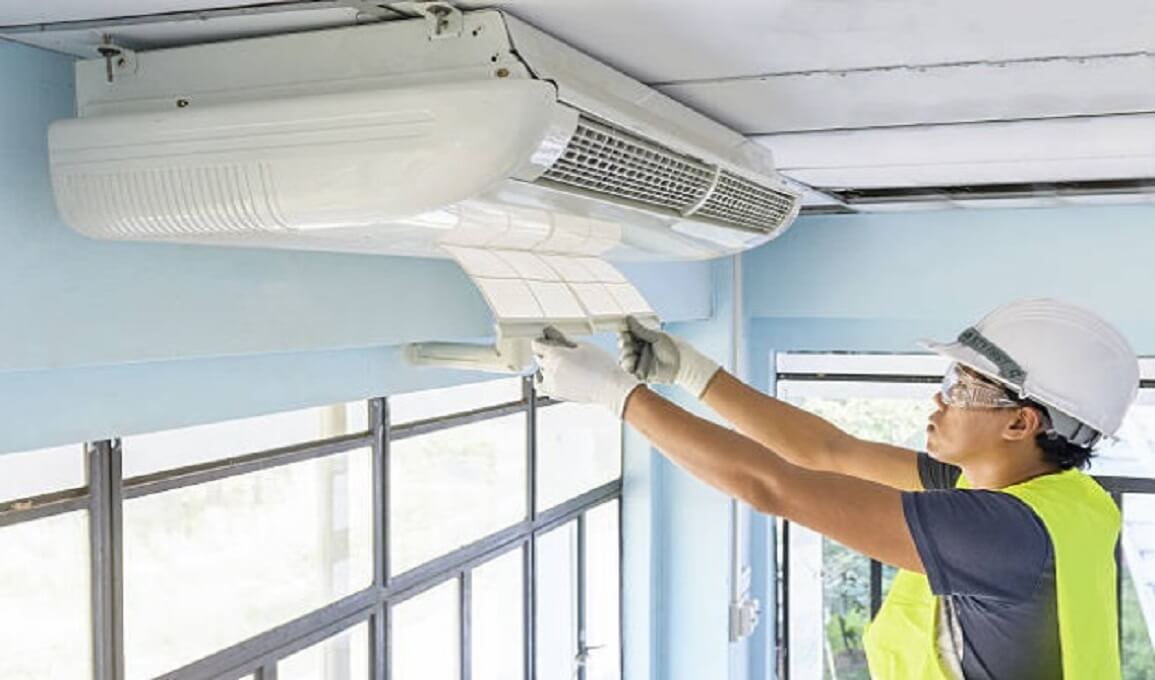
The Indispensable Comfort: A Comprehensive Guide to Air Conditioning Installation in Singapore
Singapore, a vibrant city-state nestled just one degree north of the equator, experiences a year-round tropical climate characterized by high temperatures, relentless humidity, and frequent rainfall. In such an environment, air conditioning transitions from a luxury to an absolute necessity, providing not just comfort but also enhancing productivity, improving sleep quality, and even contributing to better indoor air quality by mitigating mold and mildew growth. For homeowners and businesses alike, a well-installed air conditioning system is paramount to navigating the daily realities of Singapore’s climate.
However, the process of air conditioning installation in Singapore is more nuanced than simply mounting a unit on a wall. It involves careful planning, adherence to local regulations, selection of the right system, and expert execution to ensure optimal performance, energy efficiency, and longevity. This comprehensive guide delves deep into the multifaceted world of AC installation in Singapore, covering everything from understanding system types to navigating regulations, choosing a reputable contractor, and ensuring post-installation care.
The Unwavering Necessity of AC in Singapore
Before diving into the technicalities, it’s crucial to understand why AC is so indispensable in Singapore. The average daily temperature hovers around 27-31°C, often coupled with humidity levels exceeding 80-90%. This combination creates an oppressive environment where natural ventilation often falls short.
- Comfort and Well-being: Air conditioning provides immediate relief, creating a comfortable indoor environment essential for daily living, relaxation, and sleep.
- Productivity: In offices and homes, a cool and dry environment reduces fatigue and enhances concentration, leading to increased productivity.
- Health and Hygiene: High humidity fosters the growth of mold, mildew, and dust mites, which can trigger allergies and respiratory issues. AC systems, particularly those with dehumidifying functions, help control indoor humidity, promoting a healthier living space.
- Protection of Property: Excessive humidity can also damage furniture, electronics, and other household items. AC helps preserve these assets.
Given these factors, investing in a robust and professionally installed AC system is a fundamental aspect of modern living in Singapore.
Understanding Air Conditioning Systems for Singaporean Homes
The Singaporean market offers a variety of AC systems, each suited for different needs, budgets, and property types. Choosing the right system is the first critical step in the installation process.
-
Split System (Single Split):
- Description: Consists of one indoor unit (evaporator) connected to one outdoor unit (condenser).
- Suitability: Ideal for cooling a single room or small area. Common in bedrooms or small offices.
- Pros: Relatively inexpensive for single-room cooling, good energy efficiency for specific zones.
- Cons: Requires multiple outdoor units if cooling several rooms, which can be challenging in terms of space and HDB/condo regulations.
-
Multi-Split System:
- Description: Features multiple indoor units connected to a single outdoor unit. Indoor units can be controlled independently.
- Suitability: The most popular choice for HDB flats and condominiums in Singapore, where outdoor unit space is limited.
- Pros: Space-saving (only one outdoor unit), independent zone control, often more aesthetically pleasing.
- Cons: Higher initial cost than multiple single-split units, if the single outdoor unit fails, all connected indoor units are affected.
-
Ducted/Centralized Systems:
- Description: A single central outdoor unit connected to an indoor unit, which distributes cooled air through a network of ducts and vents hidden in the ceiling or walls.
- Suitability: More common in larger private landed properties, bungalows, or commercial spaces where aesthetic integration and uniform cooling are desired.
- Pros: Excellent aesthetics (no visible indoor units except vents), uniform cooling, quiet operation.
- Cons: High installation cost, requires significant ceiling space for ducts, less common for typical HDB/condo layouts.
-
VRV/VRF Systems (Variable Refrigerant Volume/Flow):
- Description: Advanced multi-split systems offering even greater energy efficiency and precise control. They can simultaneously provide cooling and heating (though heating is rarely needed in Singapore).
- Suitability: Large residential properties, commercial buildings, hotels.
- Pros: Extremely energy-efficient, precise temperature control, capable of handling very large loads.
- Cons: Very high initial investment, complex installation.
-
Portable Air Conditioners:
- Description: Self-contained units that can be moved from room to room.
- Suitability: Temporary solutions, rental properties where permanent installation isn’t feasible, or for supplementary cooling.
- Pros: No installation required (just window venting), flexible.
- Cons: Less efficient, noisy, bulky, requires window access for exhaust hose.
Key Considerations for System Selection:
- BTU Capacity: British Thermal Units (BTU) measure cooling power. An undersized unit will struggle to cool, while an oversized one will cycle frequently, wasting energy. A professional installer will perform a heat load calculation based on room size, ceiling height, insulation, number of occupants, windows, and heat-generating appliances.
- Energy Efficiency: Look for systems with higher NEA (National Environment Agency) energy efficiency ratings (stars). While often more expensive upfront, they lead to significant long-term savings on electricity bills.
- Space Constraints: Particularly for outdoor units in HDB flats and condos, space is a premium, making multi-split systems popular.
- Budget: Balance initial cost with long-term operating and maintenance costs.
- Features: Consider features like inverter technology (energy saving), air purification filters, smart home compatibility, and quiet operation.
The Comprehensive Air Conditioning Installation Process
A professional AC installation is a multi-step process that demands precision, technical expertise, and adherence to safety standards. Cutting corners here can lead to inefficiency, breakdowns, and even safety hazards.
-
Pre-Installation Consultation and Site Survey:
- Assessment: A qualified technician will visit the site to assess the layout, room sizes, existing electrical infrastructure, and potential locations for indoor and outdoor units.
- Heat Load Calculation: This crucial step determines the appropriate BTU capacity for each room to ensure efficient cooling.
- System Recommendation: Based on the assessment, the technician will recommend suitable AC system types and models.
- Quotation: A detailed quotation will be provided, outlining the cost of units, installation labor, materials (copper pipes, insulation, wiring, trunking), and any additional services.
- Permit Discussion: For HDB flats and some condominiums, specific approvals might be needed for outdoor unit placement or major structural changes. A reputable installer will guide you through this.
-
Unit Placement and Mounting:
- Indoor Units (Evaporators): Strategically placed to ensure optimal airflow distribution throughout the room, away from direct sunlight, and with clear space for maintenance. Proper positioning also considers drainage for condensate water.
- Outdoor Units (Condensers): Placed in a well-ventilated area, away from direct sunlight if possible, and on a sturdy, level surface. Crucially, outdoor units must comply with HDB or condo management guidelines regarding noise, safety, and aesthetic impact. They should also be easily accessible for future maintenance.
-
Piping and Wiring:
- Refrigerant Pipes: High-quality insulated copper pipes connect the indoor and outdoor units. The pipes carry the refrigerant that absorbs and releases heat. Proper insulation prevents energy loss and condensation. The length and routing of these pipes are critical for system efficiency.
- Drainage Pipes: PVC pipes are installed with a sufficient downward slope to ensure proper drainage of condensate water from the indoor unit. Improper drainage is a common cause of leaks and water damage.
- Electrical Wiring: Dedicated electrical circuits are typically required for AC units, especially powerful ones, to prevent overloading the household electrical system. Wiring must comply with safety standards, be properly insulated, and connected securely.
- Trunking/Casings: These plastic channels are used to conceal and protect the pipes and wires, providing a neat and aesthetically pleasing finish, especially when pipes cannot be hidden within walls.
-
Vacuuming and Refrigerant Charging:
- Vacuuming: This is a critical, often overlooked step. Before charging with refrigerant, the entire system’s pipes are vacuumed to remove all air and moisture. Moisture in the system can react with refrigerant to form acids, leading to compressor failure and reduced efficiency.
- Refrigerant Charging: Once vacuumed, the system is charged with the appropriate type and amount of refrigerant (e.g., R32, R410A) according to the manufacturer’s specifications. Incorrect refrigerant levels severely impact performance and energy efficiency.
-
Testing and Commissioning:
- Leak Checks: Technicians meticulously check all connections for refrigerant leaks using specialized detectors.
- Performance Test: The system is powered on and run through various modes to verify proper cooling, fan speed, thermostat accuracy, and drainage.
- User Education: The installer will explain how to operate the remote control, set temperatures, use different modes, and perform basic maintenance like filter cleaning.
-
Post-Installation Clean-up and Handover:
- The installation area is cleaned thoroughly.
- Warranty information for both the AC unit and the installation workmanship is provided, along with any relevant documentation.
Navigating Regulations and Standards in Singapore
Singapore has stringent regulations to ensure public safety, environmental protection, and harmonious living. AC installation is no exception.
-
Housing & Development Board (HDB) Regulations:
- For the majority of Singaporeans living in HDB flats, specific rules govern the installation of outdoor condenser units. These units must be placed in designated areas (e.g., AC ledge, service yard), maintain a minimum distance from windows or neighboring units, and not pose a safety hazard or cause excessive noise.
- Noise pollution is a significant concern. Units must comply with NEA noise limits.
- Any hacking or structural alteration must be approved by HDB.
- It’s crucial to use HDB-approved contractors or ensure your chosen contractor is well-versed in these regulations.
-
Building and Construction Authority (BCA) Guidelines:
- BCA oversees general building safety and standards. All installations must adhere to BCA’s codes for structural integrity, electrical safety, and mechanical ventilation systems.
- Permits may be required for certain types of installations, especially those involving significant structural changes or commercial properties.
-
National Environment Agency (NEA) Standards:
- Energy Efficiency: NEA mandates Minimum Energy Performance Standards (MEPS) for AC units, reflected in the star rating system. Consumers are encouraged to choose higher-rated units for energy savings.
- Refrigerant Handling: NEA regulates the proper handling and disposal of refrigerants, which are potent greenhouse gases. Licensed technicians are trained in environmentally responsible practices.
- Noise Control: As mentioned, NEA sets limits on noise emissions from outdoor units to prevent disturbance to neighbors.
-
Condominium Management Bylaws:
- Private condominiums often have their own set of bylaws regarding AC installation, which might cover aesthetic requirements, specific installation times, approved contractors, and outdoor unit placement. Always check with the condo management before planning an installation.
Choosing the Right AC Installation Contractor
The quality of your AC installation hinges entirely on the expertise and integrity of your chosen contractor. A cheap, shoddy installation can lead to years of problems, higher electricity bills, and premature system failure.
- Licensing and Certification: Ensure the contractor and their technicians are properly licensed and certified (e.g., BCA-registered, relevant trade certifications). This indicates they meet industry standards for competence and safety.
- Experience and Reputation: Look for contractors with a proven track record specifically in Singapore. Check online reviews (Google, Facebook, forums), ask for references, and look for companies with a strong positive reputation.
- Comprehensive Quotation: A reputable contractor provides a clear, itemized quotation that details the cost of the AC units, installation labor, materials (specifying quality of copper pipes, insulation, trunking), warranty information, and any additional charges (e.g., dismantling old units, scaffolding if needed). Beware of vague or unusually cheap quotes.
- Warranty and After-Sales Support: Enquire about the warranty for both the AC unit (typically from the manufacturer) and the installation workmanship (from the contractor). A good contractor will offer a warranty on their work and provide reliable after-sales support and maintenance services.
- Professionalism and Communication: Observe how they conduct the site survey. Are they thorough? Do they explain options clearly? Do they answer your questions patiently? Good communication is key to a smooth process.
- Insurance: Ensure the contractor has liability insurance to cover any potential damages or accidents during the installation process.
- Knowledge of Regulations: Verify that they are fully aware of and compliant with HDB, BCA, NEA, and condominium regulations.
Cost Considerations for AC Installation
The cost of AC installation in Singapore varies widely depending on several factors:
- AC Unit Cost: This is often the largest component. Prices differ based on brand (Mitsubishi Electric, Daikin, Panasonic, LG, Midea, etc.), type (split, multi-split), BTU capacity, and energy efficiency rating. Inverter models are generally more expensive but save on electricity.
- Installation Labor: The complexity of the installation, number of indoor units, ease of access to the outdoor unit, and the amount of piping/wiring required all influence labor costs.
- Materials: The quality and quantity of materials used are significant.
- Copper Pipes: Thicker gauge copper pipes (e.g., SWG22 vs. SWG23) are more durable but cost more.
- Insulation: High-density, closed-cell insulation is crucial for preventing condensation and maximizing efficiency.
- Drainage Pipes: Quality PVC pipes.
- Electrical Wires: Proper gauge wires for safety.
- Trunking/Casings: For aesthetics and protection.
- Additional Services:
- Dismantling and Disposal: Removal of old AC units.
- Scaffolding: If outdoor unit placement requires special access.
- New Electrical Point: If a dedicated circuit needs to be installed.
- Core Drilling: If new holes need to be drilled through walls.
- Condensate Pump: For situations where gravity drainage isn’t possible.
- Permits and Approvals: While often handled by the contractor, these may incur minor fees.
It’s tempting to opt for the cheapest quote, but remember that quality installation and materials are an investment that pays off in terms of efficiency, fewer breakdowns, and a longer lifespan for your system.
Post-Installation: Maintenance and Longevity
The installation doesn’t end with the unit running. Regular maintenance is crucial to ensure your AC system operates efficiently, provides clean air, and lasts for years in Singapore’s humid climate.
- Routine Servicing: Schedule professional servicing at least once every 3-6 months. This typically includes:
- Filter Cleaning: Essential for good airflow and air quality.
- Coil Cleaning: Removing dirt and grime from evaporator and condenser coils.
- Drainage Pipe Flushing: Preventing blockages and leaks.
- Refrigerant Level Check: Ensuring optimal charge.
- Electrical Component Inspection: Checking for wear and tear.
- Chemical Overhaul/Wash: Periodically (e.g., annually), a more thorough chemical wash might be recommended to deep clean coils and components, especially if the unit is heavily used or starts to perform poorly.
- User Maintenance: Regularly clean the washable filters yourself between professional services.
Proper maintenance prevents common issues like reduced cooling capacity, increased energy consumption, foul odors, and water leaks, ultimately extending the lifespan of your valuable investment.
Conclusion
Air conditioning installation in Singapore is a critical home improvement project that significantly impacts comfort, health, and energy consumption. It’s a process that demands careful consideration, informed decision-making, and, most importantly, the expertise of qualified professionals. From selecting the right system to navigating the intricate web of local regulations and ensuring meticulous installation, every step plays a vital role in the long-term performance and efficiency of your AC unit.
By understanding the types of systems available, the detailed installation process, the regulatory landscape, and the key factors in choosing a reputable contractor, homeowners and businesses in Singapore can make informed choices. Investing in a professional, high-quality AC installation is not just about beating the heat; it’s about securing a comfortable, healthy, and energy-efficient indoor environment that stands the test of time in the demanding tropical climate of Singapore.