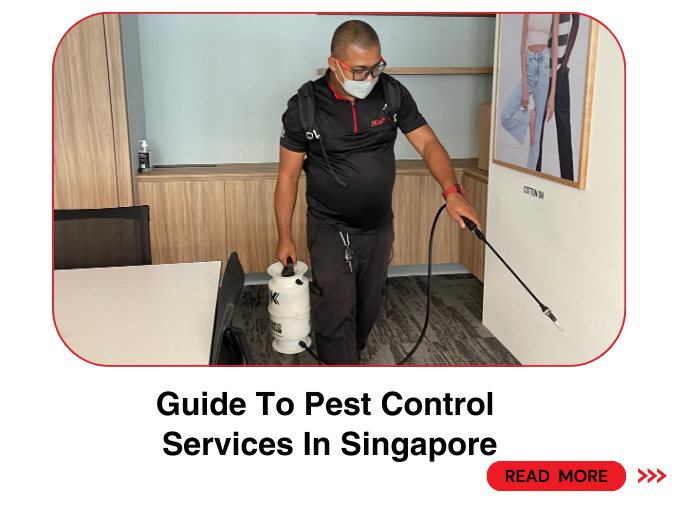
Navigating the Costs of Comfort: A Comprehensive Guide to Pest Control Services Singapore Price
Singapore, a bustling metropolis known for its immaculate cityscape and lush greenery, paradoxically grapples with a persistent challenge: pests. The tropical climate, high population density, and intricate urban infrastructure create an ideal breeding ground for a myriad of unwanted intruders, from the ubiquitous cockroach and ant to the more insidious termite and bed bug. While the desire for a pest-free environment is universal, the cost of achieving it often remains a mystery to many residents and businesses.
This comprehensive article aims to demystify the "Pest Control Services Singapore Price." We will delve into the various factors that influence pricing, explore the cost ranges for common pest issues, and provide invaluable insights into choosing the right pest control provider to ensure both effectiveness and value for money.
The Persistent Pest Problem in Singapore
Before dissecting the costs, it’s crucial to understand why professional pest control is not just a luxury but often a necessity in Singapore. The city-state’s environmental conditions are a double-edged sword:
- Tropical Climate: High humidity and consistent warmth year-round accelerate pest breeding cycles and allow them to thrive.
- Dense Urbanization: High-rise residential buildings, interconnected commercial spaces, and a complex drainage system provide endless harborage and travel routes for pests.
- Food Sources: The abundance of food waste in hawker centers, restaurants, and residential areas attracts rodents and cockroaches.
- Health Risks: Pests like mosquitoes transmit dengue fever, while cockroaches and rodents can spread bacteria and allergens. Bed bugs cause irritating bites and psychological distress.
- Property Damage: Termites, in particular, are notorious for causing extensive structural damage to homes and businesses, leading to costly repairs.
Given these challenges, relying solely on DIY methods often proves ineffective in the long run. Professional pest control offers targeted solutions, specialized equipment, and expertise that can eliminate infestations and prevent future occurrences.
Understanding Pest Control Services: More Than Just Spraying
The term "pest control" often conjures images of technicians spraying chemicals. However, modern pest control, particularly in a sophisticated market like Singapore, encompasses a much broader range of services, each with its own cost implications:
- Inspection and Identification: The first crucial step involves a thorough assessment of the property to identify the type of pest, the extent of the infestation, and entry points. This diagnostic phase is often included in the overall service fee or charged as a nominal fee for specialized pests like termites.
- Targeted Treatment: Based on the inspection, technicians employ specific methods:
- Chemical Treatments: Sprays, gels, baits, dusts, and fumigants.
- Non-Chemical Treatments: Heat treatment (especially for bed bugs), traps, physical exclusion.
- Biological Control: Less common in urban residential settings but used in some agricultural or specific environmental contexts.
- Preventive Measures: Sealing cracks, recommending structural repairs, installing mesh screens, and advising on sanitation practices.
- Monitoring and Follow-up: For severe infestations or ongoing issues, multiple visits are often necessary to ensure complete eradication and prevent recurrence. This is common for termites, bed bugs, and rodents.
- Integrated Pest Management (IPM): A holistic approach that combines various strategies—biological, cultural, physical, and chemical—to manage pest populations while minimizing risks to human health and the environment. IPM is often the preferred method for long-term effectiveness, especially in commercial settings.
- Disinfection Services: Increasingly offered, especially post-COVID-19, to sanitize spaces after pest eradication.
Key Factors Influencing Pest Control Prices in Singapore
The cost of pest control services in Singapore is not a one-size-fits-all figure. It is a complex calculation influenced by several critical factors:
1. Type of Pest
This is arguably the most significant determinant of cost. Different pests require different approaches, levels of expertise, and resources.
- General Pests (Ants, Small Cockroaches, Spiders): These are relatively straightforward to treat. Prices are typically lower for localized, minor infestations.
- Common but Stubborn Pests (Mosquitoes, House Flies): Require regular monitoring and treatment, especially in outdoor areas or for breeding sites.
- Resilient Pests (German Cockroaches, Rodents): These pests breed rapidly and are adept at hiding. Eradication often requires multiple visits and strategic baiting/trapping.
- Challenging Pests (Bed Bugs): Highly resilient and require intensive, often multi-pronged treatments (chemical, heat, steam) across multiple sessions. They are one of the most expensive pests to eradicate.
- Destructive Pests (Termites): These are the most complex and costly to manage. Treatment involves specialized knowledge, advanced equipment (e.g., thermal imaging), and often long-term monitoring systems. The cost can vary wildly depending on whether it’s a localized spot treatment, a liquid barrier, or a baiting system.
2. Severity of Infestation
A minor, early-stage infestation will naturally cost less to treat than a widespread, entrenched problem. A severe infestation demands more time, more product, more labor, and potentially more advanced techniques. For instance, a single bed bug found early is easier to deal with than an entire apartment crawling with them.
3. Size and Type of Property
The physical dimensions and nature of the space significantly impact pricing.
- HDB Flats: Generally smaller and more standardized, leading to lower base prices.
- Condominiums: Can vary greatly in size. Larger units or those with balconies/gardens will incur higher costs.
- Landed Properties (Terraces, Semi-Ds, Bungalows): Larger floor areas, multiple levels, extensive gardens, and more potential entry points mean higher costs, especially for pests like termites that can attack foundations.
- Commercial Properties: Restaurants, warehouses, offices, retail stores, and food processing plants often require more frequent, stringent, and discreet pest control services due to health regulations, brand reputation, and the potential for large-scale infestations. These contracts are typically customized and significantly more expensive than residential services.
4. Treatment Method and Technology Used
The chosen treatment method plays a direct role in the price.
- Standard Chemical Sprays/Baits: Generally the most common and cost-effective.
- Heat Treatment: Highly effective for bed bugs but requires specialized equipment that heats an entire area to lethal temperatures. It’s labor-intensive and significantly more expensive than chemical treatments.
- Fumigation: Rarely used in residential settings due to its invasiveness and the need for vacating the premises. It’s reserved for severe, widespread infestations (e.g., drywood termites in furniture, stored product pests in warehouses) and is very costly.
- Termite Baiting Systems (e.g., Sentricon, Exterra): Involve installing bait stations around the perimeter of a property and monitoring them. This is a long-term solution that is more environmentally friendly but comes with a higher initial setup cost and ongoing monitoring fees.
- Liquid Termite Barriers: Involves drilling and injecting termiticides into the ground around the foundation. This is a robust but invasive and costly procedure.
- Eco-Friendly/Green Options: While becoming more popular, some non-toxic or organic pest control solutions might be pricier due to specialized products or more labor-intensive application methods.
5. Frequency of Service (One-off vs. Contract)
- One-off Treatment: Suitable for minor, isolated pest problems. While seemingly cheaper upfront, it may not address the root cause or prevent future infestations.
- Recurring Contracts: Most companies offer monthly, quarterly, or bi-annual contracts. These are often more cost-effective in the long run, as they include regular inspections, preventive measures, and follow-up treatments. Companies typically offer discounts for committed contracts. This is especially vital for businesses and for pests like mosquitoes and rodents.
6. Company Reputation, Expertise, and Guarantees
Established pest control companies with a strong track record, certified technicians, and comprehensive insurance often charge more. This premium reflects their reliability, effectiveness, use of quality products, adherence to safety standards, and the peace of mind that comes with a service guarantee (e.g., free re-treatment if pests return within a certain period). Newer or smaller operators might offer lower prices but may lack the same level of experience or backing.
7. Additional Services
Some services might come with extra charges:
- Post-treatment cleaning or disinfection.
- Proofing work: Sealing cracks, installing mesh.
- Emergency call-outs: Urgent services outside regular hours.
Estimated Price Ranges for Common Pest Control Services in Singapore (SGD)
It’s crucial to note that these are estimated ranges and actual prices can vary significantly based on the factors mentioned above. Always obtain a detailed quote from a reputable provider.
1. General Pests (Ants, Small Cockroaches, Spiders)
- One-off Treatment (HDB 3-4 room flat): SGD 80 – SGD 150
- Quarterly Contract (HDB 3-4 room flat): SGD 250 – SGD 400 per year (4 visits)
- Landed Property/Larger Condo (one-off): SGD 150 – SGD 300+
2. Cockroaches (Moderate to Severe Infestation, German Cockroaches)
- One-off Treatment (HDB): SGD 100 – SGD 250 (may require follow-up visits)
- Recurring Contract (HDB, 3-6 visits/year): SGD 300 – SGD 600 per year
- Commercial (e.g., restaurant): Highly variable, from SGD 150 – SGD 400+ per month depending on size and severity.
3. Mosquito Control (Fogging/Misting)
- One-off Treatment (Garden/Outdoor Area): SGD 100 – SGD 200
- Monthly Contract (Residential Garden): SGD 50 – SGD 100 per month (depending on area size)
- Commercial/Large Area: Custom quotes, significantly higher.
4. Rodents (Rats/Mice)
- Initial Inspection + Baiting/Trapping (1-2 visits): SGD 150 – SGD 350
- Ongoing Monitoring/Contract (Residential): SGD 400 – SGD 800 per year (multiple visits)
- Commercial (e.g., food premises): SGD 100 – SGD 300+ per month, depending on intensity.
5. Bed Bugs
- Chemical Treatment (requires 2-4 sessions): SGD 400 – SGD 1,000+ for a typical HDB flat, depending on severity and number of rooms affected.
- Heat Treatment (per room/area): SGD 800 – SGD 2,000+ (more effective but significantly more expensive than chemical, especially for larger areas).
- Combined Chemical & Heat: Can be even higher.
6. Termites
Termite control is the most specialized and potentially expensive service due to the destructive nature of these pests and the complexity of eradication.
- Inspection: Often free, but some companies charge a nominal fee (SGD 50 – SGD 100) which may be waived if you proceed with treatment.
- Localized Spot Treatment (Drilling & Injection): SGD 300 – SGD 800 per affected area/spot.
- Termite Baiting System (Installation + 1 year monitoring): SGD 1,500 – SGD 4,000+ for a typical HDB/condo unit, and potentially SGD 3,000 – SGD 8,000+ for landed properties.
- Liquid Barrier Treatment (Pre-construction): SGD 1,000 – SGD 3,000+ (depending on property size).
- Liquid Barrier Treatment (Post-construction, remedial): SGD 2,000 – SGD 6,000+ (for HDB/condo) or SGD 5,000 – SGD 15,000+ (for landed property), as it involves extensive drilling and injection around the entire perimeter.
How to Choose a Pest Control Provider in Singapore
Given the wide range of services and prices, making an informed decision is crucial.
- Get Multiple Quotes: Contact at least 2-3 reputable companies. This allows you to compare prices, proposed methods, and guarantees.
- Check for NEA Licensing: Ensure the company is licensed by the National Environment Agency (NEA) and employs NEA-certified technicians. This guarantees they meet regulatory standards for safety and effectiveness.
- Read Reviews and Testimonials: Online platforms like Google Reviews, Facebook, and forums can provide insights into customer satisfaction and service quality.
- Inquire About Methods and Chemicals: Ask about the specific treatments they plan to use, the safety of the chemicals (especially if you have children, pets, or allergies), and any necessary precautions.
- Understand the Guarantee: What kind of warranty or guarantee do they offer? For how long? What does it cover?
- Clarity on What’s Included: Ensure the quote clearly outlines all services, follow-up visits, and any potential hidden costs.
- Ask About Integrated Pest Management (IPM): A company that practices IPM is often more thorough and aims for long-term solutions rather than just quick fixes.
- Professionalism: Assess their responsiveness, clarity in communication, and punctuality during initial contact and inspection.
The Value Proposition: Is Professional Pest Control Worth the Price?
While the costs can seem substantial, particularly for severe infestations or specialized pests, the value proposition of professional pest control is clear:
- Health and Safety: Protects your family or employees from disease-carrying pests and allergens.
- Property Preservation: Prevents costly structural damage caused by termites or other destructive pests.
- Peace of Mind: Eliminates the stress and discomfort of living or working with pests.
- Long-term Savings: Addressing pest problems early and effectively prevents them from escalating into larger, more expensive issues. DIY methods often lead to recurring problems and wasted money.
- Regulatory Compliance: Essential for businesses, especially those in the food industry, to meet health and safety standards.
Conclusion
Pest control services in Singapore are an essential investment for maintaining a healthy, safe, and comfortable living or working environment. The "Pest Control Services Singapore Price" is influenced by a multitude of factors, with the type of pest, severity of infestation, and property size being the primary drivers. While costs can vary widely, understanding these factors empowers consumers to make informed decisions.
By obtaining multiple quotes, scrutinizing service details, and choosing an NEA-licensed provider, residents and businesses can ensure they receive effective pest management solutions that offer genuine value, protecting their health, property, and peace of mind from Singapore’s persistent pest challenges. Don’t let pests compromise your comfort; invest wisely in professional expertise.