The Dawn of Sustainable Living: Smart Energy Saving Home Systems in Asia
The 21st century has brought with it an unprecedented convergence of technological innovation, rapid urbanization, and an urgent global imperative for sustainability. Nowhere is this confluence more pronounced than in Asia, a continent characterized by its immense population, burgeoning economies, and diverse environmental challenges. As energy demands soar and the specter of climate change looms larger, the concept of "smart energy saving home systems" has transitioned from a futuristic ideal to a practical necessity, poised to redefine residential living across the continent. This article will delve into the multifaceted landscape of smart energy saving home systems in Asia, exploring the driving forces behind their adoption, the core technologies involved, regional nuances, benefits, challenges, and the promising outlook for a more sustainable future.
The Impetus for Smart Energy in Asia
Asia’s journey towards smart energy homes is propelled by a unique blend of demographic, economic, and environmental factors:
-
Rapid Urbanization and Population Growth: Asia is home to over 60% of the world’s population, with an accelerating trend towards urban living. Megacities are expanding at an unprecedented rate, leading to a massive increase in residential buildings and, consequently, energy consumption. Smart systems offer a critical pathway to manage this escalating demand efficiently.
-
Escalating Energy Demand and Costs: Economic prosperity across many Asian nations has elevated living standards, leading to higher consumption of electricity for air conditioning, heating, and modern appliances. This surge strains existing grids, often leading to power shortages and rising energy costs for consumers. Smart homes promise significant bill reductions through optimized usage.
-
Environmental Imperatives: Many Asian countries are at the forefront of climate change impacts, experiencing severe weather events, rising sea levels, and air pollution. There’s a growing awareness and governmental push towards reducing carbon footprints and transitioning to greener economies. Smart energy systems are instrumental in achieving these environmental goals at a household level.
-
Technological Readiness and Adoption: Asia is a global leader in technological innovation and adoption. High internet penetration, widespread smartphone usage, and a tech-savvy population create fertile ground for the integration of smart home technologies. From the advanced digital infrastructure of South Korea and Singapore to the massive manufacturing capabilities of China, the continent is well-equipped to develop and deploy these systems.
-
Government Policies and Initiatives: Governments across Asia are increasingly recognizing the strategic importance of energy efficiency. Initiatives like Singapore’s "Smart Nation" vision, China’s "Smart Cities" program, and Japan’s "Society 5.0" are actively promoting the development and adoption of smart technologies, including those for residential energy management, through subsidies, regulations, and public-private partnerships.
Core Technologies Powering Smart Energy Homes
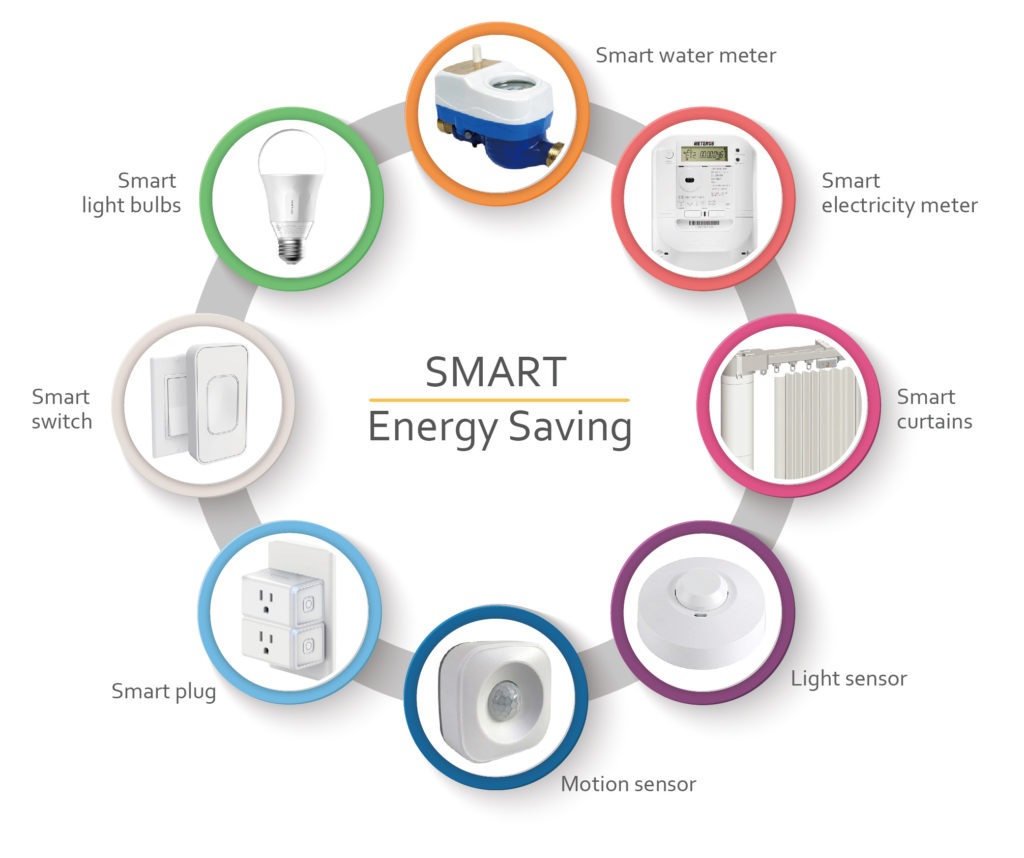
Smart energy saving home systems are an intricate web of interconnected devices, sensors, software, and artificial intelligence, all working in concert to optimize energy consumption without compromising comfort. Key components include:
-
Centralized Hubs and Gateways: These act as the brain of the smart home, connecting and managing various devices. They interpret data, execute commands, and often integrate with voice assistants (like Amazon Alexa, Google Assistant, or local alternatives like Baidu Xiaodu in China) for intuitive control.
-
Smart Lighting Systems: Beyond simple on/off switches, these systems utilize LED technology, occupancy sensors, daylight harvesting, and scheduling to ensure lights are only on when needed, at the optimal brightness. They can adapt to natural light levels, dim automatically, and even learn user preferences.
-
Intelligent HVAC (Heating, Ventilation, and Air Conditioning) Controls: Given that HVAC systems are often the largest energy consumers in a home, smart thermostats are pivotal. They learn household patterns, adjust temperatures based on occupancy, integrate with weather forecasts, and can be controlled remotely. Advanced systems even offer zone-specific climate control, ensuring only occupied areas are heated or cooled.
-
Smart Appliances: Refrigerators, washing machines, dishwashers, and ovens are becoming increasingly intelligent, capable of communicating with the home’s energy management system. They can be programmed to run during off-peak hours when electricity is cheaper, monitor their own energy consumption, and even alert users to potential malfunctions.
-
Energy Monitoring and Management Systems (EMMS): These systems provide real-time data on electricity consumption, often broken down by appliance or circuit. Through intuitive dashboards on smartphones or tablets, homeowners can visualize their energy usage, identify energy vampires, set budgets, and receive personalized recommendations for efficiency improvements.
-
Renewable Energy Integration and Storage: Many smart homes seamlessly integrate with rooftop solar panels, allowing homeowners to generate their own clean electricity. Battery storage systems (like Tesla Powerwall or local equivalents) store excess solar energy for use during the night or peak demand periods, further reducing reliance on the grid and enhancing energy independence. Smart EV chargers can also be integrated, optimizing charging times to leverage solar power or off-peak rates.
-
Artificial Intelligence (AI) and Machine Learning (ML): At the heart of true "smartness" is AI and ML. These technologies analyze vast amounts of data—from user habits, weather patterns, and utility pricing to sensor readings—to predict energy needs and optimize system performance autonomously. They learn and adapt over time, continuously refining energy-saving strategies for maximum efficiency and comfort.
-
IoT Connectivity and Protocols: The interoperability of these diverse devices is crucial. Common communication protocols like Wi-Fi, Zigbee, Z-Wave, and the emerging Matter standard ensure that devices from different manufacturers can "talk" to each other, creating a cohesive smart home ecosystem.
Regional Spotlights: Asia’s Diverse Landscape
The adoption and evolution of smart energy saving home systems vary significantly across Asia, reflecting each region’s unique economic, cultural, and technological characteristics.
Japan: The Pioneer of Advanced Living
Japan has long been at the forefront of smart home technology, driven by a highly tech-literate population, an aging society (where convenience and remote monitoring are highly valued), and a strong emphasis on disaster resilience and energy independence post-Fukushima. Japanese homes often feature sophisticated Home Energy Management Systems (HEMS) that integrate solar power, battery storage, and advanced appliance control. Companies like Panasonic, Toshiba, and Sony have invested heavily in creating comprehensive smart home ecosystems, focusing on seamless integration and user-friendly interfaces. The concept of "zero energy homes" (ZEH) is actively promoted, utilizing high insulation, energy-efficient equipment, and renewable energy to achieve net-zero annual energy consumption.
South Korea: Hyper-Connected and Integrated
South Korea, renowned for its hyper-connectivity and rapid technology adoption, offers a glimpse into the future of integrated smart living. Smart energy systems are often pre-installed in new high-rise apartments, forming part of a broader smart building management system. Giants like Samsung and LG offer extensive portfolios of smart appliances and IoT devices that seamlessly communicate. The focus here is on convenience, remote control, and a fully integrated digital lifestyle, where energy management is just one facet of a comprehensive smart home experience. Predictive AI for energy usage and demand response programs are also gaining traction.
Singapore: The Smart Nation’s Green Vision
As a compact city-state with high energy costs and a strong commitment to sustainability, Singapore is a living laboratory for smart energy solutions. The "Smart Nation" initiative actively supports the deployment of smart home technologies, including energy monitoring and efficient climate control. Government agencies like the Housing & Development Board (HDB) integrate smart features into public housing, making energy efficiency accessible to a broader population. Singapore’s focus is on urban sustainability, leveraging data analytics and AI to optimize energy usage not just at the home level, but across entire districts and the national grid.
China: Scale, Innovation, and Government Push
China represents the largest and fastest-growing market for smart homes globally. Driven by massive urbanization, a booming middle class, and strong government support for "smart cities," the adoption rate is staggering. Domestic tech giants like Huawei, Xiaomi, Alibaba, and Baidu are leading the charge, offering highly competitive and often localized smart home ecosystems. While initial adoption might be driven by convenience and security, energy saving is a significant secondary benefit, especially with the government’s aggressive carbon neutrality goals. The sheer scale of deployment in China offers unprecedented opportunities for data collection and AI-driven energy optimization.
India: Emerging Market with Immense Potential
India presents a unique challenge and opportunity. While still grappling with energy access and grid stability issues in some regions, its rapidly growing urban centers and tech-savvy population are ripe for smart energy solutions. Affordability is a key driver, with a focus on cost-effective solutions for basic energy management, such as smart plugs, smart lighting, and remote control for air conditioners. Companies are innovating to create solutions tailored to local conditions, including resilience against power fluctuations and integration with off-grid renewable solutions. The potential for leapfrogging older energy infrastructure with smart, decentralized systems is immense.
Southeast Asia: Diverse and Dynamic
The diverse nations of Southeast Asia (Indonesia, Thailand, Vietnam, Malaysia, Philippines, etc.) are experiencing rapid economic growth and urbanization, leading to increased energy demand. While penetration rates vary, there’s a growing appetite for smart energy solutions, particularly in urban areas. High temperatures mean air conditioning is a major energy consumer, making smart thermostats and intelligent HVAC systems highly desirable. Local startups and international players are entering these markets, often focusing on solutions that offer tangible cost savings and enhance comfort in tropical climates. Tourism is also driving smart energy adoption in hotels and resorts.
Benefits of Smart Energy-Saving Homes in Asia
The widespread adoption of these systems brings a multitude of benefits:
- Significant Cost Savings: By optimizing energy consumption, reducing waste, and potentially leveraging off-peak tariffs, homeowners can realize substantial reductions in their monthly electricity bills.
- Reduced Environmental Impact: Lower energy consumption directly translates to a reduced carbon footprint, contributing to cleaner air and helping nations meet their climate change commitments.
- Enhanced Comfort and Convenience: Automated systems adapt to user preferences, creating optimal indoor environments without constant manual adjustments. Remote control offers unparalleled convenience and peace of mind.
- Improved Grid Stability and Resilience: Smart homes can participate in demand response programs, shifting energy consumption away from peak hours, thereby alleviating strain on the national grid and preventing blackouts. Integration with renewables and battery storage also enhances energy independence.
- Increased Property Value: Homes equipped with advanced smart energy systems are often more attractive to buyers, commanding higher resale values due to their efficiency, modernity, and long-term cost-saving potential.
- Data-Driven Insights: Real-time monitoring provides homeowners with actionable data, empowering them to make informed decisions about their energy usage and identify areas for further improvement.
Challenges and Hurdles
Despite the immense potential, several challenges need to be addressed for the widespread and equitable adoption of smart energy saving home systems in Asia:
- High Initial Investment Costs: For many households, particularly in developing economies, the upfront cost of purchasing and installing smart home systems can be prohibitive, even if long-term savings are significant.
- Interoperability and Standardization: The smart home market is fragmented, with numerous proprietary ecosystems and communication protocols. This can lead to compatibility issues and vendor lock-in, hindering seamless integration and user experience. The emerging Matter standard aims to address this, but its full impact is yet to be seen.
- Cybersecurity and Privacy Concerns: As more devices become connected, the risk of cyberattacks and data breaches increases. Protecting sensitive personal data and ensuring the security of home networks are paramount for building consumer trust.
- Technical Complexity and User Adoption: While designed for convenience, the initial setup and management of some smart home systems can be complex for non-tech-savvy users, leading to frustration and underutilization of features.
- Infrastructure Gaps: Reliable and affordable internet connectivity is a prerequisite for most smart home systems. In some rural or less developed areas of Asia, this infrastructure may still be lacking. Grid stability and smart meter deployment also vary widely.
- Regulatory Frameworks and Incentives: While some governments offer incentives, consistent and comprehensive regulatory frameworks are needed to standardize energy efficiency, promote interoperability, and provide clear guidelines for data privacy and security.
The Future Outlook: Smarter, Greener, More Integrated
The future of smart energy saving home systems in Asia is undeniably bright. Several trends indicate continued growth and sophistication:
- AI and Machine Learning Dominance: Systems will become even more intelligent and autonomous, anticipating needs, predicting faults, and optimizing energy use with minimal user intervention.
- Greater Affordability and Accessibility: As technology matures and manufacturing scales, costs will continue to decrease, making smart energy solutions accessible to a broader demographic.
- Holistic Smart Living: Energy management will be seamlessly integrated into broader smart home ecosystems that encompass security, health, entertainment, and remote work, creating truly intuitive and responsive living spaces.
- Enhanced Grid Integration: Smart homes will play a more active role in the smart grid, participating in advanced demand response, virtual power plants, and peer-to-peer energy trading.
- Sustainable Materials and Circular Economy: A focus on eco-friendly materials and design for repairability and recyclability will become more prominent in smart device manufacturing.
- Leveraging 5G and Edge Computing: The rollout of 5G will enable faster, more reliable communication, while edge computing will allow for quicker local processing of data, enhancing responsiveness and privacy.
Conclusion
Smart energy saving home systems are not merely a luxury but an essential component of sustainable urban development and a higher quality of life in Asia. Driven by the continent’s unique demographic pressures, environmental concerns, and technological prowess, these systems are transforming how energy is consumed, managed, and generated at the residential level. While challenges related to cost, interoperability, and security persist, the relentless pace of innovation, coupled with increasing governmental and consumer awareness, points towards a future where Asian homes are not just intelligent, but also inherently efficient, resilient, and environmentally responsible. The journey towards truly smart and sustainable living is well underway, promising a greener, more comfortable, and economically viable future for millions across the diverse and dynamic continent of Asia.