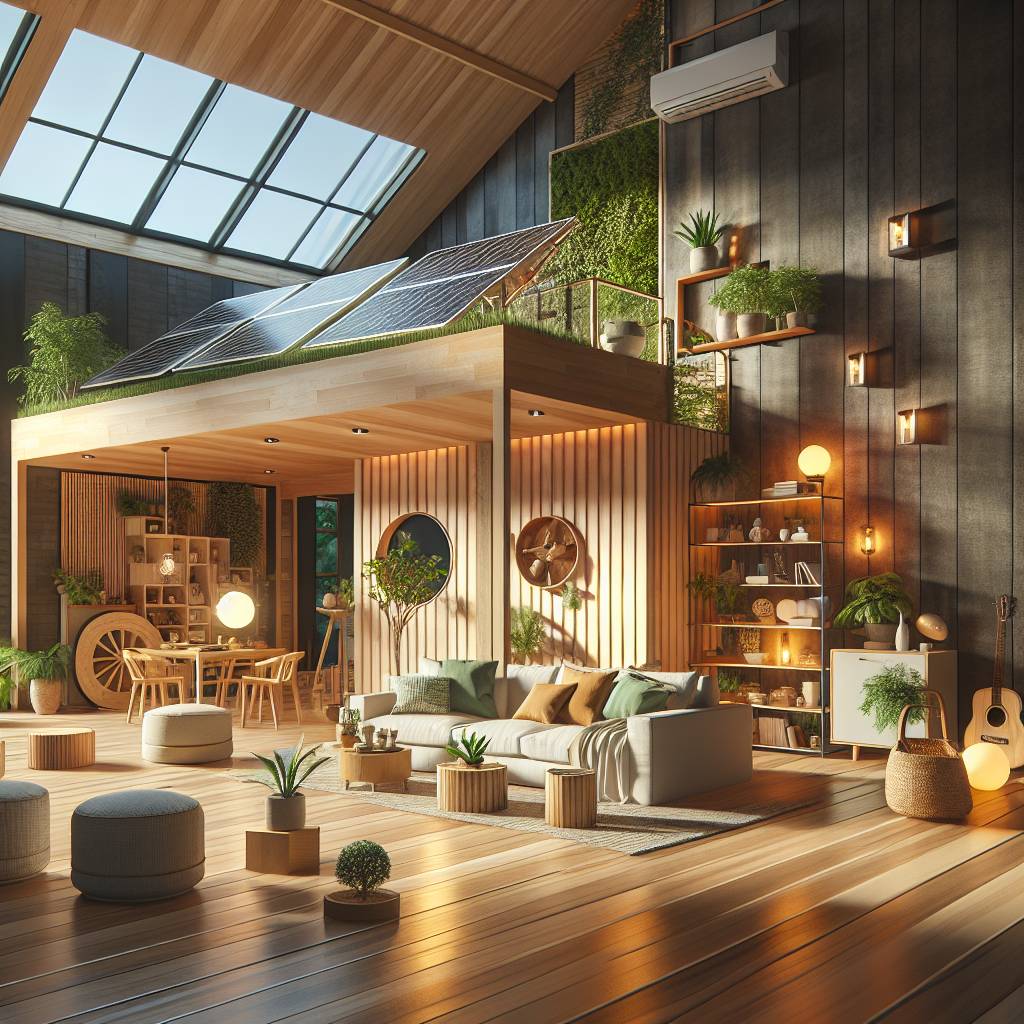
Greening Your Malaysian Home: A Comprehensive Guide to Eco-Friendly Renovation
In an era defined by increasing environmental consciousness and the undeniable impacts of climate change, the concept of sustainable living has moved from niche interest to mainstream imperative. For homeowners in Malaysia, this shift presents a unique opportunity to transform their living spaces into environmentally responsible havens through eco-friendly renovation. Beyond merely aesthetics, green renovations offer a multitude of benefits, from reducing carbon footprints and lowering utility bills to improving indoor air quality and enhancing overall well-being.
Malaysia, with its tropical climate, abundant natural resources, and growing awareness of sustainability, is fertile ground for this movement. This comprehensive guide will delve into the principles, practices, and practical considerations for undertaking an eco-friendly home renovation in Malaysia, aiming for a 1500-word exploration of how to create a healthier, more efficient, and sustainable home.
The Imperative for Green Renovation in Malaysia
Malaysia faces specific environmental challenges, including rising energy consumption, increasing waste generation, and the impacts of a warming climate. Traditional building practices often contribute to these issues through high energy use for cooling, reliance on resource-intensive materials, and significant construction waste. Eco-friendly renovation offers a powerful counter-narrative, aligning with national goals for sustainable development and providing homeowners with a tangible way to contribute to a greener future.
The tropical climate of Malaysia also makes passive design and energy efficiency particularly crucial. Homes designed or renovated with green principles can significantly reduce the reliance on air conditioning, thereby cutting down electricity consumption and associated carbon emissions. Furthermore, with the rising cost of living and utilities, the long-term financial savings offered by a more efficient home are becoming increasingly attractive.
Benefits of Eco-Friendly Renovation
The advantages of going green with your home renovation extend far beyond environmental stewardship:
-
Environmental Impact:
- Reduced Carbon Footprint: Lower energy consumption, especially for cooling, directly translates to fewer greenhouse gas emissions.
- Conservation of Resources: Utilizing recycled, reclaimed, and sustainably sourced materials reduces demand for virgin resources.
- Waste Diversion: Thoughtful planning and material selection can drastically cut down on construction and demolition waste going to landfills.
- Water Conservation: Efficient fixtures and rainwater harvesting systems reduce strain on local water supplies.
-
Economic Advantages:
- Lower Utility Bills: Significant savings on electricity (air conditioning, lighting) and water bills over the long term.
- Increased Property Value: Eco-friendly features are increasingly sought after by homebuyers, making green homes more attractive and valuable in the market.
- Potential Incentives: While residential incentives are still developing in Malaysia, government schemes for green technology or property tax breaks may emerge or expand.
- Durability and Longevity: Sustainable materials are often chosen for their resilience, reducing maintenance and replacement costs over time.
-
Health and Well-being:
- Improved Indoor Air Quality (IAQ): Use of low-VOC (Volatile Organic Compound) paints, sealants, and finishes eliminates harmful toxins, creating a healthier living environment. Enhanced ventilation also plays a role.
- Thermal Comfort: Passive design strategies ensure more stable and comfortable indoor temperatures, reducing reliance on artificial cooling.
- Connection to Nature: Incorporating natural light, green spaces, and non-toxic materials can foster a sense of well-being and connection to the outdoors.
-
Social Responsibility:
- Leading by Example: Green homeowners contribute to a larger movement, inspiring neighbours and communities to adopt sustainable practices.
- Support for Local Economies: Prioritizing local, sustainably produced materials and services can benefit Malaysian businesses and artisans.
Core Principles of Eco-Friendly Renovation
Before diving into specific renovations, understanding the guiding principles is crucial:
- Holistic Approach: View your home as an interconnected system. Changes in one area (e.g., insulation) will affect others (e.g., cooling load).
- Passive Design: Harness natural elements – sunlight, wind, and shade – to minimize energy consumption. This is paramount in Malaysia’s tropical climate.
- Reduce, Reuse, Recycle: Apply this mantra throughout the renovation process, from material selection to waste management.
- Durability and Longevity: Invest in high-quality, long-lasting materials and systems to reduce the need for frequent replacements.
- Indoor Environmental Quality (IEQ): Prioritize good ventilation, natural light, and non-toxic materials to create a healthy living space.
Key Areas of Eco-Friendly Renovation in Malaysia
Let’s break down the practical aspects of green renovation, tailored to the Malaysian context:
1. Energy Efficiency: Taming the Tropical Heat
Energy consumption, primarily for air conditioning, is often the largest environmental and financial burden for Malaysian homeowners.
-
Passive Cooling Strategies:
- Orientation and Shading: If structural changes are possible, optimize window and door placement to minimize direct sun exposure. For existing homes, external shading devices (overhangs, louvres, screens) are essential to block the intense tropical sun.
- Natural Ventilation: Design for cross-ventilation by creating clear pathways for air to flow through the house. Incorporate louvred windows, vents, and even strategically placed internal openings. Ceiling fans are an energy-efficient alternative to air conditioning for many situations.
- High Ceilings: Allow hot air to rise, improving comfort.
- Thermal Mass: While not always practical in renovations, materials that absorb and release heat slowly can help stabilize indoor temperatures.
-
Insulation:
- Roof Insulation: This is perhaps the single most effective energy-saving measure in Malaysia. A well-insulated roof prevents heat from penetrating the attic and radiating into the living spaces below. Options include rockwool, glass wool, cellulose, or reflective foil insulation.
- Wall Insulation: While less common in existing Malaysian homes, adding insulation to external walls can further reduce heat gain, especially for walls exposed to prolonged direct sunlight.
-
Windows and Doors:
- High-Performance Glazing: Consider low-emissivity (Low-E) glass or double-glazed windows, which reduce heat transfer while allowing light in.
- Window Treatments: Install high-quality blinds, curtains, or external shades to block sun and reduce glare.
- Sealing: Ensure all windows and doors are properly sealed to prevent air leakage, which can negate the benefits of cooling.
-
Lighting:
- Maximize Natural Light: Design interiors to make the most of daylight, reducing the need for artificial lighting during the day. Consider light tubes or skylights for darker areas.
- LED Lighting: Replace all incandescent and fluorescent bulbs with energy-efficient LED lighting. LEDs consume significantly less energy and have a much longer lifespan.
-
Energy-Efficient Appliances:
- When replacing appliances (air conditioners, refrigerators, washing machines), choose models with high energy efficiency ratings (e.g., 5-star rating in Malaysia). Inverters in air conditioners are particularly important for energy savings.
-
Renewable Energy:
- Solar Photovoltaic (PV) Panels: Malaysia’s abundant sunshine makes solar PV a viable option for generating your own electricity, significantly reducing reliance on the grid. Government initiatives like the Net Energy Metering (NEM) scheme can make this financially attractive.
- Solar Water Heaters: Utilize solar energy to heat water, eliminating the need for electric water heaters.
2. Water Conservation: A Precious Resource
With increasing pressure on water resources, conserving water is a critical aspect of green living.
- Low-Flow Fixtures: Install water-efficient showerheads, faucets, and toilets. Modern low-flow toilets can save thousands of litres of water annually.
- Rainwater Harvesting Systems: Collect rainwater from your roof in tanks for use in gardening, car washing, or even flushing toilets (with proper filtration). Given Malaysia’s heavy rainfall, this is a highly effective strategy.
- Greywater Recycling: Systems that treat and reuse water from showers, sinks, and washing machines for irrigation can significantly reduce potable water consumption.
- Water-Efficient Landscaping: Choose drought-tolerant native plants that require less irrigation.
3. Sustainable Materials: Building a Healthier Home
The choice of materials profoundly impacts a renovation’s environmental footprint and indoor air quality.
-
Local and Renewable Materials:
- Bamboo: A rapidly renewable resource, bamboo can be used for flooring, panelling, and even structural elements.
- Rubberwood (Hevea brasiliensis): A byproduct of the latex industry, rubberwood is a sustainable alternative to traditional hardwoods for furniture and flooring.
- Recycled Content Materials: Look for tiles made from recycled glass or porcelain, countertops from recycled content, or composite decking made from recycled plastics.
- Reclaimed Wood: Salvaged timber from old buildings offers character and reduces demand for new logging.
-
Non-Toxic Materials:
- Low-VOC Paints and Finishes: Traditional paints and varnishes often release harmful VOCs, contributing to poor indoor air quality. Opt for low-VOC or zero-VOC alternatives.
- Natural Materials: Consider plaster, clay paints, or natural fibre insulation which are free from synthetic chemicals.
- Formaldehyde-Free Products: Choose formaldehyde-free cabinetry, flooring, and insulation.
-
Durability and Longevity:
- Invest in high-quality materials that are built to last, reducing the need for frequent replacements and associated waste. For example, solid wood flooring or high-quality porcelain tiles will outlast cheaper alternatives.
-
Ethical Sourcing:
- If using wood, ensure it is Forest Stewardship Council (FSC) certified, guaranteeing it comes from responsibly managed forests.
-
Reusing and Upcycling:
- Before buying new, consider if existing elements can be repurposed or upcycled. Old doors can become tabletops, salvaged wood can become shelves, etc.
4. Waste Management During Renovation
Construction and demolition waste is a major contributor to landfills. Proactive waste management is crucial for a green renovation.
- Deconstruction vs. Demolition: Whenever possible, deconstruct elements (carefully dismantling) rather than demolishing (breaking down). This allows materials to be salvaged and reused.
- Sorting and Recycling: Set up separate bins for different waste streams: wood, metal, plasterboard, plastics, and general waste. Work with contractors who are committed to recycling and diverting waste from landfills.
- Donation: Donate usable fixtures, appliances, or building materials to charities or second-hand building material suppliers.
5. Indoor Air Quality (IAQ)
A healthy home is one with clean air, free from pollutants.
- Ventilation: Ensure adequate ventilation throughout the home to flush out pollutants and bring in fresh air. This is especially important in humid climates where mould can be an issue. Consider energy recovery ventilators (ERVs) if using air conditioning frequently, as they exchange indoor air with fresh air while minimizing energy loss.
- Moisture Control: Prevent mould and mildew growth by addressing leaks promptly, using exhaust fans in bathrooms and kitchens, and maintaining good air circulation.
- Natural Cleaning Products: Once the renovation is complete, maintain good IAQ by using non-toxic, natural cleaning products.
6. Green Landscaping and Permaculture
Your outdoor space is an extension of your green home.
- Native Plants: Choose plants native to Malaysia. They are adapted to the local climate, require less water and maintenance, and support local biodiversity.
- Strategic Shading: Plant trees and shrubs strategically around your home to provide natural shade, reducing heat gain through walls and windows.
- Edible Gardens: Incorporate edible plants, herbs, and fruit trees into your landscape for fresh, home-grown produce.
- Composting: Start a compost pile for kitchen scraps and garden waste, enriching your soil naturally.
Navigating the Challenges in Malaysia
While the benefits are clear, undertaking an eco-friendly renovation in Malaysia can present some challenges:
- Perceived Cost: Green renovations often have a higher upfront cost. However, it’s crucial to educate yourself and your contractor about the long-term savings and increased property value, which typically outweigh the initial investment.
- Availability of Materials and Expertise: While growing, the market for certain niche eco-friendly materials or highly specialized green contractors might still be limited in some areas. Research and networking are key.
- Awareness and Education: Not all contractors or designers are fully versed in green building practices. You may need to take a proactive role in educating yourself and guiding your renovation team.
- Government Incentives: While the Green Building Index (GBI) primarily targets commercial and larger residential developments, the principles apply. Homeowners can benefit from initiatives like the Green Technology Financing Scheme (GTFS) for renewable energy installations, though direct renovation incentives for residential properties are less prevalent than in some other countries. Keep an eye on evolving policies.
Finding the Right Professionals
Success hinges on partnering with the right team:
- Architects and Designers: Look for professionals with experience or a strong interest in sustainable design, passive cooling, and energy efficiency in tropical climates.
- Contractors: Find contractors who are committed to waste reduction, using sustainable materials, and understand the nuances of green construction. Ask for references and examples of previous green projects.
- Green Building Consultants: For larger projects, consider engaging a consultant specializing in green building to guide the process and ensure adherence to sustainable practices.
Conclusion: A Greener Future, One Home at a Time
Eco-friendly home renovation in Malaysia is more than a trend; it’s a responsible and rewarding investment in your future and the planet’s. By embracing principles of energy efficiency, water conservation, sustainable materials, and waste reduction, Malaysian homeowners can create spaces that are not only beautiful and comfortable but also contribute positively to environmental health and economic resilience.
While the journey may require careful planning and a commitment to sustainable choices, the long-term benefits – lower utility bills, a healthier living environment, increased property value, and the satisfaction of contributing to a greener Malaysia – make it an endeavour truly worth pursuing. As more homeowners choose this path, they will collectively pave the way for a more sustainable and vibrant future for residential living across the nation. Start small, think big, and transform your home into a beacon of green living.