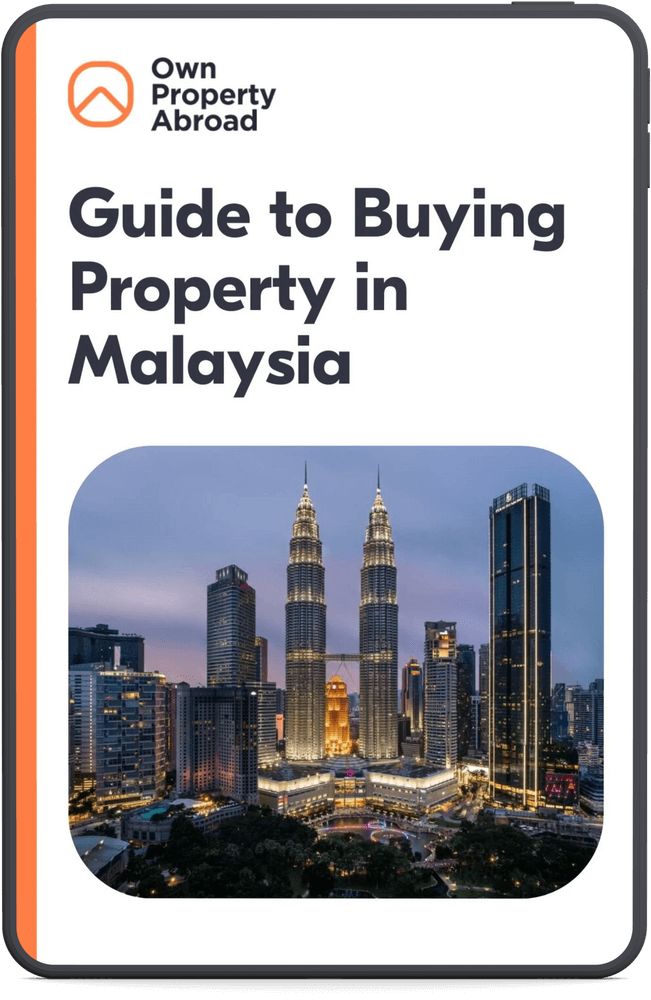
Navigating the Malaysian Property Market: A Comprehensive Guide for Foreign Buyers
Malaysia, a vibrant tapestry of cultures, stunning natural landscapes, and a rapidly developing economy, has long captivated the hearts of expatriates and investors alike. Its strategic location in Southeast Asia, coupled with a relatively affordable cost of living, modern infrastructure, and a welcoming multicultural environment, makes it an attractive destination for foreigners looking to purchase property. While the process is generally straightforward, understanding the specific regulations, procedures, and nuances involved is crucial for a smooth and successful acquisition.
This comprehensive guide aims to demystify the journey of buying property in Malaysia for foreigners, covering everything from eligibility and the buying process to financing, costs, and key considerations.
Why Malaysia? The Allure for Foreign Property Buyers
Before diving into the specifics, it’s worth exploring what makes Malaysia such an appealing option for international buyers:
- Affordability: Compared to many Western countries and even some neighbouring Asian nations (like Singapore or Hong Kong), property prices in Malaysia, especially in major cities, offer excellent value for money. This allows buyers to acquire more spacious homes or invest in prime locations.
- High Quality of Life: Malaysia boasts a comfortable lifestyle with excellent healthcare facilities, international schools, diverse culinary experiences, and a wide array of recreational activities.
- Strategic Location: Situated at the heart of Southeast Asia, Malaysia offers easy access to regional travel hubs, making it convenient for business and leisure travel.
- Stable Economy and Government: The country has a relatively stable political and economic environment, providing a sense of security for long-term investments.
- Multicultural Environment: With Malay, Chinese, and Indian as major ethnic groups, English is widely spoken, easing communication and integration for foreigners.
- Infrastructure: Modern cities like Kuala Lumpur offer world-class infrastructure, including reliable public transportation, well-maintained road networks, and high-speed internet.
- Diverse Property Options: From luxurious high-rise condominiums in bustling city centres to serene landed homes in gated communities and beachfront villas, Malaysia offers a wide range of property types to suit various preferences and budgets.
Eligibility and Restrictions for Foreign Property Ownership
While Malaysia is generally open to foreign property ownership, certain regulations are in place to manage the market and protect local interests. These rules primarily revolve around minimum purchase prices and types of property.
1. Minimum Purchase Price Thresholds:
The most significant restriction for foreign buyers is the minimum purchase price, which is determined by individual state governments. While the federal government generally sets a minimum of RM1 million (approximately USD 210,000 – USD 220,000, depending on exchange rates), many states have their own, sometimes higher, thresholds.
- Federal Territory (Kuala Lumpur, Putrajaya, Labuan): RM1 million
- Selangor: Generally RM1 million, but can vary by district and property type.
- Penang: RM1 million for strata properties and RM2 million for landed properties on the island; RM500,000 for strata and RM1 million for landed on the mainland.
- Johor: RM1 million for most properties.
- Malacca: RM1 million.
- Sarawak: RM600,000 (city areas) to RM500,000 (rural areas).
- Sabah: RM1 million.
Important Note: These thresholds are subject to change and vary significantly by state and even specific districts within a state. It is crucial to verify the latest regulations with the relevant State Land Office or a local property expert before making any commitment.
2. Restricted Property Types:
Foreigners are generally prohibited from purchasing:
- Malay Reserved Land: Land specifically designated for ethnic Malays.
- Bumiputera Quota Properties: Properties allocated for Bumiputera (indigenous Malaysian) buyers.
- Agricultural Land: Unless it is designated for commercial or industrial use and approved by the state authority.
- Low and Medium-Cost Properties: Designed to provide affordable housing for Malaysians.
- Properties valued below the state’s minimum threshold for foreign acquisition.
3. Type of Ownership:
Foreigners can acquire both freehold and leasehold properties.
- Freehold: Provides indefinite ownership of the land and property.
- Leasehold: Grants ownership for a fixed period, typically 99 years, after which the lease needs to be renewed or the property reverts to the state. Leasehold properties are generally cheaper but involve potential complications and costs upon lease expiry.
The Property Buying Process for Foreigners: A Step-by-Step Guide
The process of buying property in Malaysia involves several key stages, requiring careful attention to detail and professional guidance.
Step 1: Research and Due Diligence
Begin by researching desired locations, property types, and market trends. Consider factors like proximity to amenities, infrastructure, potential for appreciation, and rental yields if it’s an investment. It’s advisable to visit Malaysia and explore different areas firsthand.
Step 2: Engage Professionals
This is a critical step. Engage:
- A Reputable Real Estate Agent: They can help you identify suitable properties, negotiate prices, and guide you through the initial stages.
- An Experienced Malaysian Property Lawyer: Essential for reviewing all legal documents, conducting due diligence on the property and seller, ensuring compliance with local laws, and handling the title transfer process.
Step 3: Property Selection and Offer
Once you’ve identified a property, your agent will help you make an offer. If the seller accepts, you will typically sign a Letter of Offer (LOA) or an Offer to Purchase (OTP) and pay an earnest deposit (usually 2-3% of the purchase price). This deposit is typically held by the agent or lawyer as a stakeholder and serves to reserve the property for a short period (e.g., 14 to 21 days) during which the Sales and Purchase Agreement (SPA) is prepared.
Step 4: Sales and Purchase Agreement (SPA)
Your lawyer will draft or review the SPA, a legally binding document outlining the terms and conditions of the sale. This includes the purchase price, payment schedule, property details, and completion period. Upon signing the SPA, you will typically pay the remaining portion of the down payment, bringing the total to 10% of the purchase price.
Step 5: Financing Arrangement (if applicable)
If you require a loan, you should apply to Malaysian banks. It’s advisable to secure a pre-approved loan before signing the SPA, or at least have a clear understanding of your financing capabilities.
Step 6: State Authority Consent / Economic Planning Unit (EPU) Approval
This is a crucial step for foreign buyers. Your lawyer will submit an application to the relevant State Land Office (and sometimes the federal Economic Planning Unit – EPU for certain high-value or specific types of properties). This application seeks consent for the foreign acquisition of property.
- The EPU (under the Prime Minister’s Department) primarily monitors foreign investment and ensures compliance with national development policies. For residential properties, the approval often comes from the State Land Office.
- This process can take anywhere from 1 to 6 months or even longer, depending on the state and the complexity of the application. It is vital to factor this into your timeline.
Step 7: Loan Disbursement (if applicable)
Once state authority consent is obtained and your loan is approved, your bank will disburse the loan amount to the seller or developer according to the payment schedule stipulated in the SPA.
Step 8: Vacant Possession and Handover
Upon full payment of the purchase price and completion of all legal formalities, the seller will grant you vacant possession of the property. You will receive the keys and any relevant documents. It’s important to conduct a thorough inspection of the property at this stage.
Step 9: Title Transfer and Registration
Your lawyer will handle the registration of the property title in your name at the Land Office. This involves paying the relevant stamp duties. This final step legally formalizes your ownership.
Financing Your Property Purchase in Malaysia
Foreigners can obtain home loans from Malaysian banks, though the terms may differ slightly from those offered to Malaysian citizens.
- Loan-to-Value (LTV) Ratio: For foreigners, the LTV ratio typically ranges from 60% to 70% of the property’s value, meaning you will need a higher down payment (30-40%) compared to locals who can often get up to 90%.
- Eligibility: Banks will assess your financial standing, income stability, credit history, and existing assets. You will need to provide extensive documentation, including proof of income (salary slips, tax returns), bank statements, and credit reports from your home country.
- Interest Rates: Interest rates for foreigners are generally competitive and are often floating rates, tied to the Base Lending Rate (BLR) or Base Rate (BR) of the bank.
- Pre-Approval: It is highly recommended to seek pre-approval for a loan before committing to a property, as this provides clarity on your borrowing capacity.
Costs Involved in Buying Property
Beyond the purchase price, several other costs must be factored into your budget:
- Down Payment: Typically 10% of the purchase price, payable in stages (2-3% earnest deposit, remaining 7-8% upon signing SPA).
- Stamp Duty:
- On the SPA: Ad valorem duty based on the purchase price.
- First RM100,000: 1%
- Next RM400,000 (RM100,001 to RM500,000): 2%
- Next RM500,000 (RM500,001 to RM1,000,000): 3%
- Above RM1,000,000: 4%
- On Loan Agreement: Flat rate of 0.5% of the loan amount.
- On the SPA: Ad valorem duty based on the purchase price.
- Legal Fees: For drafting/reviewing the SPA and loan agreement. These are tiered based on the property price:
- First RM500,000: 1%
- Next RM500,000 (RM500,001 to RM1,000,000): 0.8%
- Next RM2,000,000 (RM1,000,001 to RM3,000,000): 0.7%
- And so on, with decreasing percentages for higher values.
- State Authority Application Fees: A nominal fee for processing the foreign acquisition consent.
- Valuation Fees: Required by banks for loan applications, based on the property value.
- Real Estate Agent Fees: In Malaysia, the seller typically pays the agent’s commission (usually 2-3% of the sale price). Buyers usually do not pay agent fees unless they specifically engage an agent for exclusive representation and agree to a fee.
- Miscellaneous Costs:
- Maintenance Fees and Sinking Fund: For strata properties (condos, apartments), paid monthly.
- Quit Rent (Cukai Tanah): Annual land tax.
- Assessment Rates (Cukai Pintu): Annual property tax to the local council.
- Utility Deposits: For electricity, water, and gas.
- Insurance: Fire insurance, home content insurance.
Malaysia My Second Home (MM2H) Program
The MM2H program is a long-term social visit pass designed to allow foreigners to live in Malaysia for extended periods. While it’s not a prerequisite for buying property, participation in MM2H can offer certain benefits, such as:
- Easier property acquisition (though minimum thresholds still apply, and in some cases, MM2H participants might be exempt from certain restrictions or enjoy lower thresholds, depending on state policies).
- Tax incentives for importing or purchasing a car.
- The ability to hire domestic helpers.
Important Update: The MM2H program underwent significant revisions in late 2021, introducing more stringent financial and residency requirements. These changes have made it more challenging for some applicants. It is crucial to check the latest official guidelines from the Ministry of Tourism, Arts and Culture (MOTAC) or the Immigration Department of Malaysia if you are considering applying for MM2H.
Popular Locations for Foreign Property Buyers
Foreigners often gravitate towards specific areas known for their expatriate communities, amenities, and investment potential:
- Kuala Lumpur (KL): The capital city offers a wide range of luxury condominiums in prime areas like KLCC, Mont Kiara, Bangsar, and Damansara Heights. These areas boast excellent infrastructure, international schools, shopping malls, and entertainment.
- Penang: Known for its vibrant heritage, delicious food, and beautiful beaches. Areas like Georgetown (UNESCO World Heritage site), Tanjung Bungah, and Batu Ferringhi are popular for both residential and holiday homes.
- Johor Bahru (Iskandar Malaysia): Bordering Singapore, Johor Bahru offers a more affordable alternative for those working in Singapore or seeking investment opportunities. Areas like Medini, Puteri Harbour, and Educity are popular.
- Langkawi: A duty-free island known for its pristine beaches and natural beauty, attracting those looking for holiday homes or a tranquil retirement spot.
- Malacca: Another UNESCO World Heritage site, appealing to those seeking a blend of history, culture, and a slower pace of life.
Pros and Cons of Buying Property in Malaysia
Pros:
- Affordable Property Prices: High quality of life at a lower cost.
- Stable Rental Yields: Especially in prime locations.
- Relatively Stable Market: Historically resilient.
- Favourable Exchange Rates: For buyers from countries with stronger currencies.
- English is Widely Spoken: Eases communication and daily life.
- Strategic Location: Good base for exploring Southeast Asia.
- Potential for Capital Appreciation: In growing urban centres.
Cons:
- State-Level Variations and Bureaucracy: Regulations differ by state, leading to potential complexities and delays in obtaining approvals.
- Minimum Price Thresholds: Can restrict options for budget-conscious buyers.
- Leasehold Properties: Potential issues and costs associated with lease expiry.
- MM2H Program Changes: Increased uncertainty for those relying on the program for long-term residency.
- Property Market Cycles: Like any market, subject to ups and downs.
- Capital Gains Tax (Real Property Gains Tax – RPGT): Applicable on the sale of property, with varying rates depending on the holding period (lower for longer holding periods).
Key Considerations and Tips for Foreign Buyers
- Thorough Due Diligence: Never rush into a purchase. Investigate the developer’s reputation (for new properties), inspect the property thoroughly, and verify all legal documents.
- Engage Reputable Professionals: A good lawyer and real estate agent are invaluable. Their expertise will save you time, money, and potential headaches.
- Understand All Costs: Get a clear breakdown of all associated costs beyond the purchase price, including taxes, fees, and ongoing maintenance.
- Visit the Property and Area: Spend time in the neighbourhood to assess its suitability for your lifestyle, amenities, and future plans.
- Future Exit Strategy: Consider the resale market and potential capital gains tax (RPGT) if you plan to sell the property in the future.
- Currency Fluctuations: Be mindful of exchange rate movements, which can impact your initial investment and future returns.
- Stay Updated on Regulations: Property laws and regulations, especially those pertaining to foreign ownership and MM2H, can change. Always refer to official sources or consult your lawyer for the latest information.
Conclusion
Buying a house in Malaysia as a foreigner is a rewarding endeavour, offering a blend of lifestyle benefits and investment potential. While the process involves navigating specific regulations and procedures, with careful planning, thorough due diligence, and the guidance of experienced local professionals, it can be a smooth and successful journey. Malaysia’s charm, affordability, and welcoming environment continue to make it a top choice for international buyers seeking a home away from home or a strategic investment in Southeast Asia.