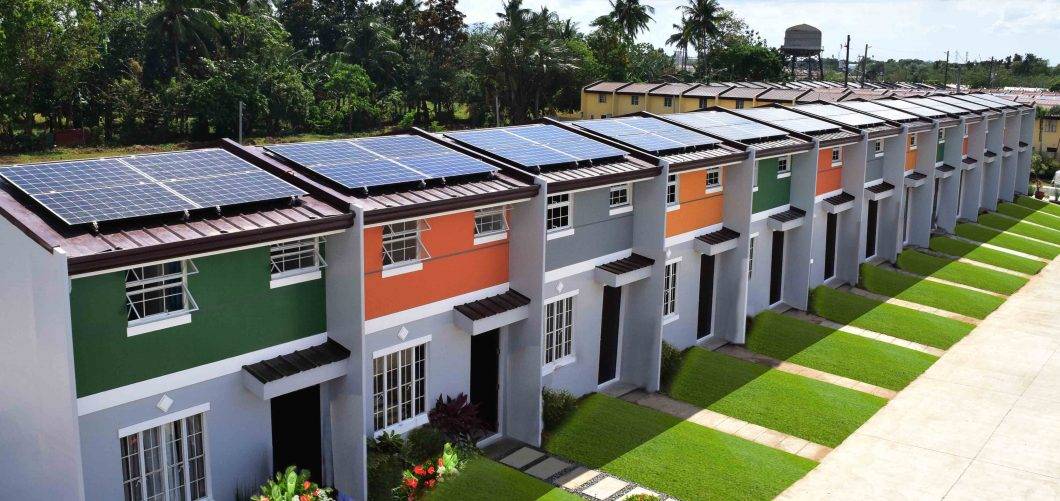
Sustainable Housing Projects in Asia: A Blueprint for a Greener Future
Word Count: Approximately 1500 words
Introduction
Asia, a continent characterized by its vast diversity, rapid urbanization, and burgeoning populations, stands at a critical juncture in addressing the global climate crisis. The unprecedented pace of development, coupled with increasing environmental degradation and resource scarcity, has underscored the urgent need for sustainable practices across all sectors, particularly in housing. Sustainable housing, often referred to as green building or eco-housing, is more than just an architectural trend; it is a holistic approach to designing, constructing, and operating homes that minimize environmental impact, enhance occupant well-being, and ensure long-term economic viability.
As the world’s most populous continent, Asia’s choices in urban development and housing will profoundly impact global sustainability efforts. From the sprawling megacities of China and India to the densely packed island nations like Singapore and Japan, the challenges are immense, ranging from land scarcity and affordability to vulnerability to climate change impacts such as rising sea levels and extreme weather events. However, these challenges have also spurred innovation, making Asia a vibrant laboratory for groundbreaking sustainable housing projects that offer valuable lessons and inspire global action.
This article delves into the imperative for sustainable housing in Asia, explores its core principles, highlights exemplary projects across the continent, examines the key drivers and enablers, addresses the significant challenges, and provides an outlook on the future of green living in this dynamic region.
The Imperative for Sustainable Housing in Asia
The urgency for sustainable housing in Asia is driven by several interconnected factors:
- Rapid Urbanization and Population Growth: Asia is home to over half of the world’s urban population, and this figure is projected to grow substantially in the coming decades. This rapid influx into cities creates immense pressure on existing infrastructure, leading to informal settlements, increased energy consumption, waste generation, and pollution. Sustainable housing offers a pathway to accommodate this growth responsibly.
- Climate Change Vulnerability: Many Asian countries, particularly those in coastal regions or low-lying areas (e.g., Bangladesh, Vietnam, the Philippines), are highly vulnerable to the impacts of climate change, including rising sea levels, more frequent and intense typhoons, heatwaves, and droughts. Sustainable housing designs incorporate resilience measures to withstand these threats.
- Resource Scarcity: Asia’s economic boom has put immense strain on natural resources, particularly energy and water. Conventional buildings are significant consumers of both. Sustainable housing, through energy efficiency, renewable energy integration, and water conservation, mitigates this strain.
- Air and Water Pollution: Poorly constructed and energy-inefficient buildings contribute to air pollution from power generation and water pollution from construction runoff and inadequate waste management. Green buildings aim to minimize these adverse effects.
- Economic Development and Affordability: While sustainability often comes with perceived higher upfront costs, the long-term operational savings (energy, water) make it economically viable. For developing nations in Asia, balancing sustainability with affordability for a large population remains a critical challenge and a key area for innovation.
Core Pillars of Sustainable Housing
Sustainable housing is built upon several fundamental principles that guide its design, construction, and operation:
- Energy Efficiency and Renewable Energy: This is perhaps the most recognized aspect. It involves optimizing building envelopes (insulation, high-performance windows), using energy-efficient appliances and lighting, and integrating renewable energy sources like solar panels (photovoltaic and thermal) and geothermal systems. Passive design strategies, such as optimizing natural ventilation and daylighting, are crucial to reduce reliance on mechanical heating and cooling.
- Water Conservation and Management: Strategies include rainwater harvesting, greywater recycling, low-flow fixtures, water-efficient landscaping, and smart irrigation systems. These significantly reduce potable water consumption.
- Sustainable Materials and Waste Reduction: Emphasizing the use of locally sourced, recycled, rapidly renewable, and low-embodied energy materials. Construction waste management, including recycling and minimizing landfill disposal, is also critical.
- Indoor Environmental Quality (IEQ): Focusing on occupant health and comfort through good ventilation, thermal comfort, natural light, and the use of low-VOC (Volatile Organic Compound) materials to ensure healthy indoor air quality.
- Site Selection and Urban Planning: Choosing sites that minimize environmental disruption, preserve natural habitats, and promote access to public transportation, green spaces, and community amenities. Integrated urban planning that fosters walkable, mixed-use communities is essential.
- Resilience and Adaptability: Designing homes to withstand local climate challenges (e.g., floods, earthquakes, extreme heat) and to adapt to changing environmental conditions over time.
- Social Equity and Affordability: Ensuring that sustainable housing is accessible and beneficial to all segments of society, including low-income communities, and promotes community well-being.
Exemplary Sustainable Housing Projects Across Asia
Asia showcases a diverse array of sustainable housing projects, ranging from large-scale government initiatives to community-led eco-villages, demonstrating innovative solutions tailored to local contexts.
1. Singapore: High-Rise Green Living
As a land-scarce city-state, Singapore is a global leader in integrating sustainable design into high-density urban living. Its Housing & Development Board (HDB) has pioneered several eco-friendly public housing projects.
- Punggol Eco-Town: Envisioned as Singapore’s first eco-town, Punggol incorporates a comprehensive suite of sustainable features. Buildings are designed with north-south orientation for optimal wind flow and minimal sun exposure, reducing heat gain. Extensive green roofs, rainwater harvesting systems, solar panels, and pneumatic waste conveyance systems are standard. Projects like Treelodge@Punggol boast features like centralized solar hot water, a smart lighting system in common areas, and green corridors that enhance biodiversity.
- Skyville @ Dawson: This award-winning public housing project exemplifies vertical greenery and community spaces. It features sky gardens, naturally ventilated corridors, and a comprehensive waste management system. Its design prioritizes natural light and ventilation, significantly reducing energy consumption.
2. Japan: Smart and Resilient Homes
Japan, a highly developed nation prone to natural disasters, focuses on advanced technology, energy efficiency, and resilience in its sustainable housing.
- Net Zero Energy Houses (ZEH): The Japanese government has aggressively promoted ZEHs, aiming for them to be the standard for new homes by 2030. These homes combine high insulation, energy-efficient equipment, and renewable energy generation (primarily solar PV) to achieve a net-zero annual energy consumption.
- Fujisawa Sustainable Smart Town (FSST): Developed by Panasonic, this project is a living laboratory for sustainable urban development. While not solely housing, its residential units integrate smart home energy management systems (HEMS), solar panels, fuel cells, and electric vehicle charging infrastructure, aiming for a 70% reduction in CO2 emissions and a 30% reduction in water consumption compared to 1990 levels.
3. South Korea: Green Cities and High-Tech Solutions
South Korea is another Asian powerhouse in technology-driven sustainable development, with a strong focus on smart cities and green building certifications.
- Seoul Housing & Communities Corporation (SHCC) Projects: SHCC has developed various sustainable public housing projects that incorporate green roofs, geothermal heating and cooling systems, rainwater harvesting, and highly efficient insulation. They often integrate smart home technologies for energy monitoring and optimization.
- Sejong City: Designed as South Korea’s administrative capital, Sejong is a prime example of a green and smart city. Its residential areas emphasize green infrastructure, public transportation, and buildings designed to meet stringent energy efficiency standards, often incorporating renewable energy and waste-to-energy systems.
4. China: Scaling Up Green Building
As the world’s largest emitter and fastest-growing economy, China’s commitment to sustainable housing has massive global implications. The government has aggressively pushed green building standards and certifications.
- Xiong’an New Area: Envisioned as a "city of the future," Xiong’an aims to be a model for green, innovative, and livable urban development. Housing within this area is designed to meet high green building standards, emphasizing energy efficiency, renewable energy, and extensive green spaces.
- Various Green Building Certifications: China has its own comprehensive green building rating system, "Three-Star Green Building Rating System," which is being applied to a rapidly increasing number of projects, ranging from residential complexes to large-scale urban developments.
5. India: Balancing Scale, Cost, and Sustainability
India faces the immense challenge of providing affordable, sustainable housing for its massive and growing population. Innovation often focuses on passive design, local materials, and cost-effectiveness.
- TERI (The Energy and Resources Institute) Initiatives: TERI has been instrumental in promoting green building concepts in India, developing its own rating system (GRIHA – Green Rating for Integrated Habitat Assessment) and constructing model green buildings and affordable housing projects that utilize passive solar design, natural ventilation, and local materials like fly-ash bricks.
- "Cool Roofs" and Bioclimatic Architecture: Across India, particularly in warmer regions, projects are adopting cool roof technologies (reflective coatings, green roofs) and traditional bioclimatic architectural principles to reduce indoor temperatures without relying heavily on air conditioning. Affordable housing projects are increasingly incorporating these elements to reduce energy bills for residents.
6. Southeast Asia: Resilience and Local Materials
Countries like Indonesia, the Philippines, Vietnam, and Malaysia, highly vulnerable to climate change impacts and often with abundant natural resources, are focusing on resilient designs and local, sustainable materials.
- Bamboo Housing: In regions like the Philippines and Indonesia, bamboo is emerging as a highly sustainable and resilient building material. Projects like the Green School Bali (though not strictly housing, it inspires residential design) demonstrate the aesthetic and structural potential of bamboo. Organizations are developing disaster-resilient bamboo homes that can withstand typhoons and earthquakes.
- Elevated Housing and Passive Design for Flood Resilience: In flood-prone areas, housing is being designed with elevated foundations and robust, water-resistant materials. Passive design strategies like cross-ventilation and shading are crucial for thermal comfort in tropical climates, reducing the need for energy-intensive air conditioning.
Key Drivers and Enablers
The growth of sustainable housing in Asia is fueled by several critical factors:
- Government Policies and Regulations: Strong governmental support through mandates, building codes, incentives (tax breaks, subsidies), and green building certification programs (e.g., Singapore’s Green Mark, India’s GRIHA, China’s Three-Star) is perhaps the most significant driver.
- Technological Innovation: Advances in renewable energy, smart home technology, energy-efficient appliances, and sustainable materials make green building more feasible and cost-effective.
- Financial Mechanisms: Green mortgages, green bonds, and investment funds dedicated to sustainable infrastructure are making it easier for developers and homeowners to finance green projects.
- Public Awareness and Demand: Growing environmental consciousness among the populace, coupled with a desire for healthier and more cost-effective living spaces, is increasing the market demand for sustainable homes.
- International Collaboration: Knowledge sharing, technical assistance, and funding from international organizations and developed nations help transfer best practices and accelerate sustainable development in the region.
Challenges and Hurdles
Despite the progress, sustainable housing in Asia faces significant challenges:
- High Upfront Costs: While long-term savings are clear, the initial investment for sustainable materials, technologies, and specialized design can be higher, posing a barrier for developers and homeowners, especially in developing economies.
- Lack of Awareness and Skilled Labor: There’s often a knowledge gap among consumers about the benefits of green homes and a shortage of skilled labor (architects, engineers, construction workers) trained in green building techniques.
- Policy Implementation Gaps: Even with robust policies, enforcement and monitoring can be weak, leading to non-compliance or greenwashing.
- Land Scarcity and Rapid Urbanization Pressure: The intense pressure to build quickly and densely in urban areas can sometimes override sustainable planning principles.
- Affordability for Low-Income Groups: Integrating sustainability features into truly affordable housing solutions for the urban poor remains a major challenge.
- Cultural Resistance: In some contexts, traditional building practices or aesthetic preferences may conflict with modern sustainable designs.
Future Outlook and Recommendations
The future of sustainable housing in Asia is one of immense potential and necessity. To accelerate its adoption and impact, several key areas need focus:
- Scaling Up Best Practices: Replicating successful pilot projects across entire cities and regions.
- Integrated Urban Planning: Moving beyond individual buildings to design entire sustainable communities and cities that prioritize green infrastructure, public transport, and mixed-use development.
- Focus on Resilience: Given Asia’s vulnerability to climate change, integrating disaster-resilient design into all new housing, particularly for vulnerable communities.
- Innovation in Affordability: Developing cost-effective sustainable solutions, including modular construction, local material utilization, and smart financing models, to make green homes accessible to all income levels.
- Strengthening Policy and Enforcement: Governments must continue to lead with ambitious policies, provide clear regulatory frameworks, and ensure rigorous enforcement.
- Education and Capacity Building: Investing in training programs for professionals and public awareness campaigns to foster a culture of sustainability.
- Leveraging Digital Transformation: Utilizing smart city technologies, AI, and IoT for optimizing energy and water use, waste management, and enhancing occupant comfort in sustainable homes.
Conclusion
Sustainable housing in Asia is not merely an environmental imperative but a foundational element for the continent’s long-term social and economic prosperity. From the high-tech green skyscrapers of Singapore and Japan to the innovative, low-cost solutions in India and Southeast Asia, the region is demonstrating remarkable ingenuity in confronting its unique challenges. While significant hurdles remain, the momentum towards greener, more resilient, and healthier homes is undeniable. By fostering stronger collaboration, embracing innovation, and prioritizing holistic, people-centric approaches, Asia can continue to lead the way in building a sustainable future, one home at a time. The choices made today in Asian housing will echo globally, shaping the trajectory of our planet’s environmental health for generations to come.