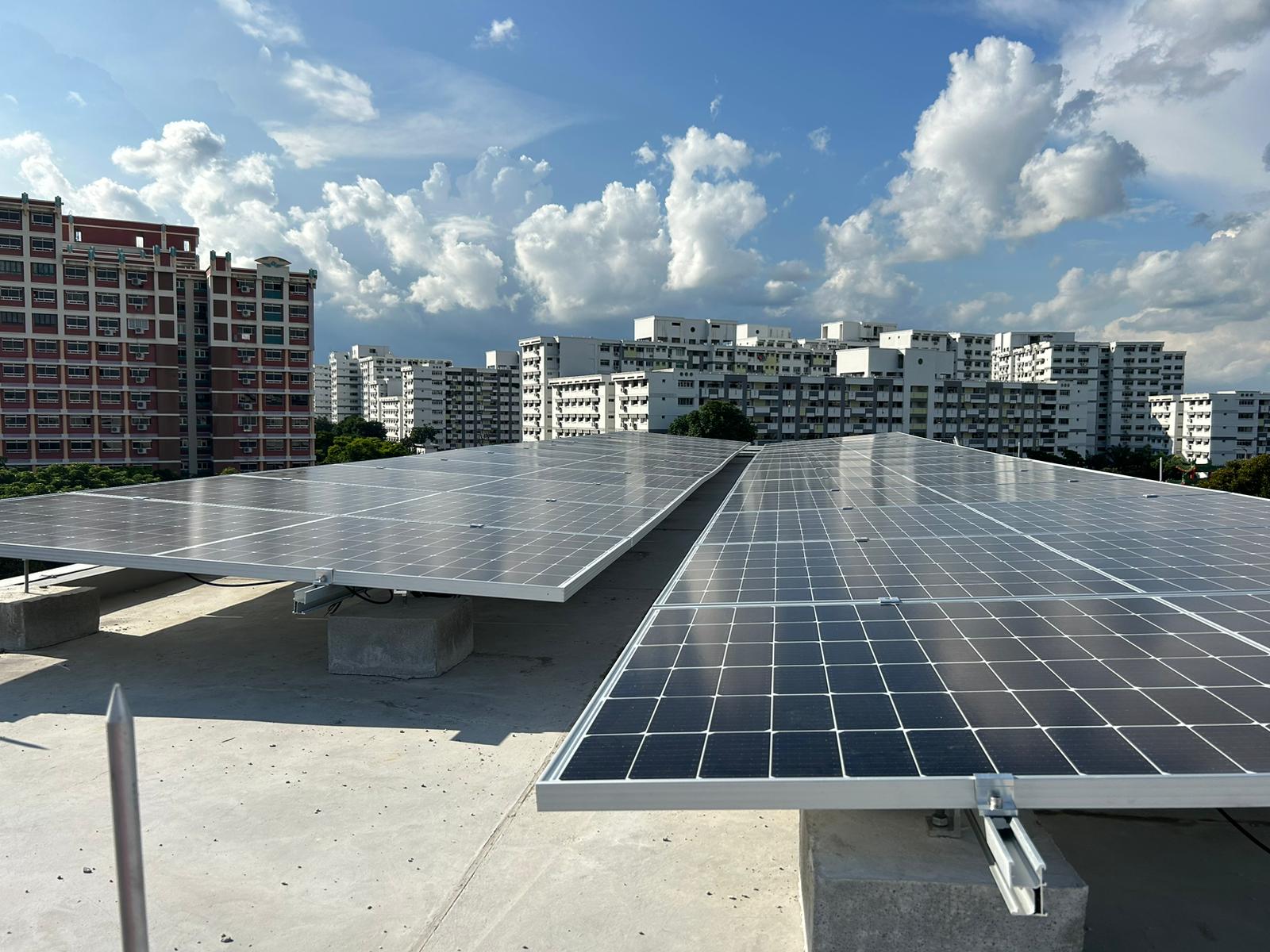
The Bright Side of Savings: Unpacking Solar Panel Installation Costs in Singapore
Singapore, a bustling metropolis known for its innovative spirit and commitment to sustainability, is increasingly turning its gaze towards the sun for its energy needs. With ambitious targets outlined in the Singapore Green Plan 2030, solar energy is not just an environmental imperative but a practical economic choice for many households and businesses. However, one of the most common questions for prospective adopters remains: "How much does solar panel installation in Singapore cost?"
This comprehensive article aims to demystify the financial landscape of going solar in Singapore. We will delve into the various factors influencing costs, provide estimated price ranges for different property types, explore available incentives, and discuss the long-term return on investment, equipping you with the knowledge to make an informed decision.
Why Go Solar in Singapore? A Compelling Case
Before diving into the numbers, it’s crucial to understand why solar power is such an attractive proposition in the Lion City:
- High Electricity Prices: Singapore has some of the highest electricity tariffs in Southeast Asia, with prices fluctuating but generally on an upward trend. Generating your own power significantly hedges against these rising costs.
- Abundant Sunshine: Located near the equator, Singapore enjoys consistent and strong solar irradiance throughout the year, making it an ideal location for photovoltaic (PV) systems.
- Government Push for Sustainability: The government actively promotes solar adoption through various initiatives, aiming to deploy at least 2 GWp (gigawatt-peak) of solar power by 2030, enough to power around 350,000 households annually.
- Environmental Benefits: Reducing reliance on fossil fuels helps lower Singapore’s carbon footprint, contributing to a cleaner, greener future.
- Increased Property Value: Homes equipped with solar panels often see an increase in property value, making them more attractive to environmentally conscious buyers.
- Energy Independence and Resilience: Generating your own power reduces dependence on the grid, offering greater energy security, especially during peak demand or potential outages.
Understanding the Components of a Solar PV System and Their Cost Impact
The total cost of a solar PV system isn’t just about the panels themselves. It’s an integrated system, and the quality and type of each component significantly impact the overall price and long-term performance.
- Solar Panels (Modules): These are the most visible part of the system.
- Types: Monocrystalline panels are generally more efficient (and thus more expensive per panel) and perform better in low light conditions, while polycrystalline panels are slightly less efficient but more cost-effective. Thin-film panels are less common for residential use due to lower efficiency.
- Efficiency: Higher efficiency panels mean you need fewer panels to generate the same amount of power, which is crucial in space-constrained Singapore.
- Brand: Reputable brands (e.g., LG, SunPower, REC, JinkoSolar, Trina Solar) often come with longer warranties and better performance guarantees, justifying a higher price.
- Inverter: This crucial device converts the DC (direct current) electricity generated by the panels into AC (alternating current) electricity usable by your home appliances and the grid.
- String Inverters: Most common, connecting multiple panels in a "string." Cost-effective but a single point of failure can affect the entire string, and shading on one panel can reduce output for all.
- Microinverters: Installed under each panel, converting DC to AC individually. More expensive but optimize each panel’s output independently, offer panel-level monitoring, and are safer.
- Hybrid Inverters: Allow for battery storage integration, making them future-proof but also more expensive.
- Brand and Warranty: Reputable inverter brands (e.g., Fronius, SolarEdge, Huawei, Enphase) offer better efficiency and longer warranties.
- Mounting System/Racking: This secures the panels to your roof.
- Material: High-quality aluminum or stainless steel is essential for durability and resistance to Singapore’s humid climate.
- Roof Type: Different mounting systems are required for tiled roofs, metal roofs, or flat concrete roofs, influencing complexity and cost.
- Design: The angle and orientation of the panels are optimized for maximum sun exposure, which can impact the complexity of the racking.
- Cabling and Electrical Components: High-quality wiring, conduits, circuit breakers, and isolators are essential for safety, efficiency, and longevity. These must meet stringent Singaporean electrical codes.
- Monitoring System: Most modern systems come with monitoring capabilities (often via an app) to track energy production and consumption, allowing you to optimize usage and identify any issues.
- Battery Storage (Optional): While not typically included in the base installation cost, battery storage allows you to store excess solar energy for use at night or during cloudy days, further enhancing energy independence. This is a significant additional cost but offers greater resilience.
Factors Influencing Solar Panel Installation Costs in Singapore
The price tag for a solar PV system is highly variable, depending on several key factors:
- System Size (kWp): This is the most significant determinant of cost. System size is typically determined by your household’s electricity consumption and available roof space. Larger systems generally have a lower cost per kWp due to economies of scale.
- Residential systems typically range from 3 kWp to 15 kWp.
- Commercial/Industrial systems can range from 50 kWp to several MWp.
- Type of Property:
- HDB Flats: For HDB residents, the primary pathway to solar is through the SolarNova programme, led by HDB and the Singapore Economic Development Board (EDB). Under SolarNova, large clusters of HDB blocks are tendered out to solar developers. Residents typically do not pay upfront for the installation; instead, they purchase electricity generated by the panels at a rate lower than SP Group’s tariff. This model significantly reduces the financial barrier for HDB residents, making it a "pay-as-you-use" or "subscription" model rather than an upfront installation cost.
- Landed Homes: Homeowners in landed properties have the flexibility to choose their own installers and system configurations. Costs are typically higher upfront compared to HDB’s SolarNova model but offer direct ownership and greater control.
- Commercial and Industrial (C&I) Properties: These often involve larger, more complex installations. While the per-kWp cost might be lower due to scale, the total project cost can be substantial. Various financing models, including Power Purchase Agreements (PPAs) where a third party owns and maintains the system, are common for C&I.
- Panel Efficiency and Brand: As mentioned, premium, high-efficiency panels from top-tier brands will cost more but may offer better performance and longer lifespan, especially in limited roof space scenarios.
- Inverter Type: Microinverters are more expensive than string inverters but offer benefits like panel-level optimization and monitoring.
- Roof Complexity and Condition:
- Pitch and Accessibility: Steep or difficult-to-access roofs increase labor costs.
- Shading: If parts of the roof are frequently shaded by trees or adjacent buildings, specialized optimizers or microinverters might be needed, adding to the cost.
- Roof Age and Material: Older roofs might require repairs or reinforcement before installation, adding to the expense. Different materials (e.g., fragile tiles vs. robust metal) also affect installation complexity.
- Installation Labor and Expertise: Highly skilled and experienced installers who adhere to strict safety standards and local regulations (BCA, EMA, SP Group) will command higher prices. Their expertise is crucial for optimal system performance and longevity.
- Permitting and Grid Connection Fees: There are administrative costs associated with obtaining necessary permits from authorities like the Building and Construction Authority (BCA), the Energy Market Authority (EMA), and connecting to the SP Group grid. These are usually handled by the installer but are factored into the total cost.
- Warranty and After-Sales Support: Comprehensive warranties (product, performance, workmanship) and good after-sales service from the installer can add to the initial cost but provide peace of mind and long-term savings.
Typical Cost Ranges for Solar Panel Installation in Singapore
It’s important to stress that these are estimated figures and actual costs can vary significantly based on the factors listed above. Always obtain multiple detailed quotes from reputable installers.
General Cost per kWp (Landed/Commercial):
For privately owned landed homes and commercial properties, the upfront cost typically ranges from S$3,000 to S$5,000 per kWp (kilowatt-peak) for a fully installed, grid-tied system. This includes panels, inverter, mounting, wiring, labor, permitting, and grid connection.
Estimated Total Costs by Property Type (Upfront Purchase):
-
Landed Homes:
- Small System (e.g., 3 kWp – 5 kWp): Suitable for smaller homes or those with moderate electricity consumption.
- Estimated Cost: S$12,000 to S$25,000
- Medium System (e.g., 6 kWp – 10 kWp): Common for average-sized landed homes.
- Estimated Cost: S$24,000 to S$45,000
- Large System (e.g., 10 kWp – 15 kWp+): For larger homes, high energy users, or those aiming for near net-zero energy.
- Estimated Cost: S$40,000 to S$70,000+
- Note: Costs at the higher end of the range usually reflect premium panels, microinverters, complex roof installations, or extensive warranties.
- Small System (e.g., 3 kWp – 5 kWp): Suitable for smaller homes or those with moderate electricity consumption.
-
HDB Flats:
- As explained, HDB residents typically do not pay an upfront installation cost. Instead, they participate in the SolarNova program and pay for the solar-generated electricity at a discounted rate, which is lower than the prevailing SP Group tariff. This effectively means savings from day one without a large initial outlay. The long-term costs are embedded in their monthly utility bills.
-
Commercial and Industrial Properties:
- Costs can vary wildly depending on the scale. For a 100 kWp system, you might expect to pay in the range of S$300,000 to S$450,000. However, due to economies of scale, very large systems (e.g., 1 MWp) might see a per kWp cost closer to S$2,500 – S$3,500. Many businesses opt for PPAs to avoid the upfront capital expenditure.
Government Incentives and Financial Schemes
Unlike some countries, Singapore does not offer direct cash grants for residential solar panel installations. However, there are significant indirect incentives and financing options:
- Net Metering (Enhanced Central Interconnection Point – ECIP): SP Group’s net metering scheme allows solar owners to export excess electricity generated back to the national grid. You are credited for this exported energy, offsetting your consumption from the grid. This is a critical component of the financial viability of solar in Singapore.
- Green Loans: Several banks in Singapore offer "green loans" or "sustainability loans" with preferential interest rates for eco-friendly home improvements, including solar panel installations. These can make the upfront cost more manageable.
- SolarNova Programme (for HDB): This is the flagship program for HDB blocks and other government agencies. It aggregates demand for solar, allowing for bulk tenders and lower costs for the overall deployment, which translates to savings for HDB residents on their utility bills.
- Investment Allowances (for Commercial/Industrial): Businesses investing in energy-efficient equipment, including solar PV systems, may be eligible for investment allowances under the Income Tax Act, allowing them to deduct the cost of the equipment against their taxable income over a shorter period.
- Clean Energy Grant (for Non-Residential): For certain non-residential buildings (e.g., private institutions, NGOs), grants might occasionally be available for energy efficiency or renewable energy projects, though these are typically project-specific and competitive.
Return on Investment (ROI) and Payback Period
The ROI for solar panels in Singapore is compelling, primarily driven by high electricity tariffs and the net metering scheme.
- Typical Payback Period (Landed Homes): For landed homeowners, the payback period (the time it takes for your energy savings to equal the initial investment) is generally estimated to be between 5 to 8 years. This can vary based on system size, electricity consumption, system performance, and future electricity price hikes.
- Long-Term Savings: After the payback period, the electricity generated by your panels is essentially "free" for the system’s lifespan, which is typically 20-25 years (panels often come with a 25-year performance warranty). Over this period, significant savings can be accumulated, potentially exceeding S$50,000 – S$100,000 for a medium-sized residential system.
- Increased Property Value: While harder to quantify precisely, a solar-equipped home is a more attractive asset, contributing to its resale value.
- Hedge Against Inflation: Solar energy provides a hedge against future electricity price increases, offering long-term financial stability.
Choosing a Reliable Solar Installer
Selecting the right installer is as crucial as the system itself. A good installer ensures optimal performance, safety, and longevity of your investment. Look for:
- Accreditation and Licensing: Ensure the installer is licensed by the Energy Market Authority (EMA) and adheres to Building and Construction Authority (BCA) standards.
- Experience and Track Record: Look for installers with a proven history of successful installations in Singapore, ideally with projects similar to yours.
- Comprehensive Warranties: Demand robust warranties for panels (product and performance), inverters, and workmanship.
- Detailed Quotations: A reputable installer will provide a transparent, itemized quote detailing all components, labor, permitting fees, and estimated energy production.
- Customer Reviews and References: Check online reviews and ask for references from previous clients.
- After-Sales Support: Inquire about maintenance packages, monitoring services, and responsiveness to issues.
The Future of Solar in Singapore
Singapore’s commitment to solar power is unwavering. Continuous advancements in solar technology, coupled with the government’s supportive policies, are expected to further drive down costs and improve efficiency. Integration with smart home technologies, battery storage, and even electric vehicle charging infrastructure will likely become more commonplace, making solar an even more integral part of Singapore’s energy mix.
Conclusion
Investing in solar panel installation in Singapore is a significant financial decision, but one that offers compelling long-term benefits. While upfront costs for landed and commercial properties can range from S$12,000 to over S$70,000 (and much more for large commercial projects), the typical payback period of 5-8 years, coupled with substantial savings over the system’s 20-25 year lifespan, makes it a sound investment. For HDB residents, the SolarNova program provides an accessible and cost-effective pathway to enjoy the benefits of solar energy without the upfront financial burden.
As Singapore continues its journey towards a sustainable future, harnessing the power of the sun is not just an environmentally responsible choice, but an increasingly smart financial one. By understanding the cost factors, exploring available schemes, and choosing a reputable installer, you can confidently make the switch to solar and enjoy the bright side of energy independence and savings for decades to come. Get multiple quotes, do your due diligence, and take the first step towards a greener, more economical future.