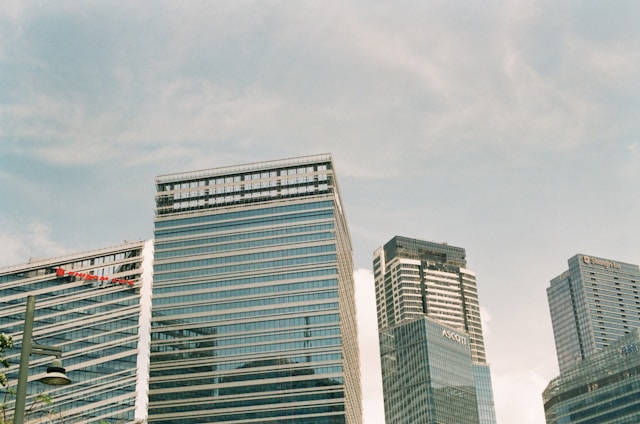
The Golden Horizons: Best Cities to Invest in Property in Asia
Asia, a continent of unparalleled economic dynamism and diverse cultures, continues to captivate global investors. Its burgeoning middle class, rapid urbanization, and proactive governmental policies have transformed it into a powerhouse for real estate investment. From established financial hubs to rapidly emerging markets, the opportunities are vast and varied. However, navigating this complex landscape requires a discerning eye, an understanding of local nuances, and a strategic approach. This comprehensive article delves into the best cities in Asia for property investment, exploring the underlying factors that drive their appeal and the unique opportunities they present.
Why Asia? The Macro-Economic Drivers
Before spotlighting individual cities, it’s crucial to understand the overarching factors that make Asian property markets so attractive:
- Sustained Economic Growth: Many Asian economies consistently outperform global averages, leading to increased wealth, higher disposable incomes, and a greater demand for both residential and commercial properties.
- Rapid Urbanization: Millions of people are migrating from rural areas to cities in search of better economic opportunities, fueling demand for housing, infrastructure, and commercial spaces.
- Demographic Dividend & Rising Middle Class: A young, growing population coupled with an expanding middle class signifies a strong consumer base and a long-term demand for quality real estate.
- Infrastructure Development: Governments across Asia are investing heavily in transportation networks, smart city initiatives, and digital infrastructure, which enhances property values and connectivity.
- Foreign Direct Investment (FDI): Many countries actively encourage foreign investment, creating a more favorable and transparent environment for international property buyers.
- Diversification Benefits: Asian real estate offers diversification benefits for global portfolios, often exhibiting different market cycles and risk profiles compared to Western markets.
Key Factors for Identifying Investment-Worthy Cities
When evaluating cities for property investment, several critical factors come into play:
- Economic Stability & Growth Prospects: A robust economy with a positive outlook ensures sustained demand and capital appreciation.
- Infrastructure & Connectivity: Well-developed transport, utilities, and digital infrastructure are vital for livability and business.
- Population Dynamics: Growing populations, particularly a young and skilled workforce, drive rental demand and long-term value.
- Government Policies & Regulatory Environment: Investor-friendly policies, clear foreign ownership laws, and a stable political climate are crucial.
- Rental Yields & Capital Appreciation Potential: A balance between steady income generation and long-term value growth is ideal.
- Quality of Life & Lifestyle Amenities: Cities with good healthcare, education, green spaces, and cultural attractions attract talent and residents.
- Market Liquidity & Transparency: The ease of buying and selling property, coupled with clear market data, reduces investment risk.
Spotlight on Asia’s Top Property Investment Cities
Here’s a curated list of cities that stand out as prime locations for property investment in Asia, each offering a unique value proposition:
1. Singapore: The Resilient Safe Haven
Often referred to as the "Switzerland of Asia," Singapore is a global financial hub renowned for its political stability, transparent legal system, and world-class infrastructure. Despite its high property values, it remains a top choice for discerning investors seeking long-term capital preservation and appreciation.
- Strengths: Strong economic fundamentals, strategic global location, excellent quality of life, robust regulatory framework, high demand from HNWIs and expatriates.
- Investment Opportunities: Luxury residential (condominiums in prime districts like Orchard Road, Marina Bay), high-grade commercial offices, industrial and logistics properties (driven by its status as a trade hub), and niche sectors like data centers.
- Outlook: While property cooling measures can impact short-term gains, Singapore’s long-term appeal as a global city and wealth management hub remains undiminished. Its focus on sustainability and smart city initiatives further bolsters its future prospects.
2. Tokyo, Japan: Stability and Global Appeal
Japan’s capital city offers a unique blend of stability, a massive domestic market, and global appeal. With a highly transparent real estate market and low interest rates, Tokyo consistently ranks among the most attractive cities for property investment.
- Strengths: World’s third-largest economy, political stability, low crime rate, advanced infrastructure, strong tourism sector, high demand for rental properties, particularly in central business districts.
- Investment Opportunities: Residential properties (apartments in central wards like Shibuya, Shinjuku, Minato), commercial offices (especially in new developments), hospitality (driven by tourism), and logistics properties. The depreciated Yen can also offer attractive entry points for foreign investors.
- Outlook: Despite demographic challenges, Tokyo’s status as a global financial and cultural center, coupled with ongoing urban redevelopment projects, ensures sustained property demand.
3. Seoul, South Korea: Tech Hub with Cultural Resonance
Seoul, the vibrant capital of South Korea, is a global leader in technology, innovation, and culture. Its robust economy, high quality of life, and increasing international recognition make it an attractive destination for property investors.
- Strengths: Dynamic economy driven by tech giants (Samsung, LG, Hyundai), excellent public transport, strong demand from a young, affluent population, growing global cultural influence (K-pop, K-drama).
- Investment Opportunities: Residential apartments (especially in popular districts like Gangnam, Hongdae, Hannam-dong), commercial properties catering to the tech and creative industries, and student housing.
- Outlook: The government’s efforts to curb speculation have led to a more stable market. Seoul’s continued growth as a global innovation hub and cultural trendsetter promises long-term property value appreciation.
4. Shanghai, China: Gateway to a Giant Economy
As China’s economic powerhouse and a major global financial center, Shanghai offers immense potential for property investors. Its rapid urbanization, massive population, and continuous infrastructure development fuel a dynamic real estate market.
- Strengths: Robust economic growth, large and growing middle class, extensive infrastructure, international business hub, strong rental demand from both locals and expatriates.
- Investment Opportunities: High-end residential properties (in Pudong, Puxi), Grade A commercial offices, retail spaces in prime shopping districts, and logistics/industrial properties (driven by its port status).
- Outlook: While government regulations on foreign ownership and market cooling measures can pose challenges, Shanghai’s strategic importance within China’s economy ensures its long-term allure for property investors. Investors should focus on properties with strong underlying demand and solid fundamentals.
5. Bangkok, Thailand: Tourism Magnet and Regional Hub
Bangkok, the bustling capital of Thailand, combines affordability with high rental yields and a booming tourism industry. Its strategic location in Southeast Asia and continuous infrastructure development make it a compelling investment choice.
- Strengths: Robust tourism sector, affordable property prices compared to other Asian hubs, strong rental demand (especially from expatriates and tourists), improving public transportation (BTS Skytrain, MRT subway), growing medical tourism.
- Investment Opportunities: Condominiums in central business districts (Sukhumvit, Silom-Sathorn), serviced apartments, boutique hotels, and retail spaces. Emerging areas along new mass transit lines also offer good prospects.
- Outlook: Political stability remains a key consideration, but Bangkok’s enduring appeal as a tourist destination and a regional economic hub provides a solid foundation for property investment.
6. Kuala Lumpur, Malaysia: Affordable Entry Point with Growth Potential
Kuala Lumpur offers a more affordable entry point into the Asian property market compared to its regional counterparts, while still boasting modern infrastructure and a diverse economy.
- Strengths: Relatively affordable property prices, strong government support for infrastructure (e.g., MRT expansion, High-Speed Rail to Singapore in future), growing expatriate community, a vibrant multicultural environment.
- Investment Opportunities: High-rise residential condominiums (especially in areas like KLCC, Mont Kiara, Bangsar), commercial offices (driven by the financial and services sectors), and student accommodation.
- Outlook: The market has seen some oversupply in recent years, but strategic investments in well-located properties with good amenities can yield strong returns. The government’s Malaysia My Second Home (MM2H) program also attracts foreign retirees and investors.
7. Ho Chi Minh City, Vietnam: The Rising Star
Vietnam’s largest city, Ho Chi Minh City (HCMC), is one of Southeast Asia’s fastest-growing economies. Its young population, rapid urbanization, and increasing foreign investment are driving an incredibly dynamic property market.
- Strengths: High GDP growth, young and ambitious workforce, rapid urbanization, increasing foreign direct investment, improving infrastructure (e.g., metro line development).
- Investment Opportunities: Mid-to-high end residential apartments (especially in Thu Thiem, District 2, District 7), commercial spaces, and industrial properties (driven by manufacturing and logistics).
- Outlook: While the market can be more volatile and regulations are evolving, HCMC offers significant capital appreciation potential for long-term investors willing to navigate an emerging market. Foreign ownership regulations have become more favorable, but still require careful understanding.
8. Mumbai, India: Economic Powerhouse with Untapped Potential
As India’s financial capital and one of the world’s most populous cities, Mumbai presents a vast and complex property market. Its immense economic activity and continuous population growth underscore its long-term potential.
- Strengths: India’s robust economic growth, massive population and ongoing urbanization, status as a financial and entertainment hub, significant infrastructure projects underway (e.g., coastal road, metro expansion, Navi Mumbai International Airport).
- Investment Opportunities: High-end residential properties (especially in South Mumbai, Bandra, Worli), commercial offices (in Bandra-Kurla Complex, Lower Parel), and retail spaces.
- Outlook: The Mumbai market is characterized by high prices and complex regulations, but for investors with a long-term horizon and local expertise, the sheer scale of demand and economic activity promises substantial returns. The affordable housing segment also presents a large, underserviced market.
Risks and Challenges in Asian Property Investment
While the opportunities are compelling, investors must be aware of potential risks:
- Market Volatility & Bubbles: Some rapidly growing markets can experience price bubbles, leading to corrections.
- Regulatory Changes: Governments may introduce new policies (e.g., foreign ownership restrictions, cooling measures, taxes) that impact property values and rental yields.
- Currency Fluctuations: Exchange rate movements can affect investment returns, especially for foreign investors.
- Geopolitical Risks: Political instability or regional tensions can deter investment.
- Lack of Transparency: Some emerging markets may lack the transparency and robust legal frameworks found in more developed economies.
- Over-supply: Rapid development can sometimes lead to an oversupply in certain property segments, impacting rental yields and capital appreciation.
Strategic Considerations for Investors
To maximize success in Asian property investment:
- Conduct Thorough Due Diligence: Research local market conditions, legal frameworks, and developer reputations meticulously.
- Seek Local Expertise: Engage with reputable local real estate agents, lawyers, and consultants who understand the intricacies of the market.
- Adopt a Long-Term Perspective: Real estate investment, particularly in dynamic Asian markets, often yields the best returns over a longer horizon.
- Diversify Your Portfolio: Spread investments across different cities, property types, or even countries to mitigate risk.
- Understand Foreign Ownership Laws: Each country has specific rules regarding foreign property ownership, which can vary widely.
- Monitor Economic and Political Developments: Stay informed about macroeconomic trends, government policies, and geopolitical events that could impact your investment.
Conclusion
Asia’s property markets offer a treasure trove of opportunities for investors willing to do their homework. From the stability and sophistication of Singapore and Tokyo to the high-growth potential of Ho Chi Minh City and Mumbai, the continent presents a diverse spectrum of choices. The underlying drivers of economic growth, urbanization, and a burgeoning middle class are set to continue fueling demand for years to come. By carefully evaluating the unique strengths and challenges of each city, understanding local regulations, and adopting a strategic, long-term approach, investors can unlock significant value and secure their position in the golden horizons of Asian real estate. As with any investment, prudence, informed decision-making, and professional guidance are paramount to success.