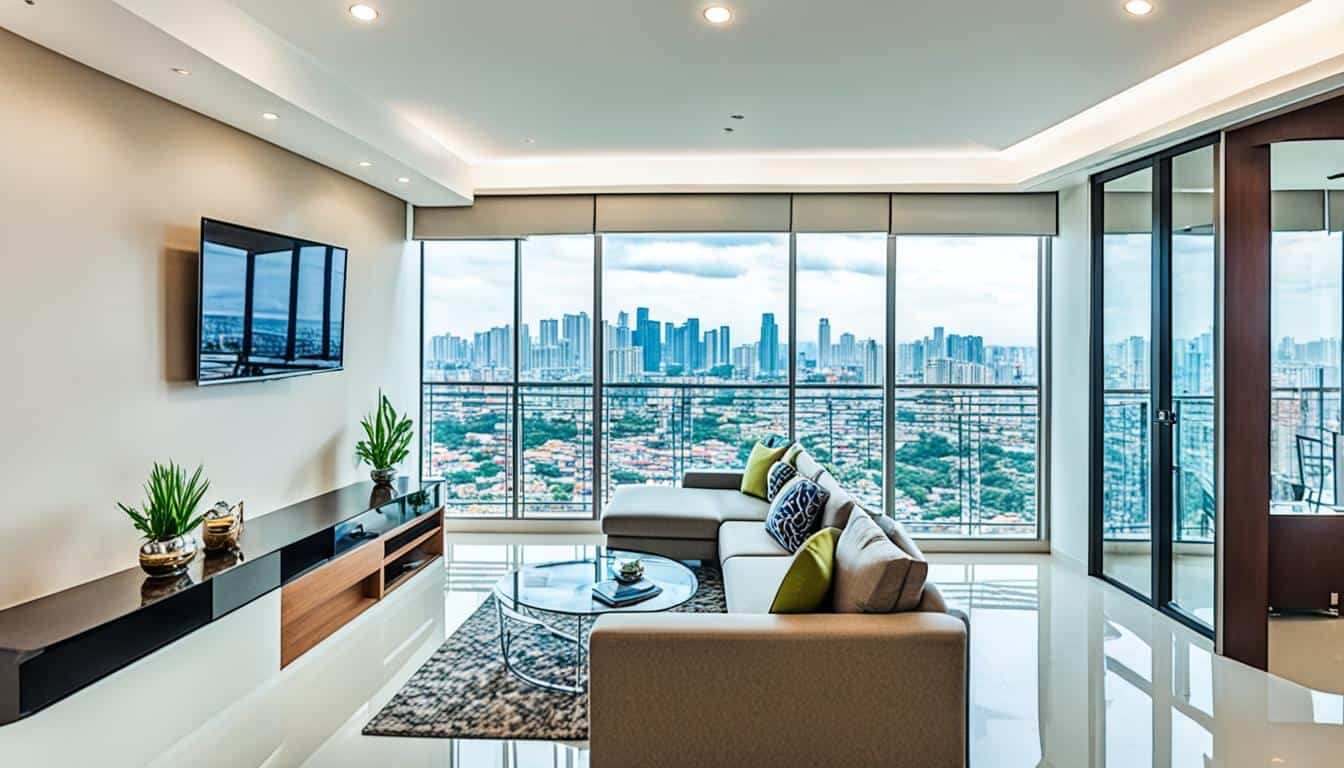
The Philippines Condo Investment for Rental: A Comprehensive Guide for Astute Investors
The Philippines, an archipelago nation renowned for its pristine beaches, vibrant culture, and warm hospitality, has rapidly emerged as one of Southeast Asia’s most promising real estate markets. Driven by robust economic growth, a burgeoning middle class, a booming tourism sector, and significant infrastructure development, the country presents compelling opportunities for investors looking to capitalize on the rental income potential of condominium units.
However, like any investment, navigating the Philippine real estate landscape requires thorough understanding, careful planning, and an awareness of both its lucrative prospects and inherent challenges. This comprehensive guide delves into the intricacies of investing in Philippine condos for rental purposes, offering insights for both local and international investors.
1. Why Invest in the Philippines’ Rental Condo Market?
Several macro and microeconomic factors converge to make the Philippines an attractive destination for real estate investment, particularly in the rental sector:
- Robust Economic Growth: The Philippines has consistently posted strong GDP growth rates over the past decade, often outperforming many of its regional peers. This sustained growth translates into increased purchasing power, a growing middle class, and higher demand for quality housing and rental properties, especially in urban centers.
- Demographic Dividend: With a young and rapidly expanding population (median age around 25), the Philippines benefits from a significant demographic dividend. This young workforce fuels demand for urban living, driving both homeownership aspirations and, crucially, the need for rental accommodations for young professionals and families.
- Booming Business Process Outsourcing (BPO) Industry: The BPO sector is a major economic engine, employing millions and attracting significant foreign direct investment. BPO hubs in Metro Manila (e.g., Makati, BGC, Ortigas, Quezon City), Cebu, and Davao create a massive tenant pool of well-paid professionals seeking convenient, modern housing near their workplaces.
- Thriving Tourism Sector: The Philippines’ natural beauty and cultural richness attract millions of tourists annually. This fuels demand for short-term rental accommodations (e.g., Airbnb), particularly in key tourist destinations and urban gateways, offering investors higher potential yields compared to long-term leases.
- Overseas Filipino Workers (OFW) Remittances: Remittances from OFWs contribute significantly to the Philippine economy, bolstering consumer spending and often funding real estate purchases for their families, further stimulating the housing market.
- Infrastructure Development: The government’s "Build, Build, Build" program is dramatically improving connectivity through new roads, railways, airports, and bridges. This enhances accessibility to previously underdeveloped areas, creates new growth corridors, and increases property values in areas linked by these projects.
- Urbanization: A continuous migration from rural areas to major cities drives up the population density in urban centers, intensifying the demand for compact, vertical living solutions like condominiums.
2. Understanding the Philippine Condo Market Landscape
The condominium market in the Philippines is dynamic and diverse, primarily concentrated in major metropolitan areas:
- Metro Manila: The epicenter of the condo market, with central business districts (CBDs) like Makati, Bonifacio Global City (BGC), Ortigas Center, and Quezon City offering a wide range of developments. These areas boast high rental demand due to proximity to corporate offices, universities, shopping malls, and entertainment hubs.
- Cebu: The "Queen City of the South" is a major economic hub, a gateway to popular tourist destinations, and a growing BPO center. Its condo market is robust, particularly in areas like Cebu IT Park and Cebu Business Park.
- Davao: Mindanao’s economic powerhouse, Davao City, is experiencing significant growth, with new condo developments catering to its expanding population and commercial activities.
- Other Emerging Cities: Laguna, Cavite, Pampanga, Iloilo, and Bacolod are also seeing increased condo development, often driven by industrial parks, university towns, and local economic expansion.
Types of Condo Developments:
Developers offer a spectrum of projects, from affordable mid-rise buildings to luxury high-rises. Units typically range from studios (20-30 sqm), 1-bedroom (30-50 sqm), to 2-bedroom (50-80 sqm) configurations, with some larger units available in premium developments.
3. Rental Market Dynamics and Potential Returns
The rental market in the Philippines is characterized by varied tenant profiles and potential rental yields:
- Target Tenants:
- Expats and Foreign Professionals: Often seek furnished units in prime CBDs.
- BPO Employees: Look for affordable, convenient housing near their workplaces.
- Students: Rent near universities.
- Young Professionals: Seek independent living close to amenities and work.
- Local Families: Opt for larger units, often in developments with family-friendly amenities.
- Tourists/Short-term Visitors: Drive demand for Airbnb-style rentals.
- Rental Yields: Rental yields (annual rental income divided by property value) in the Philippines typically range from 4% to 8%, depending heavily on location, property type, amenities, and management. Short-term rentals (Airbnb) often promise higher gross yields but come with increased operational costs and effort.
- Vacancy Rates: Generally low in prime locations with high demand. However, oversupply in certain areas or sub-par property management can lead to higher vacancy rates.
4. Pros of Investing in Philippine Condos for Rental
- High Capital Appreciation Potential: Historically, well-located condos in major cities have shown significant capital appreciation, offering attractive returns upon resale.
- Strong Rental Demand: The factors mentioned above (BPO, tourism, urbanization, demographics) ensure a steady pool of potential tenants.
- Affordability (Relative): Compared to other major Asian cities like Singapore or Hong Kong, Philippine condo prices remain relatively more accessible, especially for mid-range properties.
- Tangible Asset: Real estate is a tangible asset that can serve as a hedge against inflation.
- English-Speaking Workforce: Facilitates communication and business dealings for foreign investors.
- Developer Financing Options: Many developers offer flexible payment terms, especially for pre-selling units, making entry easier.
5. Cons and Risks Associated with Rental Condo Investment
- Foreign Ownership Restrictions: While foreigners can legally own condominium units (under Republic Act 4726, the Condominium Act), they cannot own land. Foreign ownership in a condominium corporation is limited to 40%. This is generally not an issue for individual unit ownership but is crucial to understand.
- Market Volatility and Oversupply: While demand is high, the market can experience periods of oversupply in specific areas, leading to downward pressure on rental rates and property values.
- Property Management Challenges: Managing a rental property, especially from overseas, can be complex. Finding reliable tenants, handling maintenance, and ensuring timely rent collection requires effort or a trustworthy property manager.
- Legal and Bureaucratic Hurdles: The Philippine legal and bureaucratic system can be slow and complex, particularly regarding property titles, permits, and dispute resolution.
- Taxation: Investors are subject to various taxes, including real property tax, income tax on rental earnings (which can be substantial), and capital gains tax upon sale. Understanding these obligations is critical.
- Currency Fluctuations: For foreign investors, fluctuations in the Philippine Peso (PHP) against their home currency can impact net returns.
- Natural Disasters: The Philippines is prone to typhoons, earthquakes, and other natural calamities. While modern condos are built to strict seismic and wind-load standards, investors must ensure adequate insurance coverage.
- Liquidity: Selling a property can take time, especially in a slow market, making it a less liquid asset compared to stocks or bonds.
6. Key Factors to Consider Before Investing
- Location, Location, Location: This cannot be overstressed. Proximity to CBDs, universities, transport hubs (LRT/MRT), hospitals, and essential amenities significantly impacts rental demand and capital appreciation.
- Developer Reputation: Choose reputable developers with a proven track record of quality construction, timely delivery, and good property management services (for common areas). Major players include Ayala Land, SM Development Corporation (SMDC), Megaworld, DMCI Homes, and Robinsons Land.
- Amenities: Modern tenants prioritize amenities like swimming pools, gyms, co-working spaces, function rooms, and 24/7 security. These add value and attractiveness to your unit.
- Unit Size and Layout: Consider your target tenants. Studios and 1-bedroom units are popular for young professionals and students, while 2-bedroom units cater to small families or expats.
- Rental Yield Projections: Conduct thorough research on comparable rental rates in the chosen area to set realistic expectations for your potential rental income.
- Vacancy Rates: Understand the average vacancy rates in the building and neighborhood. High vacancy rates can erode profitability.
- Exit Strategy: Plan for the long term, but also consider your exit strategy. Is there a strong resale market in your chosen area?
7. Financing and Legal Aspects
- Cash Purchase: The simplest method, avoiding interest payments and complex loan applications.
- Bank Loans: Philippine banks offer housing loans, but securing one as a foreigner can be challenging and often requires a substantial down payment (30-50%) and a local co-borrower or significant assets in the Philippines. Interest rates are generally higher than in developed countries.
- Developer Financing: Many developers offer in-house financing, especially for pre-selling units, with installment plans spread over several years. These typically involve a down payment followed by monthly amortizations until turnover.
- Foreign Ownership Law: Reiterate that foreigners can own condo units but not land. Ensure the condominium corporation maintains the 60/40 Filipino/foreign ownership ratio.
- Due Diligence:
- Verify the developer’s legitimacy and track record.
- Inspect the Condominium Certificate of Title (CCT) for any encumbrances or disputes.
- Check building permits and licenses.
- Understand the Master Deed with Declaration of Restrictions, which governs the condo’s rules and common areas.
- Engage a trusted real estate lawyer for all legal documentation and advice.
- Closing Costs and Taxes: Be prepared for substantial closing costs (typically 5-8% of the property value) including documentary stamp tax, transfer tax, registration fees, and legal fees.
8. Managing Your Rental Property
For overseas investors, effective property management is paramount:
- Self-Management: Possible if you reside locally or have family members who can assist, but it’s time-consuming and requires hands-on involvement.
- Professional Property Management Companies: Highly recommended for foreign investors. These companies offer comprehensive services:
- Tenant Sourcing and Screening: Finding reliable tenants, conducting background checks.
- Lease Agreement Preparation: Ensuring legal compliance.
- Rent Collection: Timely collection and remittance.
- Maintenance and Repairs: Arranging and overseeing necessary works.
- Tenant Relations: Handling inquiries, complaints, and move-ins/move-outs.
- Financial Reporting: Providing regular statements of income and expenses.
- Marketing: Listing your property on various platforms.
- Marketing Your Unit: Utilize online platforms like Property24, Lamudi, Facebook Marketplace, and engage with local real estate brokers. For short-term rentals, Airbnb, Booking.com, and Agoda are essential.
- Maintenance Budget: Always set aside a portion of your rental income for regular maintenance, repairs, and potential wear and tear.
9. Future Outlook
The outlook for the Philippine condo rental market remains largely positive. Continued economic expansion, sustained BPO growth, and government commitment to infrastructure development are expected to fuel demand. The rise of "smart cities" and mixed-use developments further enhances the appeal of modern condo living.
However, investors must remain vigilant about potential oversupply in certain segments and stay updated on policy changes that could impact foreign investment or property taxes.
Conclusion
Investing in a condominium for rental income in the Philippines offers a compelling proposition, combining strong capital appreciation potential with attractive rental yields. The country’s dynamic economy, youthful population, and thriving key sectors create a robust demand for modern urban living.
However, success hinges on meticulous research, strategic location selection, diligent due diligence, and robust property management. Engaging experienced local real estate professionals, legal counsel, and property managers is not merely advisable but essential for navigating the complexities and maximizing returns. For the well-informed and prepared investor, the Philippine condo rental market presents a truly rewarding opportunity to participate in the growth story of this vibrant Southeast Asian nation.