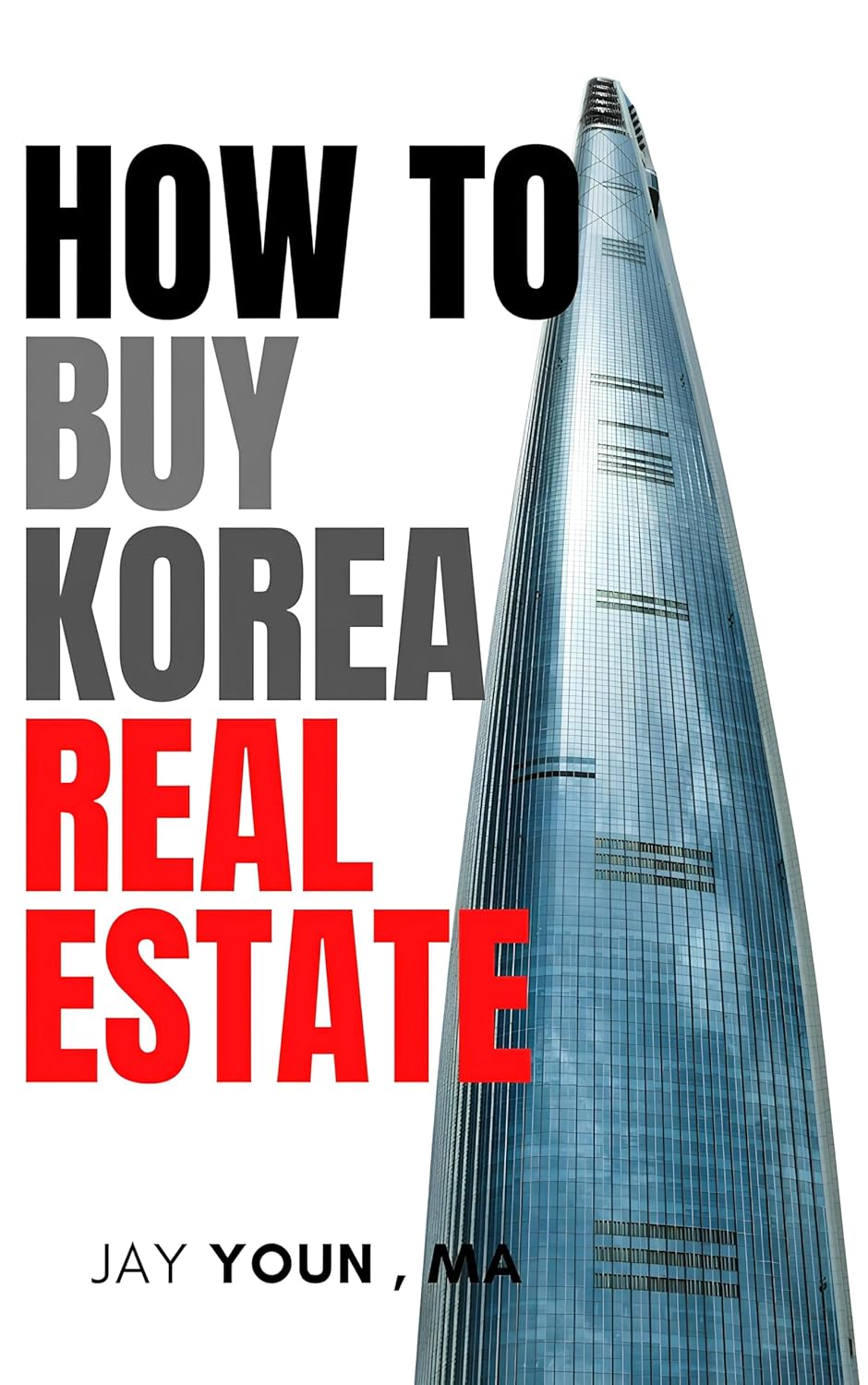
Unlocking Opportunities: A Comprehensive Guide to Real Estate Investment in South Korea
South Korea, a nation synonymous with technological innovation, K-pop global dominance, and a robust economy, presents a fascinating yet complex landscape for real estate investors. From the gleaming skyscrapers of Seoul to the bustling port city of Busan and the serene beauty of Jeju Island, the country offers a unique blend of opportunities and challenges. For foreign investors looking to tap into this dynamic market, a deep understanding of its nuances, regulatory frameworks, and cultural specifics is paramount.
This comprehensive guide aims to equip potential investors with essential insights and practical tips for navigating the South Korean real estate market, helping them make informed decisions and unlock the potential within this vibrant East Asian economy.
Why Invest in South Korea? The Compelling Appeal
Before delving into the specifics, it’s crucial to understand the underlying factors that make South Korea an attractive destination for real estate investment:
- Robust and Resilient Economy: As the world’s 10th largest economy (by nominal GDP), South Korea boasts a highly developed, export-oriented economy driven by global giants like Samsung, Hyundai, and LG. This economic strength translates into job creation, urban migration, and sustained demand for housing and commercial spaces.
- High Urbanization and Population Density: With over 80% of its population residing in urban areas, particularly in the Seoul Metropolitan Area (SMA), there’s a constant demand for living and working spaces. This high density contributes to property value appreciation, especially in prime locations.
- Technological Advancement and Smart Cities: South Korea is a global leader in technology, with pervasive high-speed internet and smart city initiatives. This focus on innovation often integrates into real estate development, offering modern, connected properties that appeal to a tech-savvy population.
- Stable Political Environment: Despite geopolitical complexities, South Korea maintains a stable democratic government, providing a relatively secure environment for long-term investments.
- Global Hub and Accessibility: Incheon International Airport consistently ranks among the best globally, making South Korea a well-connected hub for international business and tourism. This connectivity enhances the value of commercial and hospitality properties.
- K-Culture Influence: The global rise of K-pop, K-drama, and Korean cuisine has significantly boosted tourism and interest in living and working in South Korea, indirectly supporting rental markets and property demand in culturally significant areas.
Understanding the South Korean Real Estate Market Dynamics
The South Korean real estate market is characterized by several unique features that distinguish it from Western markets:
- The Unique Jeonse System: This is arguably the most distinctive aspect. In a "Jeonse" (전세) contract, the tenant pays a large lump-sum deposit (often 50-80% of the property’s value) to the landlord instead of monthly rent. The landlord then invests this deposit, earning interest, and returns the full sum to the tenant at the end of the contract (typically two years). This system has profound implications:
- For Landlords: It provides significant upfront capital, effectively an interest-free loan, which can be used for other investments or to purchase more properties with lower initial outlay. However, it requires returning the large sum, posing a risk if market conditions change or if the landlord’s investments underperform.
- For Tenants: It allows them to live rent-free, but requires substantial savings or loans for the deposit.
- Market Impact: Jeonse rates heavily influence housing prices. A rising Jeonse-to-sale price ratio often indicates future sale price increases.
- Wolse (월세) – Monthly Rent: This system is more familiar to Western investors, where a smaller security deposit is paid, along with monthly rent. As Jeonse becomes more challenging due to rising property prices and interest rates, Wolse is becoming increasingly prevalent.
- Government Intervention and Regulations: The South Korean government actively intervenes in the real estate market, particularly in Seoul, to curb speculation and stabilize prices. Policies can change frequently and significantly impact the market, including:
- Loan-to-Value (LTV) and Debt-to-Income (DTI) Ratios: Strict limits are often imposed, especially for multi-property owners, making it harder to secure mortgages.
- Capital Gains Taxes: High and progressive taxes are levied on profits from property sales, particularly for short-term holdings or multiple properties.
- Acquisition and Holding Taxes: Taxes on property acquisition and annual property taxes can be substantial.
- Designated Speculation Zones: Specific areas, usually in Seoul, are designated as "speculation zones" where stricter regulations apply.
- High Property Prices, Especially in Seoul: Seoul consistently ranks among the most expensive cities globally for real estate. Prime districts like Gangnam, Seocho, and Songpa command exceptionally high prices, driven by demand, limited supply, and infrastructure development.
- Interest Rate Sensitivity: Changes in the Bank of Korea’s benchmark interest rate directly impact mortgage costs and the attractiveness of Jeonse (as landlords’ investment returns on deposits fluctuate).
Key Investment Opportunities
While Seoul remains the epicenter of real estate activity, opportunities exist across various property types and regions:
- Residential Properties:
- Apartments (아파트 – A-pa-teu): These are the most popular and liquid assets, especially in large complexes with amenities. New apartment developments, particularly in well-connected areas, often see significant capital appreciation. Focus on areas with good public transport, schools, and commercial facilities.
- Officetels (오피스텔 – O-pi-seu-tel): A hybrid property type combining office and residential functions, officetels are popular among singles, young professionals, and small businesses. They typically offer smaller units, lower prices than apartments, and good rental yields, especially in central business districts or near universities.
- Villas/Townhouses: Often older and less liquid than apartments, but can offer more space and unique charm, appealing to a niche market.
- Commercial Properties:
- Retail Spaces: High-footfall areas like Myeongdong, Gangnam, Hongdae, and trendy districts like Seongsu-dong offer robust rental income potential, driven by tourism and local consumerism.
- Office Spaces: Prime office buildings in central business districts (CBDs) like Gwanghwamun, Yeouido, and Gangnam continue to attract corporate tenants, though vacancy rates can fluctuate.
- Industrial & Logistics: With the booming e-commerce sector, demand for modern warehouses and logistics centers, especially near major ports (Busan, Incheon) and transportation hubs, is on the rise.
- Niche & Emerging Opportunities:
- Student Housing: Areas surrounding major universities (e.g., Yonsei, Korea University, SNU) can offer stable rental income.
- Serviced Apartments: Catering to expatriates and long-term business travelers, particularly in international districts like Yongsan or Songdo.
- Regional Cities: Beyond Seoul, cities like Busan (second-largest city, port), Incheon (international airport, free economic zone), and Daejeon (science and technology hub) offer potentially lower entry prices and promising growth prospects due to ongoing infrastructure development and decentralization efforts.
- Jeju Island: A popular tourist destination, offering opportunities in hospitality and vacation rentals, though regulations on foreign land ownership can be stringent.
Essential Tips for Foreign Investors
Investing in South Korean real estate as a foreigner requires meticulous planning and expert guidance:
-
Thorough Market Research:
- Beyond the Headlines: Don’t rely solely on international news. Dive into local real estate reports, government statistics, and analyses from Korean financial institutions.
- Neighborhood Deep Dive: Research specific districts (dong/gu) within cities. Understand their demographics, infrastructure projects (new subway lines, parks), school quality, and future development plans.
- Price Trends: Analyze historical price data, rental yields, and Jeonse-to-sale price ratios for your target property type and location.
-
Understand the Legal & Regulatory Framework:
- Foreign Ownership Rules: Generally, foreigners can own real estate in South Korea, but there are specific reporting requirements and sometimes restrictions, particularly for land in certain zones (e.g., military protection areas, cultural heritage zones).
- Property Registration: All real estate transactions must be registered with the local government.
- Visa Requirements: While property ownership doesn’t automatically grant residency, having a long-term visa (e.g., F-2, F-4, F-5) can simplify the process of residing in Korea and managing your investment.
-
Engage Local Experts: This is arguably the most crucial tip.
- Reputable Real Estate Agent (공인중개사 – Gongin Junggaesa): Find an agent with experience working with foreign clients and a strong track record. They will help you find properties, negotiate, and understand local customs.
- Bilingual Lawyer (변호사 – Byeonhosa): A lawyer specializing in real estate will conduct due diligence, review contracts, ensure legal compliance, and protect your interests.
- Tax Accountant (세무사 – Semaesa): Navigating South Korea’s complex tax system (acquisition tax, property tax, capital gains tax, inheritance tax) is vital. A local tax expert can help with planning and compliance.
- Mortgage Broker/Banker: Foreigners may face limitations in securing mortgages from Korean banks. Explore options with international banks or specialized lenders.
-
Financial Planning and Funding:
- Capital Requirements: Be prepared for significant upfront costs, including the property price, acquisition tax (typically 1-4%), registration fees, legal fees, and agent commissions.
- Mortgages for Foreigners: While possible, securing a mortgage can be challenging, often requiring a high down payment (e.g., 50% or more) and a stable income source in Korea.
- Currency Exchange Risk: If your primary income is not in KRW, be mindful of currency fluctuations affecting your investment’s value and rental income.
-
Thorough Due Diligence:
- Property Inspection: Beyond aesthetics, check the structural integrity, plumbing, electrical systems, and any potential issues.
- Title Search: Verify the seller’s ownership, check for any liens, encumbrances, or legal disputes against the property.
- Zoning and Development Plans: Understand the property’s zoning regulations and any upcoming infrastructure projects or urban development plans that could impact its value or use.
- Rental Yield Analysis: For income-generating properties, meticulously calculate potential rental yields, factoring in vacancies, maintenance, and taxes.
-
Adopt a Long-Term Perspective:
- The South Korean market, particularly in Seoul, has seen periods of rapid appreciation followed by government cooling measures. Short-term speculation can be risky due to high transaction costs and capital gains taxes. A long-term investment horizon (5-10+ years) is generally more prudent.
-
Stay Informed on Government Policies:
- Government policies can shift quickly. Subscribe to reliable news sources, consult your legal and tax advisors regularly, and understand how potential changes could affect your investment.
-
Understand the Nuances of Jeonse vs. Wolse:
- As a Landlord: Deciding between Jeonse and Wolse depends on your financial goals. Jeonse offers upfront capital but less monthly income. Wolse offers steady income but requires more upfront capital from the landlord. Understand the risks associated with returning a large Jeonse deposit.
- Market Dynamics: Be aware that a high Jeonse-to-sale price ratio might indicate an overheated market or strong future appreciation, but also increased risk for landlords.
-
Tax Implications:
- Acquisition Tax: Paid when purchasing the property.
- Property Tax: Annual tax based on the assessed value.
- Comprehensive Real Estate Holding Tax (Jongbu-se): Applies to individuals owning multiple high-value properties, designed to curb speculation.
- Capital Gains Tax: High and progressive, especially for short-term sales (e.g., within 1-2 years) and for individuals owning multiple properties. It’s crucial to understand the rates and exemptions (if any).
- Inheritance/Gift Tax: Relevant for long-term planning.
-
Exit Strategy:
- Consider how you plan to exit the investment. Is the property liquid? What are the potential selling costs and capital gains taxes? Understanding your exit strategy from the outset is crucial for maximizing returns.
Risks and Challenges
While opportunities abound, investors must be cognizant of the inherent risks:
- High Property Prices and Affordability: The significant capital required, especially for prime Seoul properties, can be a major barrier.
- Government Intervention and Policy Volatility: Frequent policy changes can create uncertainty and impact investment returns.
- Interest Rate Fluctuations: Changes in interest rates affect mortgage costs, Jeonse deposit returns, and overall market demand.
- Bubble Concerns: Some economists periodically raise concerns about a real estate bubble, particularly in Seoul, suggesting a potential for market correction.
- Currency Risk: Fluctuations in the Korean Won (KRW) against your home currency can impact your net returns.
- Language and Cultural Barriers: Navigating the market without proficient Korean language skills can be challenging, emphasizing the need for reliable local experts.
- Transaction Costs and Taxes: High acquisition taxes, registration fees, agent commissions, and capital gains taxes can significantly eat into profits.
- Vacancy Risk: For rental properties, periods of vacancy can lead to lost income, especially for Wolse contracts.
Conclusion
Investing in South Korean real estate offers a compelling, albeit intricate, landscape for those seeking diversification and growth in a highly developed Asian economy. The nation’s economic resilience, technological prowess, and vibrant urban centers present significant opportunities across various property types.
However, success hinges on a thorough understanding of the unique market dynamics, particularly the Jeonse system, and the ever-present influence of government policies. For foreign investors, engaging a team of trusted local experts – including real estate agents, lawyers, and tax accountants – is not merely advisable but essential. By approaching the market with meticulous research, a long-term perspective, and a clear understanding of both its potential and its challenges, investors can strategically position themselves to unlock the rewards of South Korea’s dynamic real estate sector.