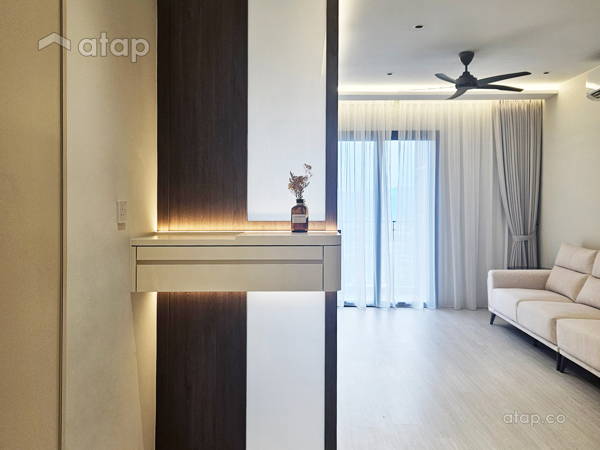
Unlocking Value: A Comprehensive Guide to Interior Design Services & Pricing in Malaysia
The allure of a beautifully designed space is universal. Whether it’s a cozy home that reflects your personality, a productive office that inspires creativity, or a welcoming commercial establishment that draws customers in, interior design plays a pivotal role in shaping our environments and experiences. In Malaysia, a vibrant and rapidly developing nation, the demand for professional interior design services has surged, driven by a growing appreciation for aesthetics, functionality, and the desire to create spaces that truly resonate.
However, for many embarking on a design journey, the question of cost often looms large. "How much do interior design services in Malaysia cost?" is a query that frequently surfaces, often met with vague answers due to the multifaceted nature of the industry. This comprehensive guide aims to demystify interior design pricing in Malaysia, offering insights into the factors that influence costs, common pricing models, typical price ranges, and ultimately, the invaluable return on investment that a professional designer brings to your project.
I. The Essence of Interior Design: More Than Just Aesthetics
Before diving into prices, it’s crucial to understand what interior design truly encompasses. It’s far more than just picking paint colours and furniture. Professional interior design is a holistic discipline that involves:
- Space Planning & Layout: Optimising the flow, functionality, and utilisation of a space, ensuring comfort and efficiency.
- Concept Development & Mood Boards: Translating a client’s vision into a cohesive design concept, defining the aesthetic, style, and overall ambiance.
- 3D Visualization & Renderings: Creating realistic visual representations of the proposed design, allowing clients to "see" their space before it’s built.
- Material & Finish Selection: Specifying appropriate and durable materials, finishes, fixtures, and fittings that align with the design concept, budget, and functional requirements.
- Custom Furniture & Joinery Design: Designing bespoke furniture, built-in cabinetry, and other custom elements to perfectly fit the space and client’s needs.
- Lighting Design: Developing lighting schemes that enhance ambiance, provide task lighting, and highlight architectural features.
- Color Consultation: Guiding clients in selecting harmonious color palettes that impact mood and perception.
- Procurement & Sourcing: Identifying and acquiring furniture, decor, and other items, often leveraging trade discounts.
- Project Management & Site Supervision: Overseeing the entire renovation or construction process, coordinating with contractors, and ensuring the design vision is executed accurately and on schedule.
- Styling & Decoration: Adding the final touches – art, accessories, soft furnishings – to complete the look and feel of the space.
Each of these services contributes to the overall complexity and value of a project, and consequently, its cost.
II. The Multifaceted Factors Influencing Interior Design Pricing in Malaysia
The price of interior design services in Malaysia is not a one-size-fits-all figure. It’s a dynamic equation influenced by several key variables:
A. Scope & Complexity of the Project
- Full-Service Design & Renovation: This involves comprehensive services from concept to completion, including space planning, 3D renders, material selection, project management, and site supervision. Naturally, this is the most extensive and therefore, the most expensive option.
- Design Consultation Only: A designer provides advice, concept ideas, or material suggestions without managing the execution. This is typically charged hourly or as a fixed fee for a limited scope.
- Specific Room Design: Focusing on a single area like a kitchen, bathroom, or living room will be less costly than designing an entire house or office.
- Minor Refresh vs. Major Renovation: A purely decorative refresh (new paint, furniture, accessories) is significantly less complex and costly than structural changes, plumbing reconfigurations, or extensive electrical work.
- Commercial vs. Residential: Commercial projects often have stricter regulatory requirements, higher foot traffic considerations, and specialized equipment needs, leading to higher design fees.
B. Size of the Space
Logically, a larger space requires more design time, more materials, and more oversight. Pricing is often calculated per square foot (psf) or square meter, making the total area a primary cost driver.
C. Designer’s Experience & Reputation
- Established Firms/Senior Designers: Highly experienced designers with a strong portfolio, industry awards, and a reputation for excellence typically command higher fees. Their expertise often translates into more innovative solutions, smoother project execution, and access to exclusive resources.
- Mid-Level Designers: These designers have a solid portfolio and a few years of experience, offering a balance between cost and quality.
- New/Freelance Designers: Those just starting out may offer more competitive rates to build their portfolio and gain experience.
D. Location (Urban vs. Suburban)
Designers operating in prime urban areas like Kuala Lumpur, Penang, or Johor Bahru often have higher overheads (rent, staff salaries) compared to those in smaller towns. This can sometimes be reflected in their pricing. Travel costs for designers to remote sites can also be a factor.
E. Material & Finish Selections
The choice of materials significantly impacts the overall project budget, and subsequently, the design fee if it’s based on a percentage of the total project cost. High-end marble, custom millwork, imported fixtures, and luxury furniture will elevate costs compared to local, off-the-shelf alternatives.
F. Level of Service Required
Do you need full project management, or do you prefer to handle the contractor coordination yourself? The more hands-on the designer is throughout the execution phase, the higher the service fee.
G. Project Timeline & Urgency
Rush projects that demand expedited design work, quick material sourcing, and compressed construction schedules may incur additional charges due to overtime or premium delivery fees.
H. Inclusions: 3D Renders, Site Visits, etc.
The number and detail of 3D renders, frequency of site visits, and the extent of material sample presentations can all influence the overall design fee. Some designers bundle these into a comprehensive package, while others might charge for additional renders or site visits beyond a certain limit.
III. Common Pricing Models Adopted by Malaysian Interior Designers
Interior designers in Malaysia typically employ a few distinct pricing models, or a hybrid combination, to charge for their services:
A. Fixed Fee (Per Sq Ft/Meter or Per Project)
- Per Square Foot/Meter: This is a very common model, especially for residential projects. The designer charges a set rate per square foot (or meter) based on the total floor area. This rate typically covers the design phase (concept, layouts, 3D renders, material selection) but may or may not include project management or site supervision, which could be an add-on.
- Pros: Transparent and easy to understand for the client.
- Cons: Might not fully account for highly complex designs within a small area, or very simple designs within a large area.
- Per Project: A single, agreed-upon fee for the entire scope of work, irrespective of time spent. This is often used for clearly defined projects with a predictable scope.
- Pros: Budget certainty for the client.
- Cons: Requires a very detailed scope of work upfront; changes can lead to additional fees.
B. Percentage of Total Project Cost
In this model, the design fee is calculated as a percentage of the total cost of renovation, furniture, and fittings. This is common for larger, more complex projects or those where the client is seeking high-end finishes and custom work.
- Pros: Aligns the designer’s interest with the client’s overall vision (as a higher quality project might mean a higher design fee, but also a better outcome).
- Cons: The final design fee isn’t fixed until the project budget is finalised, which can be unsettling for some clients. Requires trust and transparent cost tracking.
C. Hourly Rates
Some designers, especially for smaller consultations, specific tasks (e.g., sourcing for a few items, quick advice), or for design development where the scope is initially unclear, charge an hourly rate.
- Pros: Clients only pay for the time spent.
- Cons: Unpredictable total cost if the project scope expands or takes longer than expected.
D. Hybrid Models
Many designers use a combination of the above. For instance, a fixed design fee for the concept and 3D renders, plus an hourly rate for site supervision, or a percentage on procurement if they handle purchasing. This offers flexibility and can be tailored to specific project needs.
E. Consultation Fees
Most designers charge an initial consultation fee. This covers the designer’s time to visit the site, discuss requirements, provide initial ideas, and prepare a preliminary proposal.
- Pros: A low-commitment way for clients to assess a designer’s suitability.
- Cons: Fee is typically non-refundable and doesn’t guarantee further services.
IV. Demystifying Price Ranges: What to Expect in Malaysia (with Disclaimers)
It’s crucial to preface these figures with a strong disclaimer: these are ESTIMATES ONLY. Actual costs can vary dramatically based on all the factors mentioned above. Always obtain detailed quotes from multiple designers based on your specific project brief.
A. Initial Consultation Fees
- Range: RM 100 – RM 500 (for 1-2 hours)
- Some designers may waive this fee if you proceed with their services. Others might deduct it from the overall design fee.
B. Design Fees (Excluding Renovation & Furniture Costs)
This covers the intellectual work of the designer (concepts, drawings, 3D renders, material selection, etc.).
- Residential Projects (Apartments, Condos, Landed Homes):
- Basic/Mid-Range: RM 5 – RM 15 per square foot
- High-End/Luxury: RM 15 – RM 30+ per square foot
- Alternatively, as a percentage of total project cost: 8% – 15% (for design & project management)
- Commercial Projects (Offices, Retail, F&B):
- Basic/Mid-Range: RM 10 – RM 25 per square foot
- High-End/Specialised: RM 25 – RM 50+ per square foot
- Alternatively, as a percentage of total project cost: 10% – 20%
Example: For a 1,000 sq ft apartment:
- Basic design fee: 1,000 sq ft x RM 8/sq ft = RM 8,000
- High-end design fee: 1,000 sq ft x RM 25/sq ft = RM 25,000
C. Total Project Budget (Design + Renovation + Furnishing)
This is the all-encompassing cost for a complete makeover, from design to construction to furniture and styling. This figure is highly variable based on material choices and the extent of renovation.
- Basic/Minimal Renovation (e.g., paint, simple built-ins, basic furnishings): RM 50 – RM 100 per square foot
- Mid-Range Renovation (e.g., new flooring, custom cabinetry, moderate furnishing): RM 100 – RM 250 per square foot
- High-End/Luxury Renovation (e.g., extensive custom work, premium materials, imported furniture, smart home integration): RM 250 – RM 500+ per square foot
Example: For a 1,000 sq ft apartment:
- Basic total project: 1,000 sq ft x RM 80/sq ft = RM 80,000
- Mid-range total project: 1,000 sq ft x RM 180/sq ft = RM 180,000
- High-end total project: 1,000 sq ft x RM 350/sq ft = RM 350,000
D. Breakdown by Room Type (Illustrative Renovation Costs Excluding Design Fee & Loose Furniture)
These are rough estimates for renovation work only for specific areas, assuming a mid-range approach.
- Kitchen Renovation: RM 15,000 – RM 50,000+ (depending on cabinet materials, countertop choices, and appliances)
- Bathroom Renovation: RM 8,000 – RM 30,000+ per bathroom (depending on tiles, fixtures, and sanitary ware)
- Bedroom (Built-ins only): RM 5,000 – RM 20,000+ (wardrobes, study desks, feature walls)
- Living/Dining Area (Feature walls, custom TV console): RM 8,000 – RM 30,000+
Important Note on Renovation Costs: These figures can fluctuate significantly due to:
- Material Quality: Local vs. imported, laminate vs. solid wood, ceramic vs. marble.
- Workmanship: Highly skilled contractors charge more.
- Structural Changes: Moving walls, plumbing, or electrical points adds considerable cost.
- Permits: Certain structural changes may require local council permits, incurring fees and potentially extending timelines.
V. The Invaluable Return on Investment: Why Hire an Interior Designer?
While the costs might seem substantial upfront, investing in professional interior design offers a significant return, both tangible and intangible:
A. Professional Expertise & Creativity
Designers bring a wealth of knowledge in aesthetics, ergonomics, building codes, and material science. They can envision possibilities you might not have considered and translate your abstract ideas into a tangible, beautiful, and functional space.
B. Time & Stress Savings
Navigating renovations, sourcing materials, and coordinating contractors can be incredibly time-consuming and stressful. A designer manages these complexities, allowing you to focus on your daily life.
C. Budget Management & Cost Efficiency
Contrary to popular belief, designers can often save you money. They help set a realistic budget, prevent costly mistakes, and often have access to trade discounts on furniture and materials that are unavailable to the public. Their expertise ensures that every ringgit is spent wisely.
D. Access to Exclusive Resources & Suppliers
Designers have established networks of trusted contractors, artisans, and suppliers, providing access to unique materials, custom fabricators, and reliable professionals, ensuring quality workmanship.
E. Enhanced Functionality & Aesthetics
A professionally designed space is not just pretty; it’s highly functional. Designers optimize layouts, improve flow, and create environments that perfectly suit your lifestyle or business operations, leading to greater comfort, productivity, and enjoyment.
F. Increased Property Value
A well-designed and executed interior can significantly increase the market value and appeal of your property, making it a sound investment whether you plan to sell or simply enjoy it for years to come.
VI. Navigating the Selection Process: Choosing the Right Designer for You
Given the varying costs and styles, choosing the right interior designer is paramount:
- Define Your Vision & Budget: Before approaching designers, have a clear idea of your aesthetic preferences, functional needs, and a realistic budget range.
- Research & Portfolio Review: Look at designers’ portfolios online (websites, Instagram, design platforms). Do their styles align with yours? Do they have experience with projects similar to yours (residential, commercial, size)?
- Initial Consultations: Schedule initial meetings with 2-3 shortlisted designers. Discuss your project, ask about their process, and observe their communication style.
- Understand the Contract & Scope of Work: A detailed contract is essential. It should clearly outline the services included, deliverables (e.g., number of 3D renders, site visits), project timeline, payment schedule, and what happens if the scope changes.
- Check References & Testimonials: If possible, speak to previous clients to gauge their experience with the designer’s professionalism, adherence to budget, and project management skills.
- Chemistry & Communication: You’ll be working closely with your designer. Choose someone whose personality you connect with and who you feel understands your needs and vision.
VII. Tips for Budgeting Your Interior Design Project
To make your interior design journey smoother and more predictable:
- Prioritize & Compromise: Identify your "must-haves" vs. "nice-to-haves." Be prepared to compromise on certain elements if your budget is tight.
- Phased Approach: If a full renovation is too costly at once, consider tackling the project in phases (e.g., kitchen first, then living room).
- DIY Elements (Carefully): You can save costs by handling some aspects yourself, such as sourcing decorative items or overseeing minor painting, but be realistic about your skills and time.
- Clear Communication: Be transparent with your designer about your budget from day one. A good designer will help you achieve the best possible outcome within your financial constraints.
- Contingency Fund: Always allocate an additional 10-15% of your total project budget for unforeseen circumstances or desired changes during the process.
VIII. Conclusion
Interior design services in Malaysia offer immense value, transforming mundane spaces into inspiring environments that enhance quality of life and potentially increase property value. While the pricing structure can seem intricate, understanding the factors that influence costs, the various pricing models, and typical ranges empowers you to make informed decisions.
Remember, investing in a professional interior designer is not merely an expense; it’s an investment in expertise, efficiency, and the creation of a space that truly reflects your aspirations. By doing your research, communicating clearly, and choosing the right partner, you can embark on a rewarding design journey that culminates in a space you’ll cherish for years to come. Don’t let the initial price tag deter you; instead, focus on the long-term benefits and the peace of mind that comes with a beautifully and functionally designed interior.