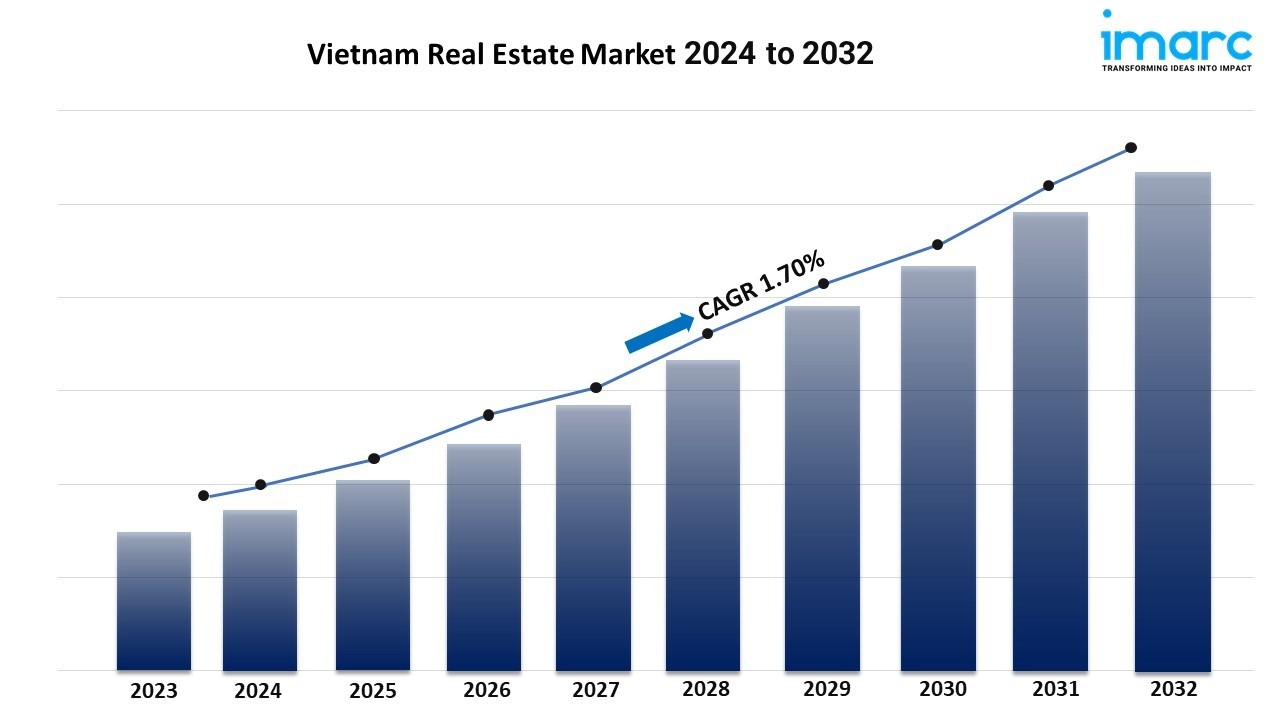
Vietnam Real Estate Investment 2026: Navigating the Golden Opportunity
Vietnam, a nation that has consistently defied economic expectations, stands on the cusp of another transformative era. As we look towards 2026, its real estate sector is poised to offer a landscape rich with opportunity, albeit one that demands strategic foresight and a nuanced understanding of its evolving dynamics. Often dubbed the "Asian Dragon," Vietnam’s journey from a centrally planned economy to a vibrant, market-oriented powerhouse has been nothing short of remarkable. Its strategic location, young and dynamic population, robust economic growth, and an increasingly investor-friendly environment are coalescing to create a compelling narrative for real estate investors.
However, 2026 is not merely a continuation of past trends. It represents a period where several critical factors – infrastructural maturation, regulatory refinements, global economic shifts, and a heightened focus on sustainability – will converge, shaping the contours of real estate investment in profound ways. This article delves into the multifaceted opportunities and challenges that define Vietnam’s real estate market in 2026, offering a comprehensive guide for those looking to capitalize on its burgeoning potential.
The Macroeconomic Bedrock: A Foundation for Growth
Vietnam’s economic resilience forms the bedrock of its real estate appeal. For 2026, projections indicate a continued robust GDP growth, likely sustaining rates of 6-7% annually. This growth is fueled by several key pillars:
- Demographic Dividend: With a population exceeding 100 million, a median age in the early 30s, and a rapidly expanding middle class, Vietnam boasts a formidable consumer base. This demographic dividend translates directly into demand for housing, retail spaces, and recreational facilities. The rising disposable income empowers a new generation of homeowners and consumers, driving internal market growth.
- Foreign Direct Investment (FDI) Influx: Vietnam remains a magnet for FDI, particularly in manufacturing and high-tech sectors. The "China+1" strategy, wherein multinational corporations diversify their supply chains beyond China, continues to channel significant investment into Vietnam. This influx creates demand for industrial parks, logistics facilities, and housing for expatriate workers and local professionals. Free trade agreements like the EVFTA and CPTPP further solidify Vietnam’s position as an attractive manufacturing hub.
- Government Stability and Pro-Business Policies: The Vietnamese government has demonstrated a consistent commitment to economic reform and creating a favorable investment climate. While bureaucratic hurdles can still exist, ongoing efforts to streamline administrative procedures, enhance transparency, and refine land laws signal a positive trajectory. The long-term stability of the political landscape provides a crucial sense of security for large-scale, long-term real estate investments.
- Urbanization Trends: Vietnam is experiencing rapid urbanization, with major cities like Ho Chi Minh City and Hanoi continuing to expand and satellite cities developing around them. This shift from rural to urban living concentrates demand for modern infrastructure, commercial spaces, and diverse housing options.
Key Drivers Shaping Real Estate in 2026
Beyond the overarching macroeconomic factors, several specific drivers will critically influence Vietnam’s real estate market in 2026:
- Infrastructure Development: The period leading up to and including 2026 will witness the maturation of several mega-infrastructure projects. The Long Thanh International Airport, set to become a regional aviation hub, will significantly boost connectivity and property values in its vicinity and across the southern economic zone. The North-South Expressway, the expansion of metro lines in HCMC and Hanoi, and the upgrading of seaports (e.g., Cai Mep-Thi Vai) will enhance logistical efficiency, reduce travel times, and unlock new development corridors. These projects are not merely about transportation; they are catalysts for economic activity and real estate appreciation.
- Evolving Regulatory Framework: The Vietnamese government is continually refining its real estate laws, particularly concerning foreign ownership and land use. The revised Land Law, expected to be fully implemented or significantly advanced by 2026, aims to improve transparency, streamline land valuation, and clarify land compensation policies. These changes, while sometimes requiring adaptation, are ultimately geared towards creating a more predictable and secure investment environment for both domestic and foreign players. Foreign investors should pay close attention to updates regarding foreign ownership limits and leasehold rights.
- Digital Transformation and PropTech: The adoption of technology within Vietnam’s real estate sector is accelerating. By 2026, PropTech solutions – from virtual reality property tours and blockchain-backed transactions to smart building management systems and AI-driven market analytics – will become more mainstream. Investors leveraging these technologies will gain a competitive edge in market analysis, operational efficiency, and reaching tech-savvy consumers.
- Sustainability and ESG Factors: Environmental, Social, and Governance (ESG) criteria are rapidly gaining prominence. Investors in 2026 will increasingly prioritize green buildings, energy-efficient designs, and developments that contribute positively to local communities. Sustainable practices are not just ethical; they are becoming financially savvy, attracting premium tenants, reducing operational costs, and meeting the demands of environmentally conscious investors and consumers. Smart city initiatives, integrating technology with sustainable urban planning, will also be a significant trend.
Segment-Specific Opportunities for 2026
The diverse nature of Vietnam’s economy translates into varied real estate investment opportunities across different segments:
1. Residential Sector: Catering to a Growing Nation
The residential market remains the most dynamic, driven by rapid urbanization and the expanding middle class.
- Affordable and Mid-Range Housing: This segment presents the most consistent demand. With a large proportion of the population still aspiring to homeownership, projects offering well-designed, affordable, and mid-priced apartments or houses in strategic locations will see strong absorption rates. Government initiatives to boost affordable housing supply may also create partnerships or specific investment avenues.
- Luxury and High-End Residences: While a niche market, the demand for luxury apartments and villas in prime urban areas (HCMC, Hanoi) and coastal resort towns continues to grow, fueled by high-net-worth individuals, returning overseas Vietnamese, and a small but growing expat community. Investors should focus on unique designs, premium amenities, and strong branding in this segment.
- Serviced Apartments and Condotels: The rebounding tourism sector and increasing numbers of expatriate professionals ensure a steady demand for serviced apartments, especially in major cities. Condotels, particularly in popular tourist destinations like Da Nang, Nha Trang, and Phu Quoc, offer a hybrid investment model, blending hotel-style amenities with individual ownership. Careful due diligence on management contracts and occupancy rates is crucial here.
2. Industrial and Logistics: The Backbone of the Economy
Vietnam’s role as a global manufacturing hub positions its industrial and logistics real estate as a high-growth sector.
- Industrial Parks: Demand for ready-built factories and land within well-managed industrial parks will remain robust. Investors should target parks with excellent connectivity to seaports, airports, and major highways, particularly those in the Southern Economic Region (e.g., Binh Duong, Dong Nai, Long An) and the Northern Economic Region (e.g., Hai Phong, Bac Ninh, Hung Yen).
- Logistics and Warehousing: The e-commerce boom and the need for efficient supply chain management are fueling demand for modern warehousing, distribution centers, and cold storage facilities. Investment in multi-story warehouses and those employing automation technologies will be particularly lucrative.
- Data Centers: As digital transformation accelerates, the need for robust data infrastructure will drive demand for specialized data centers, representing a niche but high-potential investment area.
3. Commercial Real Estate: Evolving Urban Landscapes
- Office Space: Grade A office space in prime locations within HCMC and Hanoi will continue to command strong rents due to limited supply and high demand from multinational corporations and growing local businesses. The rise of co-working spaces also reflects a shift in work culture, offering flexible office solutions.
- Retail Space: The retail sector is undergoing a transformation, with a growing preference for modern shopping malls and integrated retail-entertainment complexes. E-commerce integration and experiential retail concepts will be key drivers. Investors should look for opportunities in mixed-use developments that combine residential, commercial, and leisure elements.
4. Hospitality and Tourism: Post-Pandemic Resurgence
With international tourism expected to fully recover and surpass pre-pandemic levels by 2026, the hospitality sector is ripe for investment.
- Hotels and Resorts: Investment in new hotels and resorts, particularly in established tourist destinations (Phu Quoc, Da Nang, Nha Trang, Hoi An) and emerging eco-tourism sites, will be attractive. The focus should be on differentiated offerings, catering to diverse tourist segments, from luxury travelers to adventure seekers.
- Serviced Apartments/Homestays: Beyond traditional hotels, the demand for quality serviced apartments and unique homestay experiences continues to grow, driven by both domestic and international tourists seeking more authentic and flexible accommodation options.
Key Geographic Hotspots for 2026
While opportunities exist nationwide, certain regions and cities are expected to outperform:
- Ho Chi Minh City (HCMC): The economic engine of Vietnam, HCMC offers diverse opportunities across all segments – residential, commercial, industrial, and hospitality. Its continued expansion, metro line development, and status as a major business hub ensure sustained demand.
- Hanoi: The capital city maintains steady growth, particularly in the residential and office sectors. Its stable economy, growing middle class, and strong educational institutions make it a reliable market.
- Da Nang: Positioned as a tourism hub and an emerging tech city, Da Nang offers attractive prospects in hospitality, residential (especially coastal properties), and commercial real estate catering to the tech sector.
- Binh Duong, Dong Nai, Long An: These provinces surrounding HCMC are industrial powerhouses, benefiting from FDI in manufacturing and logistics. They are also developing into satellite cities, creating demand for residential and retail spaces.
- Hai Phong, Bac Ninh, Hung Yen: In the north, these provinces are key industrial and logistics centers, driven by major manufacturing players and proximity to Hanoi and international ports.
Navigating the Challenges and Risks
Despite the compelling opportunities, investing in Vietnam’s real estate sector in 2026 is not without its challenges:
- Regulatory Complexity and Bureaucracy: While improving, navigating Vietnam’s legal and administrative procedures can still be time-consuming and complex. Investors need patience and local expertise.
- Market Oversupply in Specific Segments: In some prime urban areas or certain luxury segments, there can be a risk of oversupply, leading to downward pressure on prices or rental yields. Thorough market research is essential to identify underserved niches.
- Infrastructure Gaps: While significant progress is being made, certain regions still suffer from inadequate infrastructure, which can impact project viability and accessibility.
- Global Economic Headwinds: As an export-oriented economy, Vietnam is susceptible to global economic slowdowns, trade tensions, or geopolitical events, which could impact FDI and consumer spending.
- Due Diligence and Local Expertise: The opaque nature of some land transactions and the need for robust local partnerships necessitate rigorous due diligence and reliance on experienced local consultants and legal advisors.
Investment Strategies for 2026
To successfully navigate Vietnam’s real estate market in 2026, investors should adopt a strategic approach:
- Long-Term Perspective: Vietnam’s real estate market rewards long-term vision. Short-term speculative plays can be risky.
- Diversification: Consider diversifying across different segments (e.g., industrial and residential) and geographies to mitigate risks.
- Local Partnerships: Partnering with reputable local developers or firms can provide invaluable insights, facilitate regulatory compliance, and ease market entry.
- Focus on ESG and Sustainability: Integrating sustainable practices into development plans will not only attract environmentally conscious tenants and buyers but also enhance project value and long-term viability.
- Thorough Due Diligence: Invest heavily in legal, financial, and market due diligence to understand all aspects of a potential investment.
- Stay Updated on Regulatory Changes: The legal framework is dynamic. Continuously monitor updates to land laws, foreign ownership regulations, and investment policies.
Conclusion
Vietnam’s real estate market in 2026 presents a compelling narrative of growth, driven by robust macroeconomic fundamentals, significant infrastructure investments, and an evolving regulatory landscape. From the booming industrial sector fueled by global supply chain shifts to the dynamic residential market catering to a burgeoning middle class, opportunities abound across various segments and geographies.
However, success in this vibrant market hinges on a strategic, informed, and patient approach. Investors who meticulously conduct due diligence, embrace sustainable practices, leverage local expertise, and maintain a long-term perspective will be best positioned to unlock the golden opportunities that Vietnam’s real estate sector promises in the coming years. The "Asian Dragon" is not just roaring; it’s building a future, and for astute investors, 2026 offers a prime window to be a part of that construction.