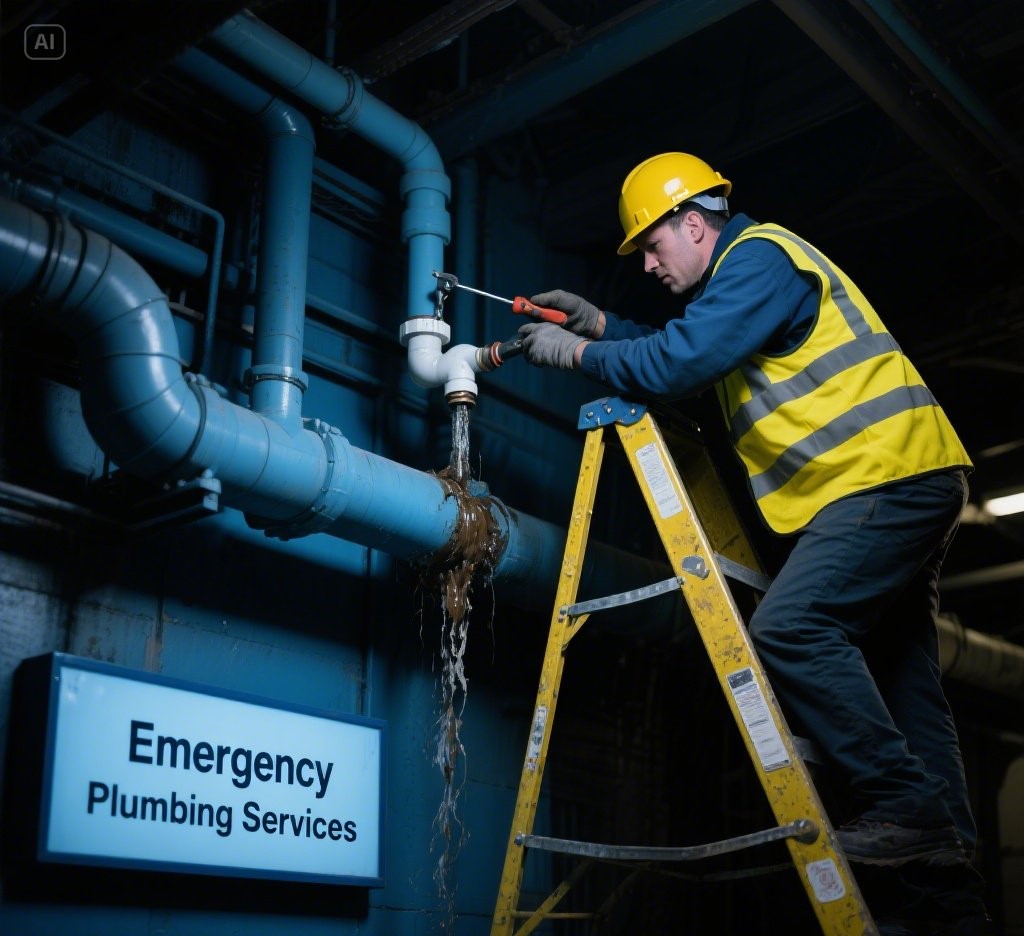
When Disaster Strikes: Navigating Emergency Plumbing Services in Singapore
Singapore, a bustling metropolis known for its immaculate infrastructure and high standards of living, rarely experiences disruptions to its essential services. Yet, beneath the gleaming facade of its skyscrapers and the orderly rows of HDB flats, an intricate network of pipes and drains works tirelessly to ensure the smooth flow of daily life. This unseen hero – the plumbing system – is often taken for granted until it decides to stage a dramatic rebellion. When a pipe bursts at 3 AM, a toilet overflows during a dinner party, or a water heater floods the bathroom, the tranquility of Singaporean homes is shattered, and the urgent need for emergency plumbing services becomes terrifyingly real.
In a city where space is at a premium and homes are often closely connected, a plumbing emergency is not just a personal inconvenience; it can quickly escalate into a community problem. Water damage can seep into neighboring units, mold can proliferate in the humid climate, and structural integrity can be compromised. This makes the availability of rapid, reliable, and professional emergency plumbing services not just a convenience, but an absolute necessity for every resident and property owner in Singapore.
This comprehensive guide delves into the world of emergency plumbing services in Singapore, exploring what constitutes an emergency, why 24/7 availability is crucial, what to do when disaster strikes, how to choose the right professional, and how to mitigate future risks.
Understanding the Urgency: What Constitutes a Plumbing Emergency?
Not every dripping tap or slow drain calls for an immediate, after-hours intervention. However, certain plumbing issues demand instant attention to prevent significant damage, health hazards, or severe disruption. Recognizing the difference is key to knowing when to call an emergency plumber.
Here are the most common types of plumbing emergencies encountered in Singaporean homes and businesses:
- Burst Pipes and Severe Leaks: This is arguably the most destructive plumbing emergency. A burst pipe can unleash gallons of water in minutes, causing extensive damage to floors, walls, furniture, and electrical systems. The danger is amplified in multi-story buildings where water can cascade through multiple units. Signs include a sudden drop in water pressure, visible water gushing from a pipe, or unexplained damp patches on walls or ceilings.
- Major Clogs and Overflowing Toilets/Drains: While a minor clog can wait, an overflowing toilet or a main drain blockage that causes sewage backup is a serious health hazard. Raw sewage contains harmful bacteria and pathogens, posing significant risks to occupants. Such blockages often indicate a deeper issue in the drainage system and require immediate professional intervention.
- No Water Supply: Imagine waking up to no water in your taps – no shower, no flushing, no cooking. While sometimes related to public utility issues (which you should check first), a sudden loss of water supply to your property can indicate a severe internal pipe blockage, a broken main, or an issue with your water meter. This brings daily life to a grinding halt.
- Water Heater Malfunctions (Leaks or No Hot Water): A leaking water heater can cause significant water damage and potentially create electrical hazards if water comes into contact with wiring. If it’s a gas water heater, there’s an added risk of gas leaks. While no hot water might seem less critical, it’s a major disruption, especially in homes with young children or elderly residents, and can sometimes be a precursor to a more serious problem.
- Sewer Line Backups: This is similar to a major drain clog but often indicates a problem with the main sewer line connecting your property to the municipal system. Signs include multiple drains backing up simultaneously, a strong sewage odor, or sewage bubbling up from drains. This is a severe health risk and requires immediate professional attention.
- Gas Leaks (related to gas water heaters or pipes): While often handled by gas technicians, if a plumber is working on a gas water heater and detects a leak, it becomes an absolute emergency. Gas leaks are extremely dangerous, leading to explosions or carbon monoxide poisoning. If you suspect a gas leak (smell of rotten eggs), evacuate immediately and call the gas company and emergency services.
The Critical Need for 24/7 Emergency Plumbing in Singapore
Singapore’s urban landscape and lifestyle amplify the need for round-the-clock plumbing support:
- Dense Living Environments: HDB flats and condominiums mean plumbing systems are interconnected. A problem in one unit can quickly affect others, leading to neighborly disputes and extensive property damage across multiple homes. Rapid response minimizes this spread.
- High Property Values: Singaporean properties are significant investments. Prompt action on a plumbing emergency can save homeowners tens of thousands of dollars in potential repair and restoration costs, preventing structural damage, mold growth, and devaluation.
- Health and Hygiene: Singapore places a high premium on public health and hygiene. Sewage backups or contaminated water supplies are intolerable and must be addressed immediately to prevent the spread of disease.
- Inconvenience and Disruption: A major plumbing issue can render parts of a home unusable, causing immense stress and disrupting work, school, and family routines. Emergency services aim to restore normalcy as quickly as possible.
- Tropical Climate: Singapore’s humid climate is a breeding ground for mold and mildew. Water damage, if not addressed quickly and thoroughly, can lead to pervasive mold growth, which is costly to remediate and poses health risks.
When Disaster Strikes: Your Immediate Action Plan
Panic is a natural reaction, but knowing what to do in the first few minutes of a plumbing emergency can significantly mitigate damage and ensure safety.
- Stay Calm and Assess the Situation: Take a deep breath. Identify the source of the problem as accurately as possible.
- Turn Off the Main Water Supply: This is the most crucial step for leaks and burst pipes. Locate your main water shut-off valve (usually near your water meter, in the kitchen/bathroom, or outside your unit in HDBs/condos). Turning it clockwise will stop the water flow to your entire property.
- Turn Off Electricity (if water is near electrical outlets/appliances): If water is spraying near electrical sockets, appliances, or light fixtures, switch off the main power supply at your circuit breaker to prevent electrocution and short circuits.
- Contain the Water: Use buckets, towels, mops, and anything else available to contain the water and prevent it from spreading. If possible, try to divert the water flow away from valuables and electrical items.
- Take Photos/Videos: Document the damage for insurance purposes.
- Contact an Emergency Plumber: Once the immediate crisis is contained and safety measures are in place, call a reputable 24/7 emergency plumbing service.
- Do NOT Attempt Complex Repairs: Unless you are a qualified plumber, attempting to fix a burst pipe or a complex blockage can worsen the situation, cause further damage, or injure yourself. Leave it to the professionals.
Key Attributes of a Reliable Emergency Plumber in Singapore
Choosing the right emergency plumbing partner is critical. Not all plumbers offer the same level of service, particularly during urgent situations. Look for these essential qualities:
- 24/7 Availability and Rapid Response Time: This is non-negotiable for emergencies. A good service will have dedicated teams on standby to respond swiftly, minimizing damage and inconvenience. In Singapore, a response time of 60-90 minutes is often expected, especially within the main island.
- Licensed and Certified Professionals: Ensure the plumbers are properly licensed and trained. In Singapore, while specific plumbing licenses are not always mandatory for general plumbing work, reputable companies employ qualified and experienced technicians who adhere to industry standards and safety regulations. Ask about their qualifications and experience.
- Transparent Pricing and Clear Quotations: Emergency services often come at a premium. A trustworthy plumber will provide a clear, upfront quotation before commencing work, explaining the breakdown of costs (call-out fee, labor, parts, emergency surcharge). Beware of services that are vague about pricing or demand payment before diagnosis.
- Advanced Tools and Technology: Modern plumbing problems require modern solutions. Reputable emergency plumbers utilize state-of-the-art equipment such as thermal imaging cameras for leak detection, CCTV pipe inspection cameras for internal drain diagnostics, hydro-jetting machines for stubborn clogs, and electronic leak detectors. This ensures accurate diagnosis and efficient repair.
- Comprehensive Range of Services: An emergency plumber should be equipped to handle a wide spectrum of issues, from burst pipes and severe clogs to water heater repairs and sewer line problems. They should not specialize so narrowly that they cannot address your specific emergency.
- Strong Customer Service and Communication: In a stressful situation, clear and reassuring communication is invaluable. The plumber should be professional, courteous, explain the problem in understandable terms, and keep you informed throughout the repair process.
- Insurance and Warranty: Ensure the plumbing company is insured. This protects you from liability in case of accidental damage to your property during the repair process. A reputable service will also offer a warranty on their workmanship and installed parts.
- Local Knowledge and Experience: Plumbers familiar with Singapore’s specific building codes, HDB regulations, and common plumbing systems (e.g., specific pipe materials, water pressure in high-rise buildings) will be more efficient and effective.
- Positive Reviews and Reputation: Check online reviews (Google, Facebook, local forums) and ask for recommendations. A company with a strong track record of positive customer experiences is a good indicator of reliability.
The Process of an Emergency Plumbing Service
Understanding what to expect when you call an emergency plumber can alleviate some anxiety:
- Initial Contact and Information Gathering: You’ll describe the emergency, its location, and any immediate actions you’ve taken (e.g., turning off water). The dispatcher will provide an estimated arrival time and potentially offer initial advice.
- On-Site Arrival and Diagnosis: The plumber will arrive, assess the situation, locate the source of the problem, and use their tools to diagnose the underlying cause.
- Explanation and Quotation: The plumber will explain the problem, the necessary repairs, and provide a detailed quotation for the work. They should answer any questions you have about the scope and cost.
- Repair and Resolution: Once you approve the quote, the plumber will proceed with the repair. This might involve replacing a section of pipe, clearing a stubborn blockage, repairing a water heater, or installing new components.
- Testing and Cleanup: After the repair, the plumber will thoroughly test the system to ensure the problem is resolved and there are no new leaks. They should also clean up the work area, removing debris and ensuring the space is left tidy.
- Post-Service Advice: The plumber might offer advice on preventative measures or recommend future maintenance to avoid similar emergencies.
- Payment and Warranty: You’ll make the payment, and the plumber should provide an invoice and details of any warranty on their work.
Cost Considerations for Emergency Plumbing in Singapore
The cost of emergency plumbing services in Singapore can vary significantly based on several factors:
- Type and Severity of the Emergency: A simple drain clog will cost less than locating and repairing a hidden burst pipe or replacing a section of a main sewer line.
- Time of Day/Night: Emergency call-out fees for after-hours, weekends, and public holidays are typically higher due to the premium placed on immediate availability.
- Labor Costs: This includes the plumber’s hourly rate and the complexity of the job.
- Parts and Materials: The cost of replacement pipes, fittings, water heater components, or other materials will be added.
- Specialized Equipment: If the job requires advanced tools like CCTV cameras or hydro-jetting, these might incur additional charges.
- Location: While less variable within Singapore, some companies might have slight differences in pricing based on the district.
It’s crucial to remember that while emergency plumbing might seem expensive in the moment, the cost of delaying repairs can be far greater. Unaddressed water damage can lead to structural decay, extensive mold remediation, replacement of flooring and furniture, and even electrical hazards – all of which can dwarf the initial plumbing repair cost. Always get a clear, itemized quote before work begins.
Beyond the Emergency: Prevention and Maintenance
While emergencies are unpredictable, many can be prevented or their impact minimized through proactive measures:
- Know Your Main Water Shut-Off Valve: Everyone in the household should know its location and how to operate it. Practice turning it off and on.
- Regular Visual Inspections: Periodically check exposed pipes, under sinks, around water heaters, and behind toilets for any signs of leaks, corrosion, or dampness.
- Mind What Goes Down the Drain: Avoid flushing anything other than human waste and toilet paper. Grease, coffee grounds, hair, and non-biodegradable wipes are common culprits for clogs.
- Address Minor Issues Promptly: Don’t ignore a dripping faucet or a slow drain. These small problems can escalate into larger, more costly emergencies if left unattended.
- Consider Professional Maintenance: Especially for older properties or complex systems, consider a periodic professional plumbing inspection. Plumbers can identify potential weaknesses, clear early blockages, and service water heaters before they fail.
- Insulate Pipes (if applicable): While less critical in Singapore’s warm climate, insulating pipes can protect against minor temperature fluctuations and reduce condensation.
- Water Pressure Check: If you notice unusually high water pressure, it can put stress on pipes and fixtures. A plumber can install a pressure reducing valve if needed.
Choosing Your Go-To Emergency Plumbing Partner in Singapore
Don’t wait for a crisis to find a reliable emergency plumber. Be proactive:
- Research in Advance: Look up reputable plumbing services in Singapore, read reviews, and compile a shortlist.
- Ask for Recommendations: Friends, family, or neighbors in Singapore can offer valuable insights.
- Verify Credentials: Ensure they are licensed and have a good standing.
- Clarify Emergency Procedures and Pricing: Understand their call-out fees, response times, and how they handle after-hours work.
- Save Contact Information: Keep the number of your chosen emergency plumber readily accessible, perhaps programmed into your phone or posted on your fridge.
Conclusion
Plumbing emergencies are an unavoidable part of homeownership and property management. In a dense, modern city like Singapore, their potential for disruption and damage is magnified. However, with the right preparation and the knowledge of how to access prompt, professional emergency plumbing services, residents can face these unexpected challenges with confidence.
By understanding what constitutes an emergency, taking immediate preventative steps, and having a trusted 24/7 plumbing partner on speed dial, Singaporeans can ensure that when disaster strikes, it’s quickly contained and resolved, allowing life’s essential flows to return to normal with minimal fuss and maximum peace of mind. Don’t let a plumbing nightmare turn into a catastrophe – be prepared, be informed, and choose your emergency plumber wisely.